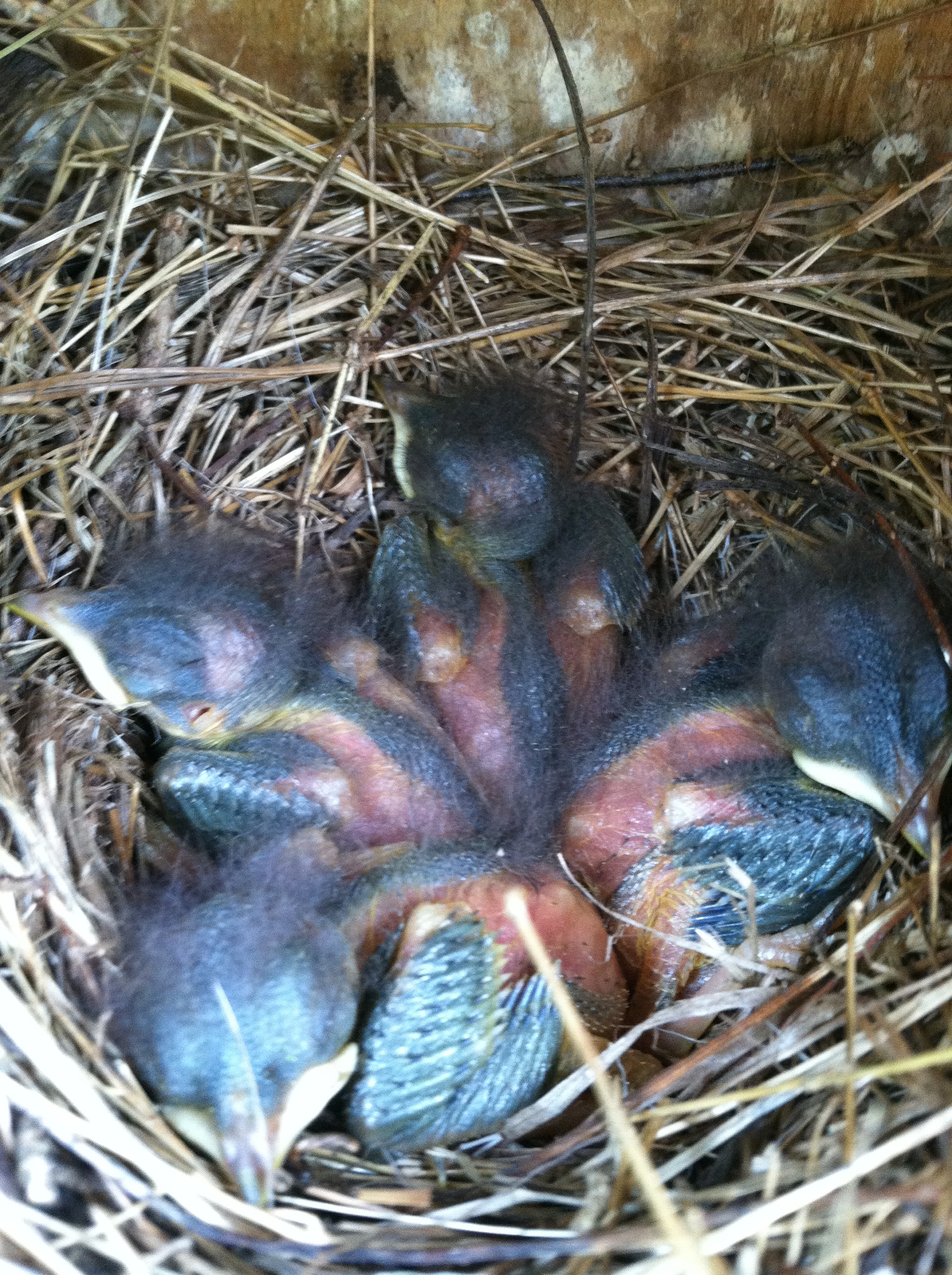
I monitor bluebird boxes at a nearby state park, and today I had three boxes with a total of thirteen nestlings, all about a week to ten days old. It must have been naptime this afternoon, because they were all sound asleep!
Camas
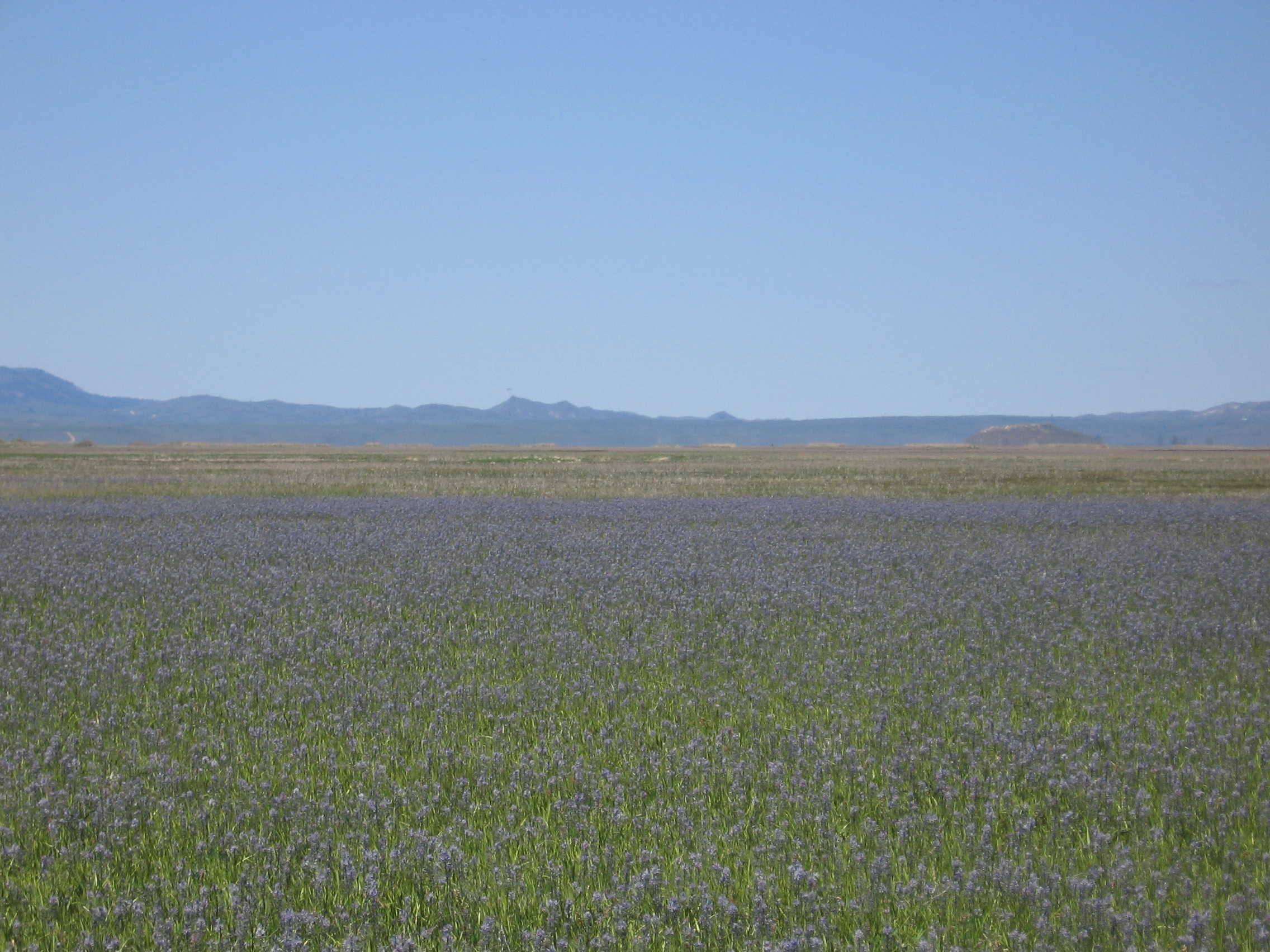
Camas is one of my favorite native plants of Idaho. It is not only beautiful but its roots were a major food source for native people before white settlers arrived. Here are two pictures. One is from my yard where we have put a few camas plants. They require a lot of water, so we are very careful with them. The second picture is a field of camas on what is called the Camas Prairie. My picture doesn’t really do justice to them. From a distance, they look like a sea of blue. Leslie
New Colorado Pictures
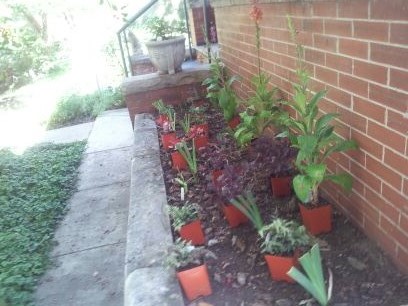
These are the new plants we are putting in at the front of the house. The cherry tree we already had, but it is loaded with cherries this year for the first time, apparently because of our squirrels’ having a very bad year last year and being quite diminished this year – they usually take all the cherries in the first couple of days.
It took both Robin and our computer technician to help me get this up here. We’ll see how I do.
Bumblebee on Swamp Milkweed
My swamp milkweed has been quite a magnet for bumblebees! Here is a video I took yesterday. It sure makes you appreciate the saying “Busy as a bee”, doesn’t it?
Belle Contemplating the Universe
A picture of Belle
This is one of my favorite pictures of my yellow lab “Belle” sitting in “her” chair in our backyard one early morning. I was sitting on the back stoop and took this picture with my old cell phone. I call it “Belle Contemplating the Universe.” Later my sisters framed a copy of this picture which is now on display in my dining room. — Robin
From Weeds to Bees with Beetles In-between
After posting the picture of my magnolia, I stumbled upon an interesting article in my newspaper. A reader was asking about the beetles in her magnolia blossoms and wondered why they were there and if they were harmful. The gardening guru answered by saying that magnolias are among the most primitive plants found in today’s landscapes. He said dinosaurs probably enjoyed their shade! They developed their flowers long before bees and butterflies evolved, and so grew to attract a different kind of pollinator….the beetle! Beetles love to eat the magnolia pollen. Then they visit neighboring magnolia trees, accomplishing the pollination vital for making seeds. Who knew? From now on I’ll have a higher esteem for the lowly beetle.
Of Bees and Beans
We plant a vegetable garden in our backyard every year with peas, lettuce, onions, green beans, zucchini, yellow squash, pattypan squash, cucumbers, various tomatoes, and peppers. Right now, the beans are coming in–Beans R Us!! While picking all these beans, I have been amazed at all the tiny, native bees that are all over the plants. I have never really thought about how all those bean flowers got pollinated to make all those beans, but now I know! It’s not the honeybees that do it, it’s the tiny, almost invisible native bees that do the work! I think these bees I’m seeing are sweat bees, barely 1/4 inch in length, and they are everywhere!
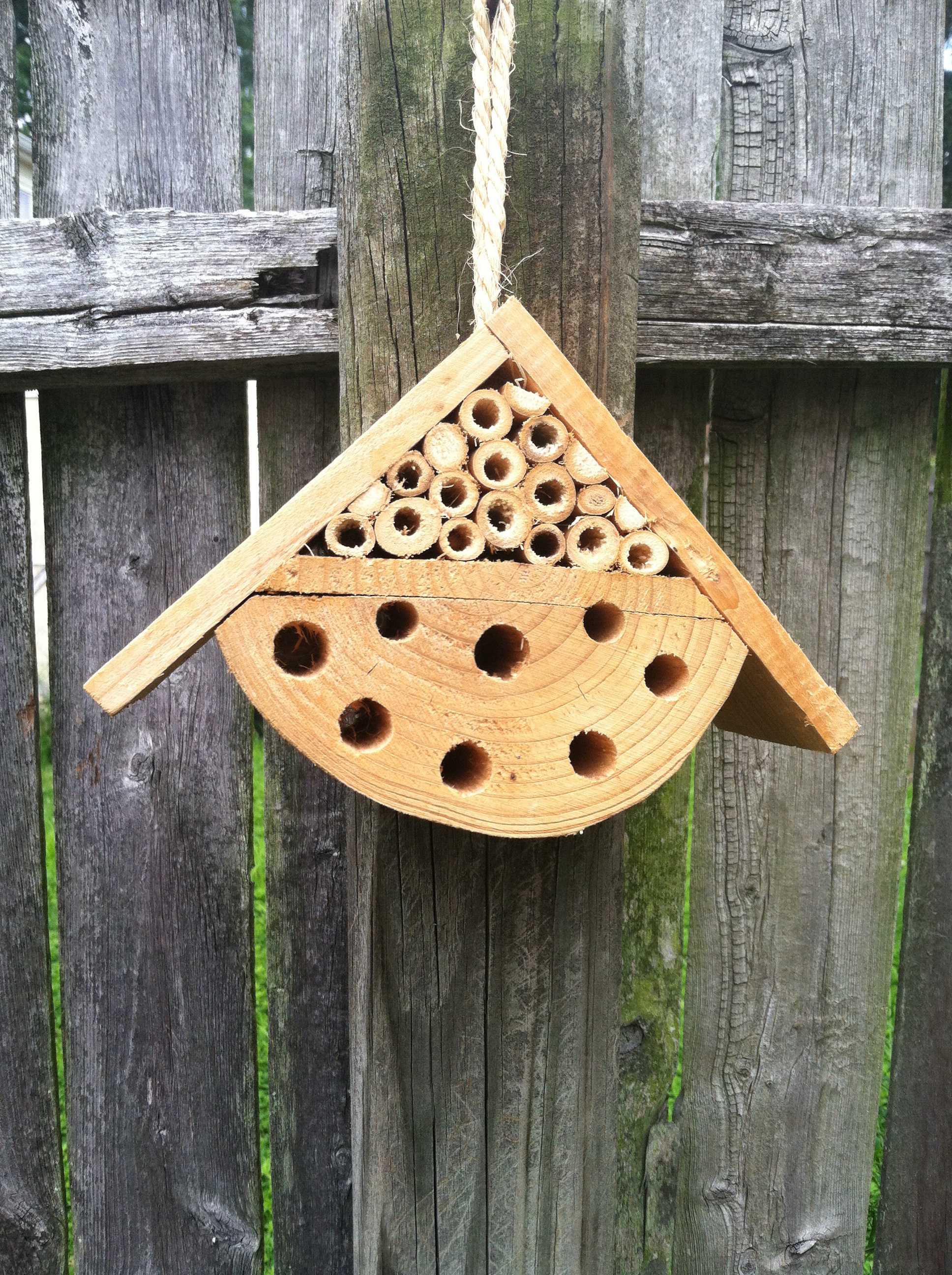
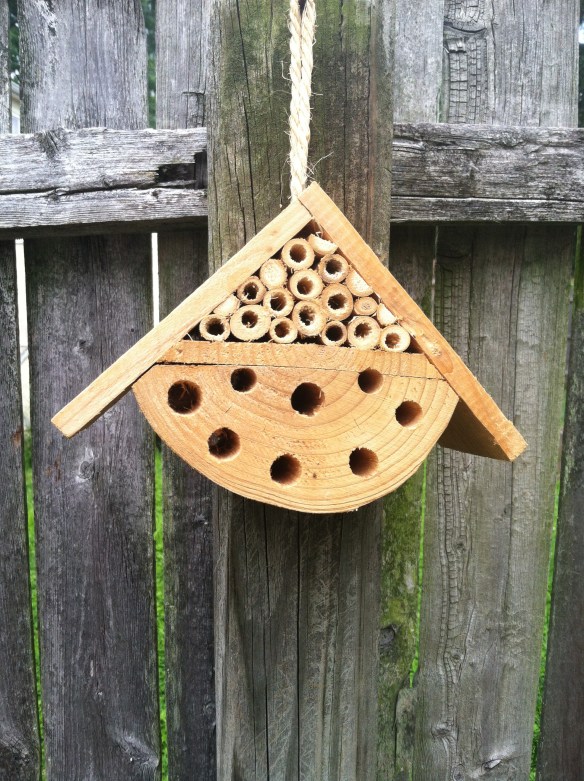
Back in June, I purchased a mason bee habitat and hung it up in the garden. Mason bees are another type of native bee that is a major pollinator of fruit crops in the spring. I hoped to attract some mason bees to my habitat so they would lay their eggs in it and emerge next spring to pollinate my garden, but I think I may be too late this year. However, someone has moved into at least one of the holes! I have no idea what kind of bee it is, but I’m pleased that someone thought my little habitat was good enough!
So thank you, native bees, for our abundant bean crop! I may not feel so grateful in a few weeks when I’m sick to death of beans, beans, beans, but right now it’s wonderful!
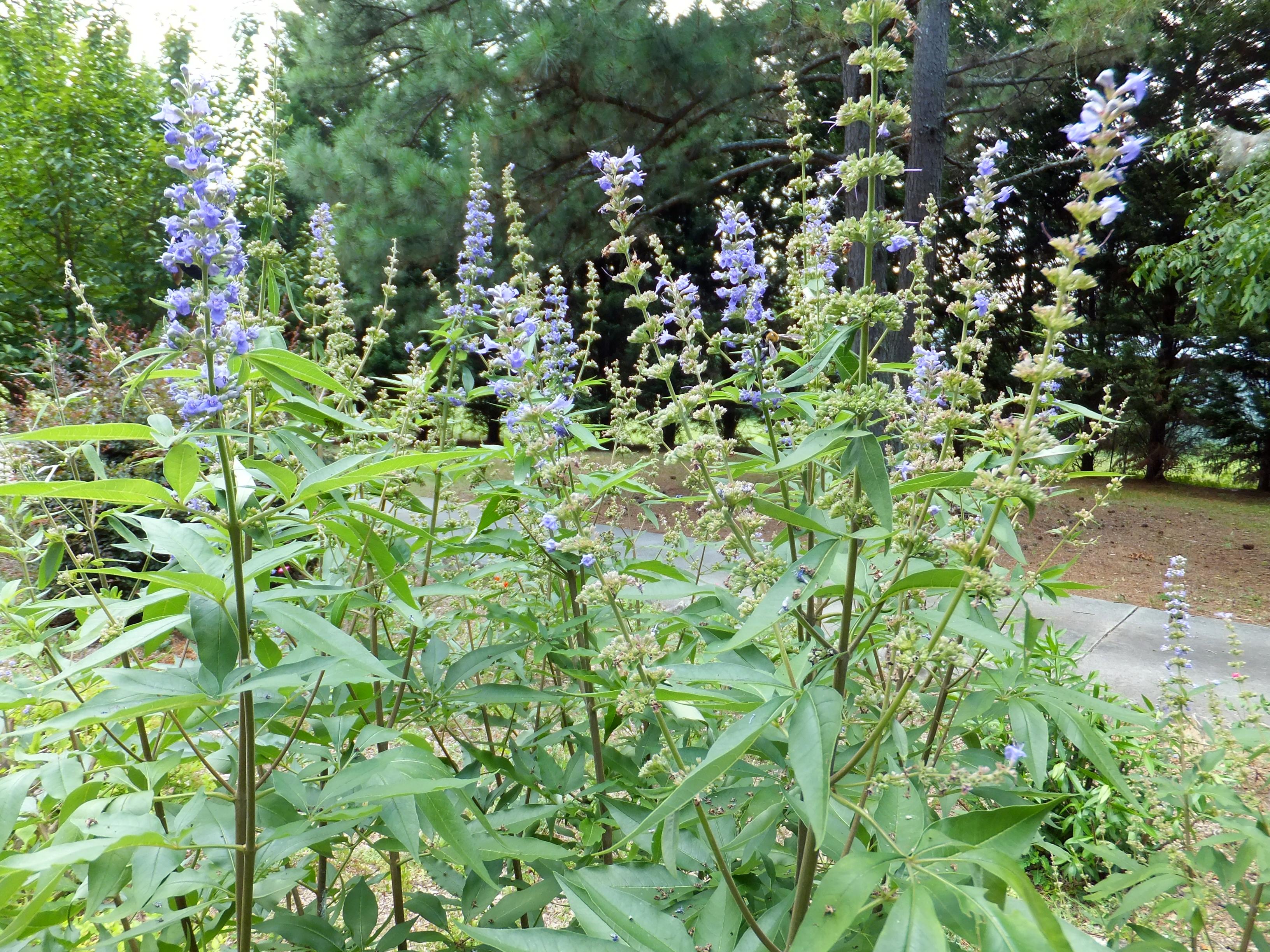
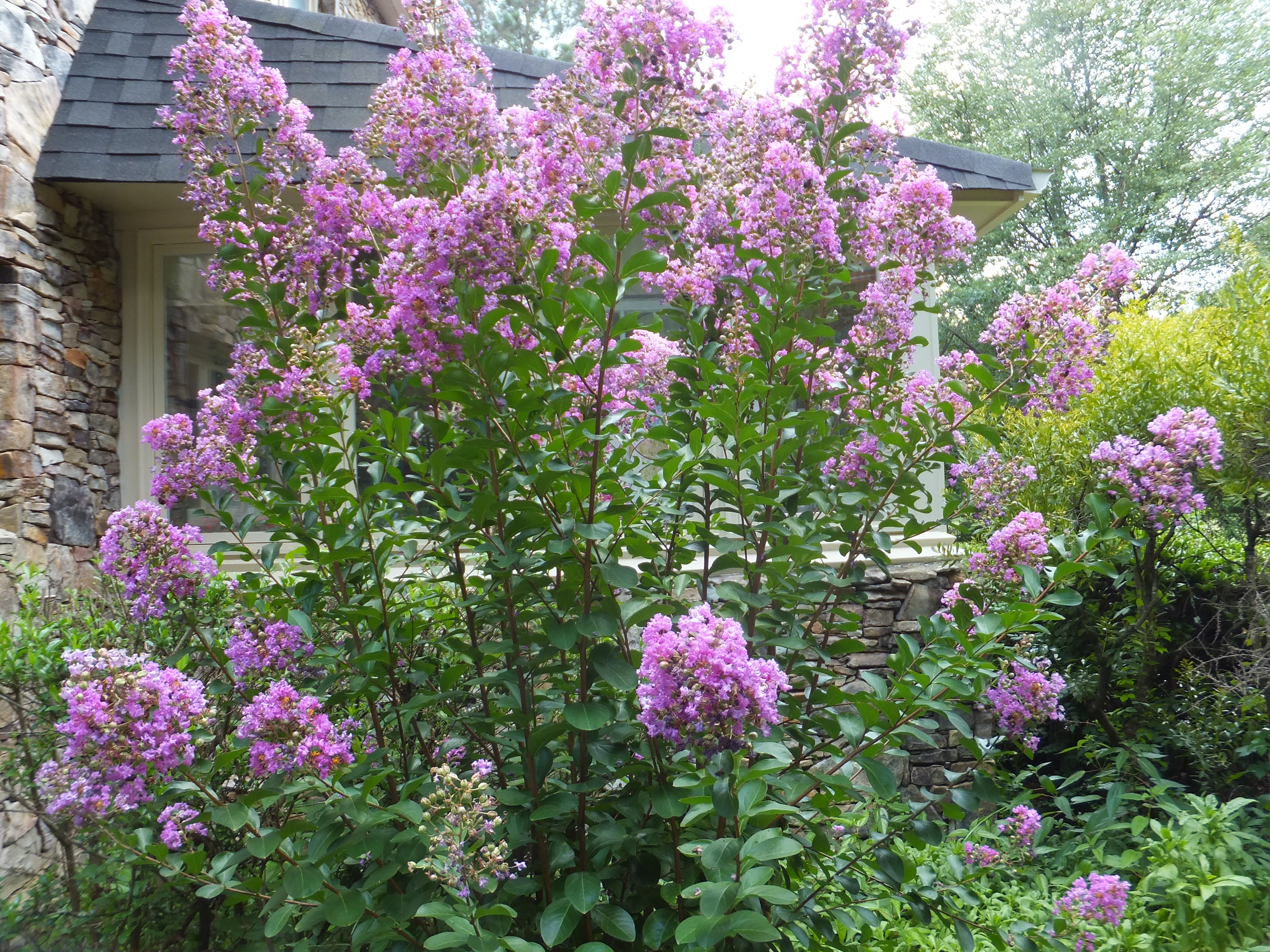
These two bushes are not native, but the bees don’t seem to mind. One is vitex, I love blues and purples in a garden, the other spirea.
Southern Flowers
Bees on Weeds
The more bees that visit my garden, the more I feel that my gardening efforts are successful.
Here are some of my “better” pictures of flowers being visited by bees. (In some cases, you may have to look pretty closely to spot the bee.)
I love the species name of “Bombus” for the bumblebees. Somehow nothing else would be so appropriate.
Closer view of bumblebee on coneflower:
Bombus again:
According to the book Pollinators of Native Plants by Heather Holm, wild bergamot is one of the best forage plants for bumblebees.
Here’s a video where you can see some “bee action” on the Monarda fistulosa (wild bergamot).