Some Old Friends

Finally some old friends are showing up.

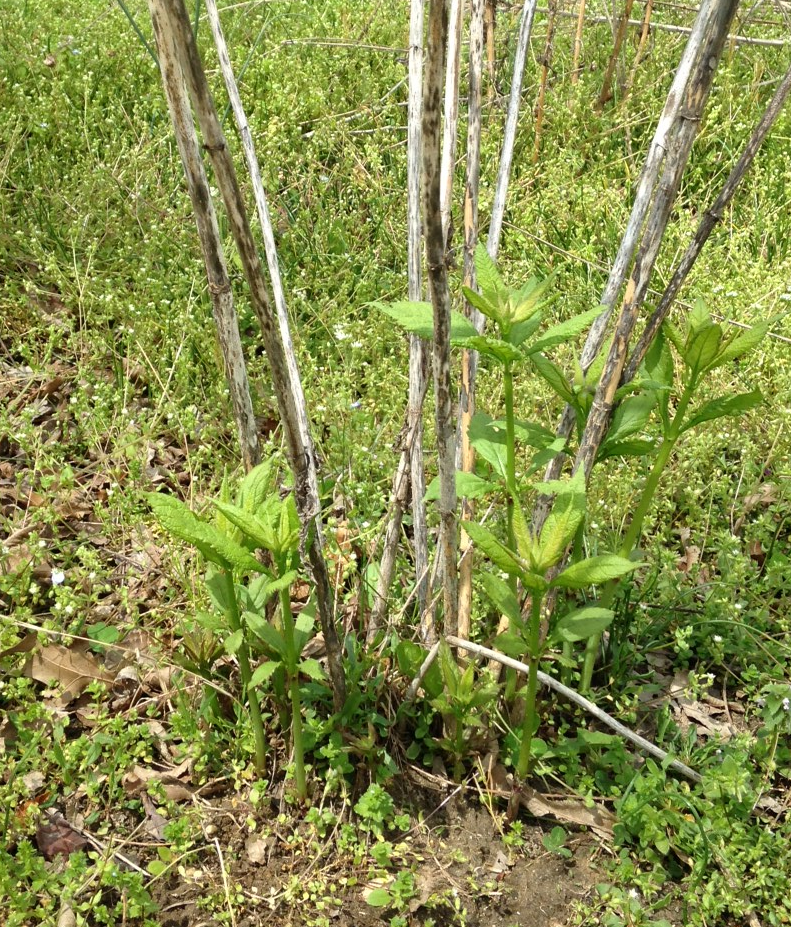
My Sweet Joe Pye Weed has put in an appearance:

Sweet Joe Pye Weed Starting to Come Up

Sweet Joe Pye Weed Starting to Come Up

My common milkweed is suddenly popping up.  As I recall by the end of last year my original one plant had transmogrified into at least 8 plants. I wonder how many there will be this spring.

Common Milkweed Coming Up

Common Milkweed Coming Up

The Penstemon is putting in an appearance:

Penstemon Coming Up

Penstemon Coming Up

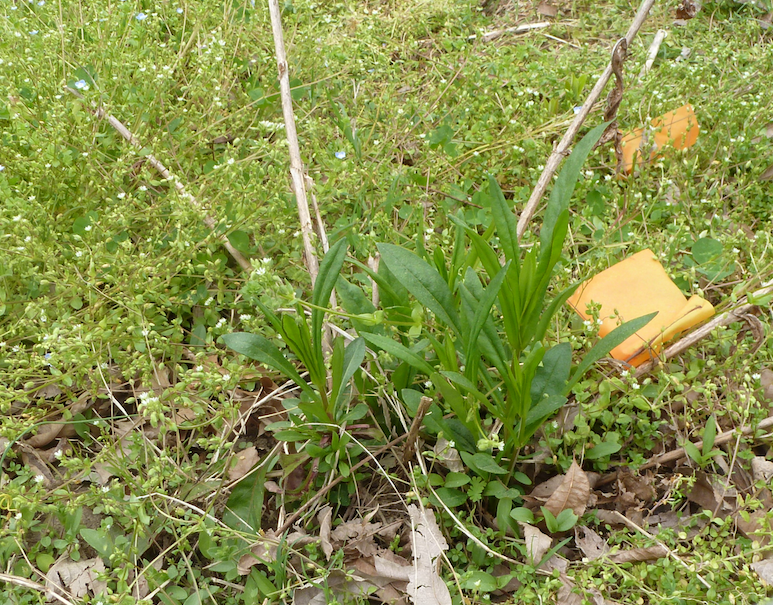
I have several plants that I think may be Butterfly Weed (Asclepias tuberosa).  I’m not positive as I think it is a little early for Butterfly Weed to be this far along.  But at this point I don’t know what else it might be.

Butterfly Weed Coming Up?

Butterfly Weed Coming Up?

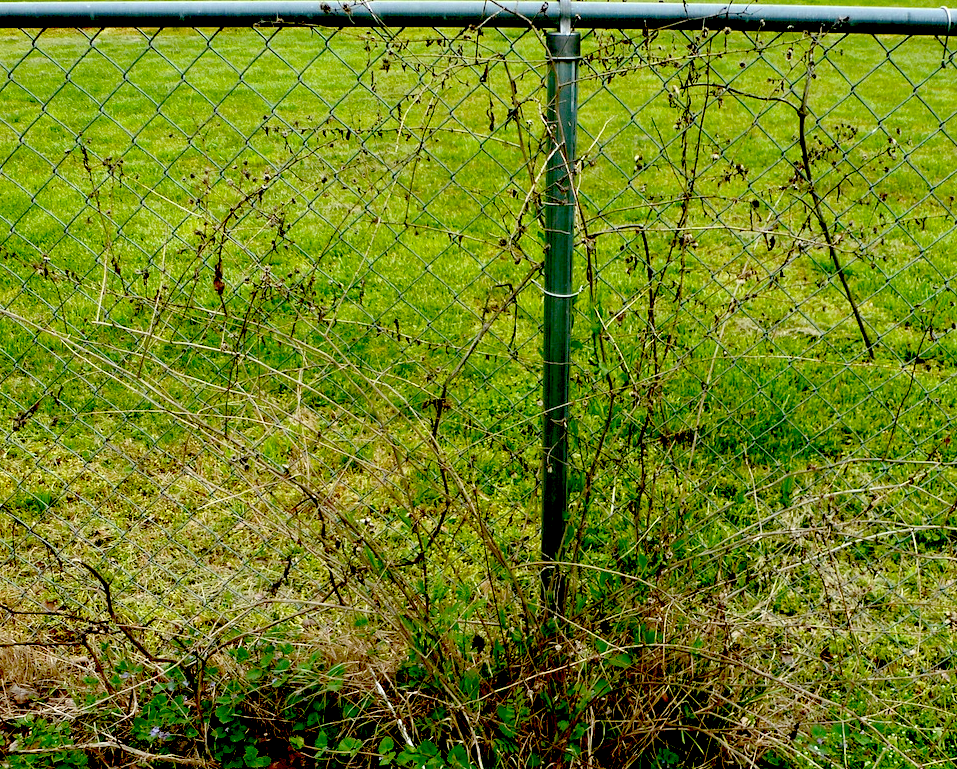
This is the way my Climbing Aster (Aster carolinianus) looks from a distance.  Old dead wood, right?

Climbing Aster from a Distance 04/19/15

Climbing Aster from a Distance 04/19/15

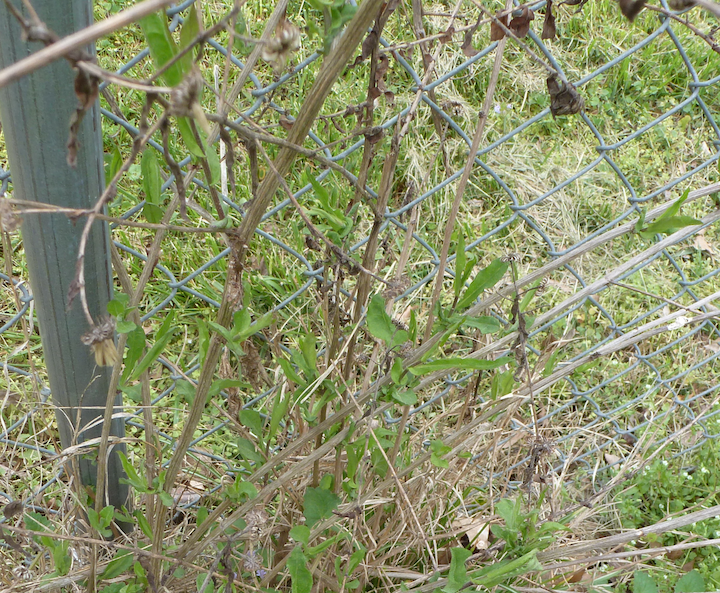
Last year I was “cleaning up” by cutting away this old “dead” stuff, when I realized there were green leaves growing out of it!  This year I know better.  Here’s a view closer up.  If you look closely you can see that there are green leaves growing out of the brown stems.

Climbing Aster Up Close

Climbing Aster Up Close

Finally, I don’t know that these would classify as “old friends” but the inch worms are back this year!  I keep discovering them crawling on the back of my neck after I’ve been out in the yard.  Sorry, they are too small for me to photograph.


Early spring in Delaware

As with a good part of the east coast, spring has been very slow to come this year.  I have been anxiously watching my yard for signs of survival after our harsh winter, and now I’m beginning to see some progress.  Here are some pictures I took on April 9, 2015.

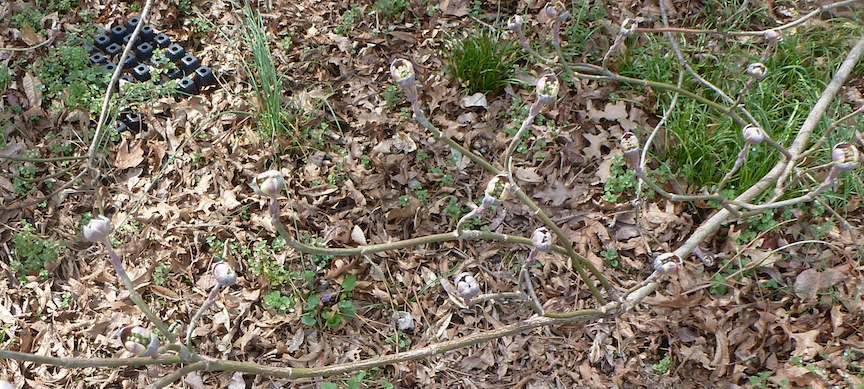
Serviceberry buds are getting close to opening

Serviceberry buds are getting close to opening

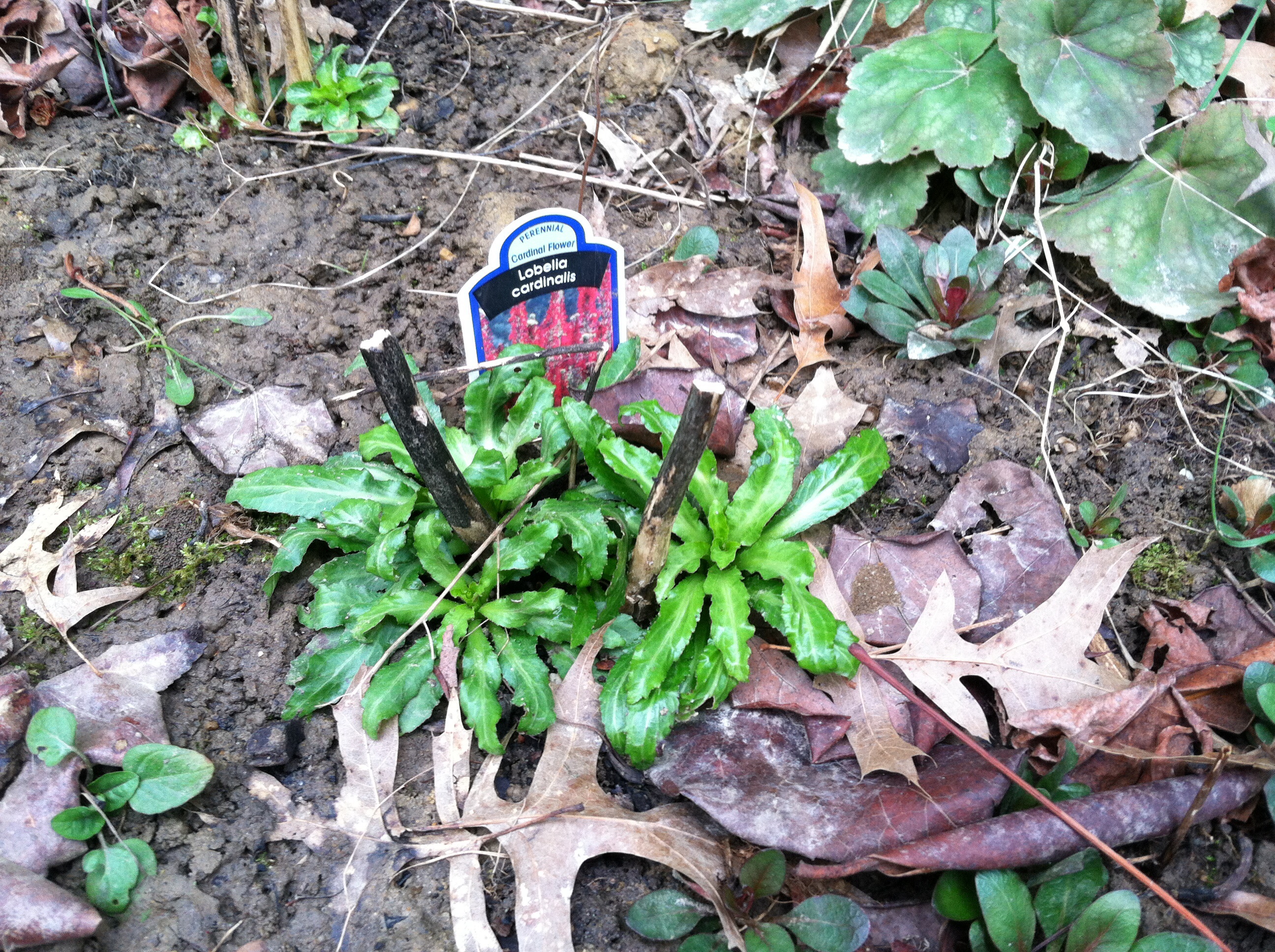
Cardinal flower and blue lobelia showing growth

Cardinal flower and blue lobelia showing growth

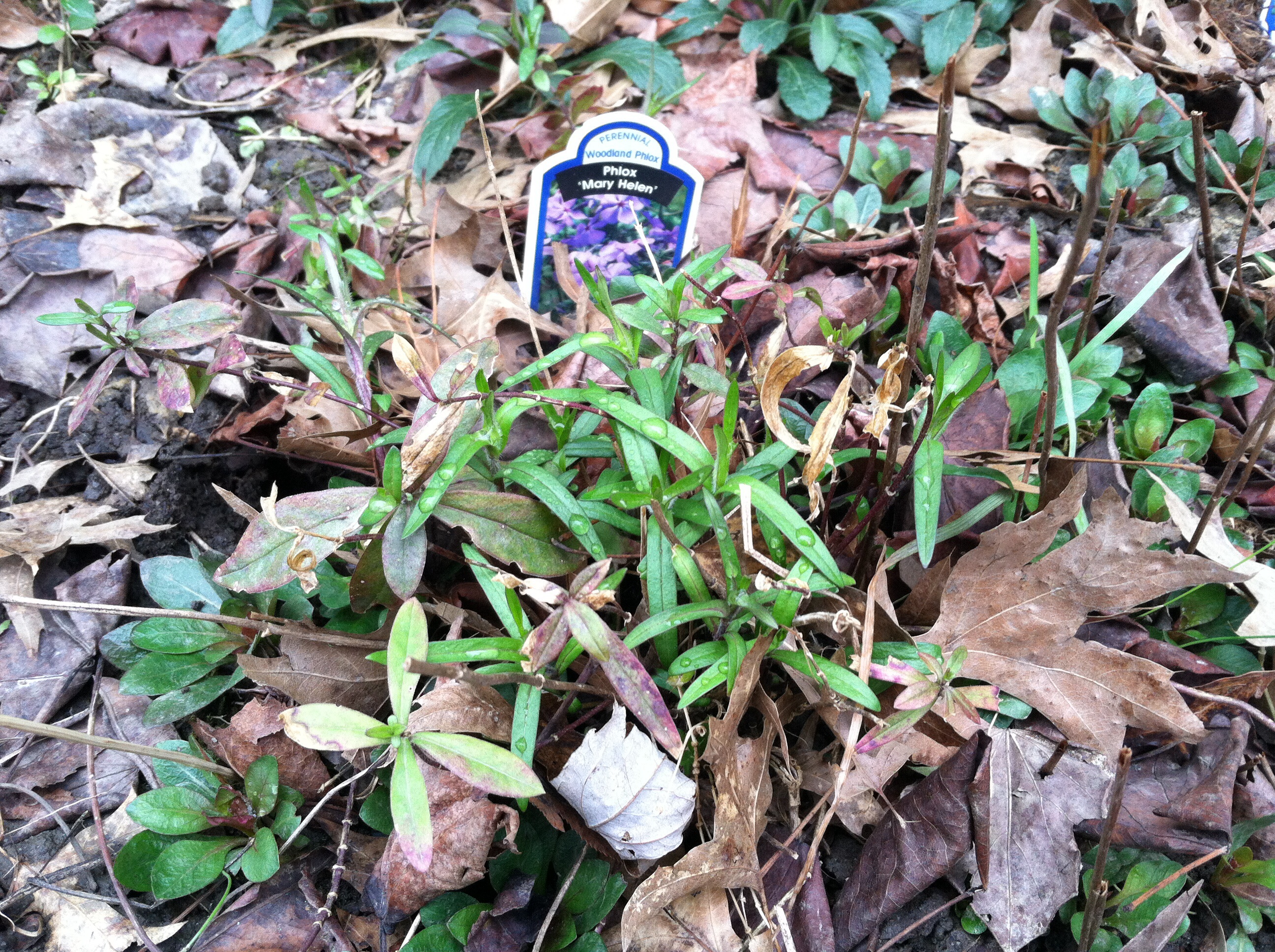
Blue lobelia

Blue lobelia

Greek valerian

Greek valerian

Dwarf goldenrod

Dwarf goldenrod

Bee balm coming back and spreading!

Bee balm coming back and spreading!

Native honeysuckle

Native honeysuckle

Hyssop

Hyssop

Native Flower Gardening in Virginia — My “New” Philosophy

I’ve decided I’m going to have a new native garden philosophy!  I’m going to give up on weeding!  Or at least I’m not going to try to dig up wire grass anymore.  To dig it up requires using a spading fork and this basically destroys my garden.  Here’s a photo of where I dug up wire grass last fall:

Where Wire Grass Dug Up

Where Wire Grass Has Been Dug Up

It’s not worth it.

I know of more than one native flower garden in nearby City parks that has been abandoned because the gardener couldn’t control the wire grass.

I’ve found that wire grass is relatively unsuccessful in the vicinity of my tall flowers such as Monarda fistulosa, sweet Joe Pye Weed, goldenrod and green-headed coneflower.

My new philosophy is going to be to plant as many tall-ish flowers as close together as possible and ignore the wire grass.  I’d like to say I’m aiming for a Flower-rich Meadow but this is too euphemistic!  I’m going to have to say I’m aiming for a Flower-rich Mess and if the bees like it, then I like it.

In the interests of truth-in-advertising, here’s a photo of what my flower-rich mess looks like right now.  (Not exactly flower-rich right now but hopefully there will be a big transformation over the next few months.)

Current State of Flower-rich Mess

Current State of Flower-rich Mess

Signs of Spring in Virginia

Here are some pictures of early springtime in Virginia.

Serviceberry Coming into Bloom Photographed 04/03/15

Serviceberry Coming into Bloom Photographed 04/03/15

Monarda fistulosa Photographed 03/15/15

Monarda fistulosa Coming Up Photographed 03/24/15

Redbud Flower Buds Photographed 03/22/15

Redbud Flower Buds Photographed 03/22/15

Spicebush  in Bloom Photographed 03/28/15

Spicebush in Bloom Photographed 03/28/15

Dogwood Flowers Opening Up

Dogwood Flowers Opening Up Photographed 04/03/15

Native Honeysuckle Leafing Out Photographed 03/24/15

Native Honeysuckle Leafing Out Photographed 03/24/15


Book Review: A Sting in the Tale: My Adventures with Bumblebees by Dave Goulson

In the preface, the author (now a Professor of Biology at the University of Sussex) dates his interest in bumblebees to when he was 7 years old and moved with his family to a little village in Shropshire. The house had a garden area and was opposite open countryside. For unknown reasons he was fascinated by all living creatures. (His father wasn’t interested in flowers or bees — although he allowed his son to plant whatever would attract bees or butterflies — and his mother was a sports teacher with a dislike of “creepy crawlies.”) The only adult he remembers encouraging his interest was a primary school teacher who loved to take her students out looking for “bugs or beasts.” She showed them how to identify trees and how to catch beetles and was especially “keen on pond-dipping.” His parents did allow him to acquire all the nature books he wanted. He became an avid collector of both living creatures and preserved specimens.   A seminal moment in his life was when he received a catalog from Watkins and Doncaster, “suppliers of entomological equipment.” Not only was there a fascinating array of equipment available but he realized “there were lots of other people out there like me.”

As we move into the book, we learn that when the author was born in 1965 the short-haired bumblebee was still quite widespread in the UK but by 1984 when the author entered graduate school it was nearly extinct. The cause of this loss, and that of other bee species as well, can be assigned to changes in farming methods. One hundred years ago farming was not mechanized. Farmers depended on horses for power and horses eat clover, so most farmers grew clover which bees also love. Most farmers had hay meadows, and artificial fertilizers weren’t available. Wild flowers, particularly those with symbiotic root bacteria that could trap nitrogen from the air (e.g. clovers) flourished in the low-nutrient soils of the hay meadows. Crops were grown in rotation. There were no pesticides. Fast forward a few years and horses were replaced by the internal combustion engine. The booming oil industry made it possible to synthesize cheap nitrogen-based fertilizers. Crop rotation and clover leys were abandoned. When hay fields are fertilized, the grass grows much faster and flowers cannot compete. With the advent of World War II, the changes in farming were vastly accelerated as every effort was made to feed Great Britain’s population from its own agriculture.  DDT became readily available. Organophosphate chemicals (nerve gases) developed during the war became available to farmers after the war to combat insect pests. Food rationing in Great Britain ended in 1954 but farmers continued to receive financial incentives to increase production until the 1990’s. By then almost all the flower-rich habitats and 98% of lowland hay meadows in the UK had disappeared. By the late 1980s it was becoming obvious that most of the UK’s wildlife was in rapid decline and what was being done to the countryside might not be sustainable.   As stated by the author: “Farms need flowers to support the bees that pollinate our crops, and they need predatory beetles, wasps and flies to eat the pests that eat the crops.” So now schemes are being introduced to pay farmers for encouraging wildlife on their land. Farmers can get funding to re-sow the wild flower meadows and replant the hedges they were previously paid to remove. The author feels that the UK may have turned a corner but recovery is slow.

Luckily, in the late 1800’s some species of British bees were transplanted to New Zealand, which subsequently was much less impacted by World War II. The author describes how efforts are now underway to bring these bees back to their native land to help restore the UK’s bee populations now that their habitat is slowly being restored.

Much of this book is devoted to the author’s and his graduate students’ studies of bee biology and behavior and their efforts to restore bee populations in the UK. How do you figure out how far a given bee can fly in order to forage and get back home again?

Perhaps my favorite chapter in the book is the one about his purchase of an old farm site in France. Land in France was much less expensive than in Great Britain. To turn an abandoned piece of over-fertilized farmland into a flower-rich meadow, the excess fertility must be removed so that the wildflowers can once again compete with the grasses. The slowest but least expensive way to do this is to cut and remove the hay each year, thus resulting in a slow decline in fertility. Very slowly, over the last decade, his meadows have begun to fill with flowers.   As the flowers have returned, so have the bees and other pollinators. A good question is where do the flower seeds for this to occur come from? Some seeds are wind-dispersed. Some, such as cowslips, have survived along the edge of the track to the farm and slowly spread into the meadow, a few feet each year.

Among the fascinating pieces of information from this chapter — over the past 15 years, the author has gathered records as to which bumblebees feed on which flowers. It seems that some bee species get nearly all their pollen from legumes. The author sent pollen samples off for determination of their nutritional composition. It turns out that legume pollen is unusually rich in “essential amino acids” which animals cannot synthesize for themselves. Ancient hay meadows are full of clovers, trefoils, vetches, meddicks and melilots, able to outcompete grasses because of their symbiotic root bacteria which enable them to “fix” nitrogen from the air. In the words of the author, “since pollen is the only source of protein available to bees, it makes sense for them to selectively visit the flowers that provide the richest source.”

As mentioned  in the book, in 2006 Professor Goulson founded the Bumblebee Conservation Trust.   When this book went to press, there were over 8,000 paid-up members “creating flower-rich habitat all across Britain.” Since reading this book, I have “googled” the phrase “flower-rich meadows.” Virtually every link that comes up is out of the UK. It seems that the British are indeed taking the need for pollinator habitat seriously. Are we here in the U.S. doing anything similar?

The author has a sequel coming out in April called A Buzz in the Meadow: The Natural History of a French Farm. Amazon is supposed to get it to me precisely on April 22, 2015. I can’t wait.

Robin
The Weed Garden in the Fall

I thought I’d walk around my garden and take a good look at what it looks like now in late October.  I thought the spent flowers and plants might have their own kind of beauty (or not).  For this tour I’m including my whole yard, not just the official “garden.”

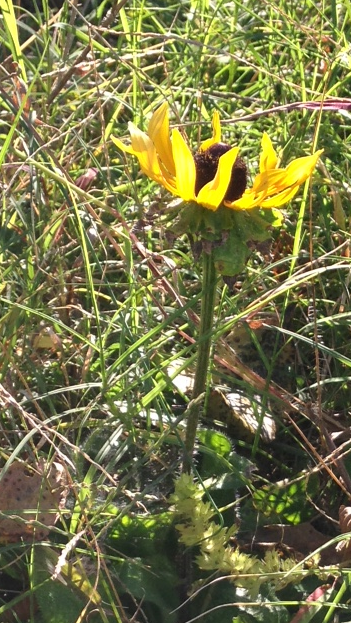
First there actually are a very few “spring” flowers still in bloom.  A couple of late black-eyed Susans and some daisy fleabane:

 Another late Black Eyed Susandaisy fleabane

But most plants in the garden are long past blooming.

The green-headed coneflower is long past its glory days.  But the green leaves at the bottom show it’s still alive and waiting for spring to come again.

Green-headed Coneflower

Green-headed Coneflower

The goldenrod has gone to seed.

Goldenrod Gone to Seed

Goldenrod Gone to Seed

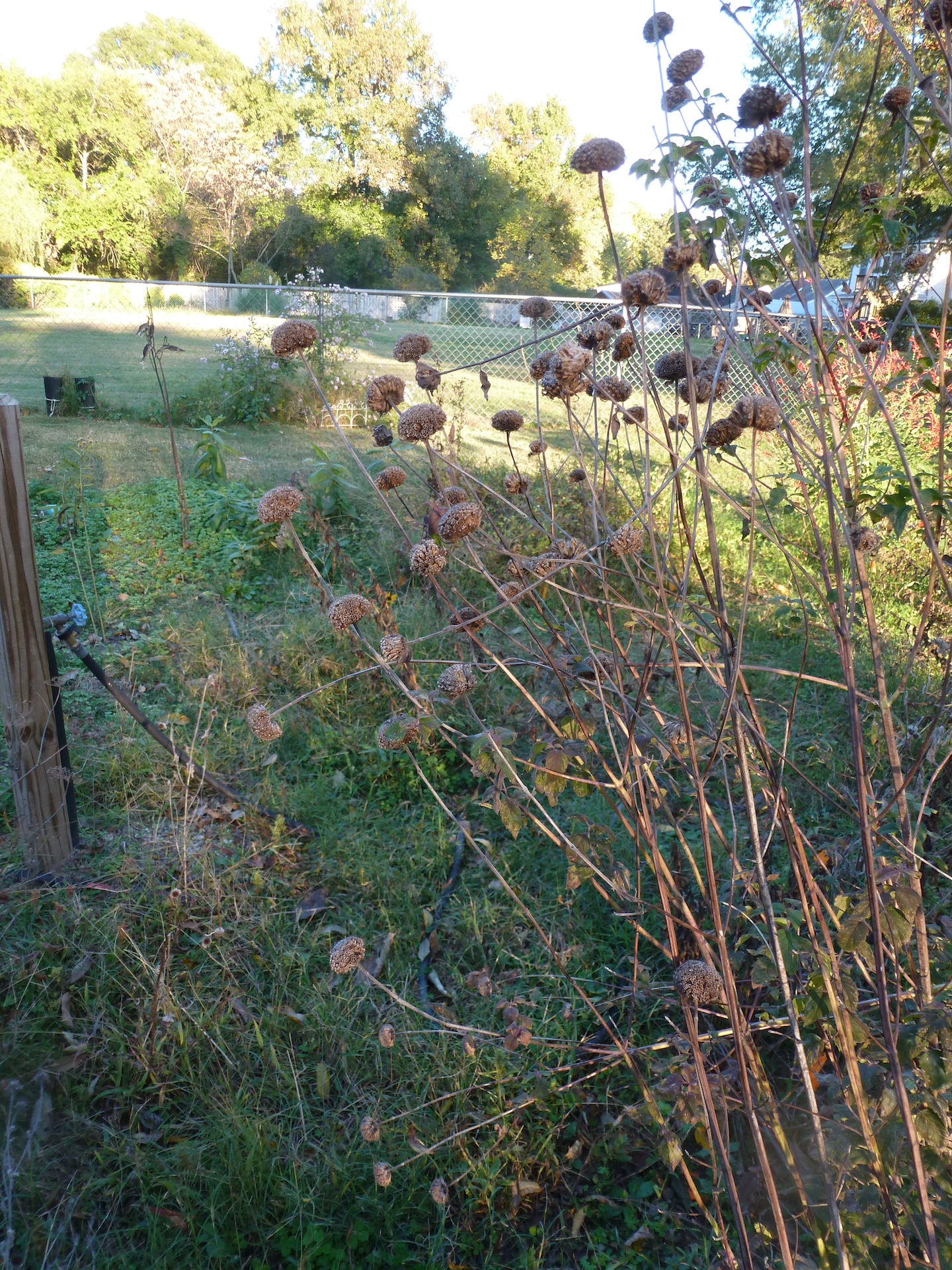
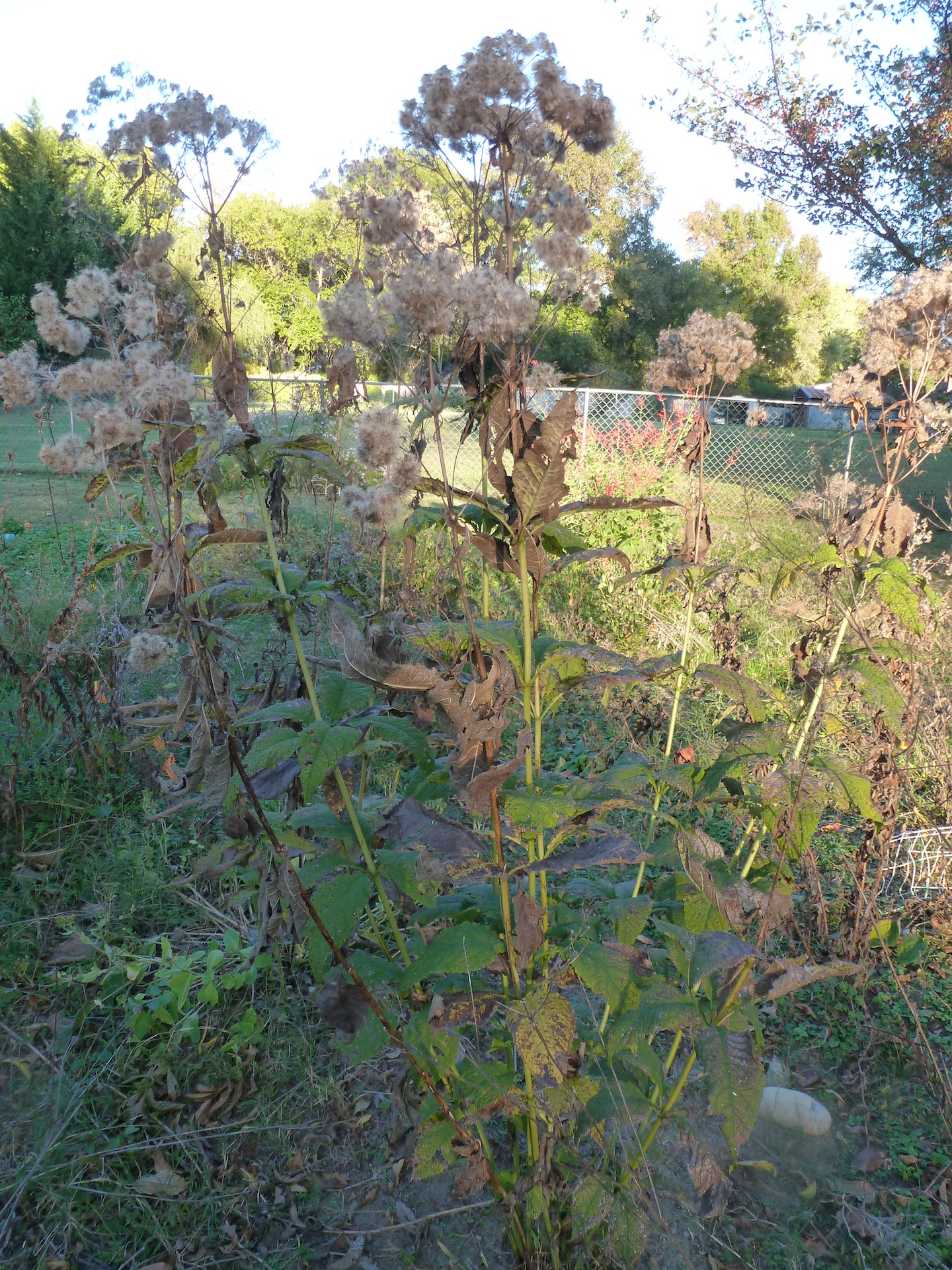
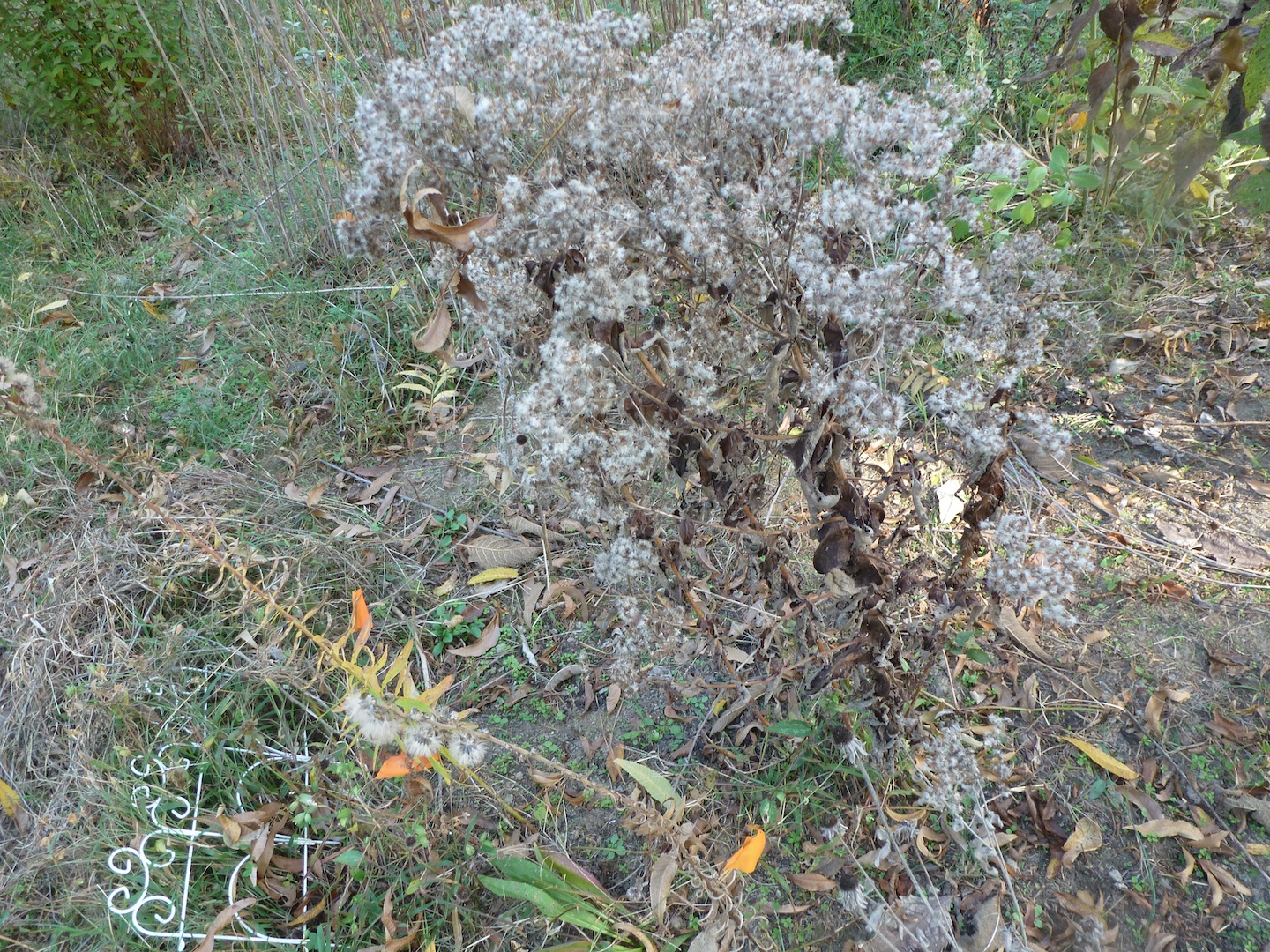
The Monarda fistulosa and sweet joe pye weed are long past blooming but still have some green leaves.

Monarda Fistulosa

Monarda Fistulosa

Sweet Joe Pye Weed

Sweet Joe Pye Weed

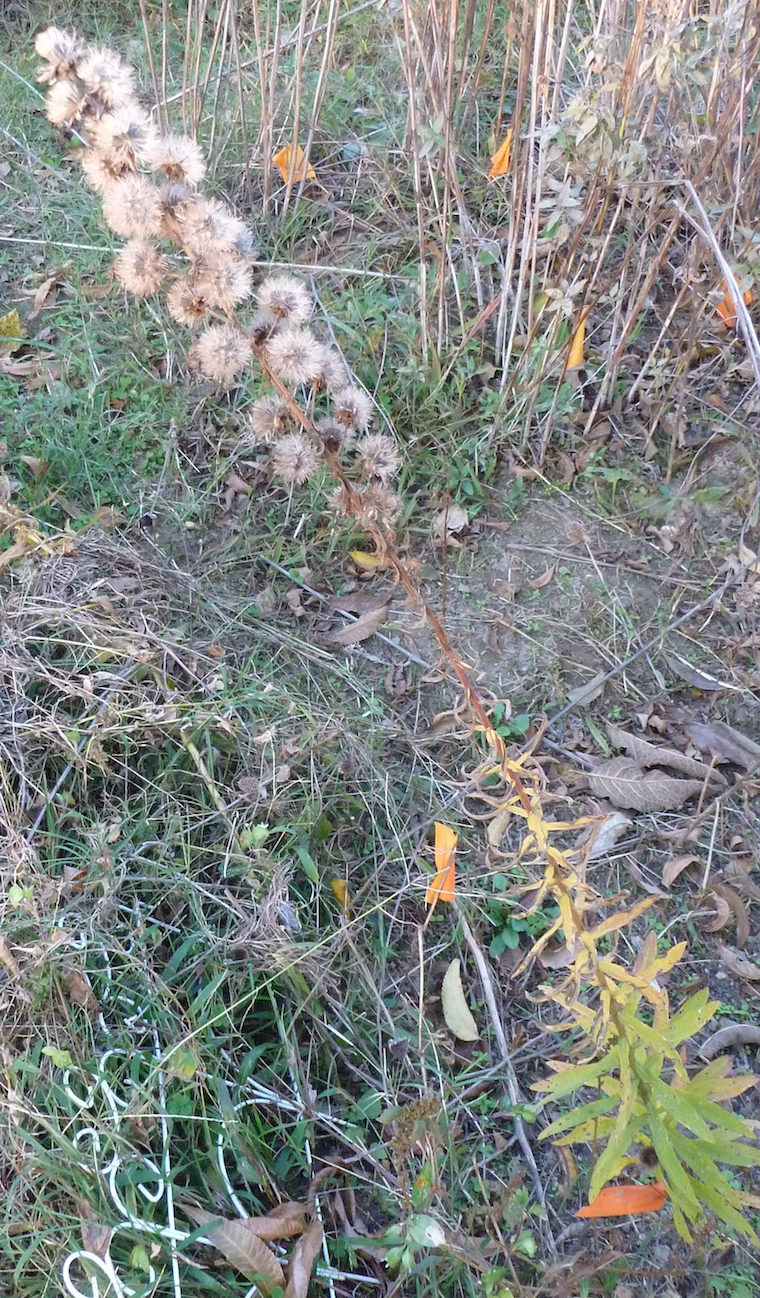
Here’s what the Liatris looks like now:

liatrisAnd here are the penstemon and the culver’s root:

Penstemon

Penstemon

Culver's Root

Culver’s Root

I’m afraid the boneset did not survive the summer’s drought — the plants  look too black and just plain dead to me, so I don’t know what will come back next year.  It did produce a lot of seed, as in this picture, so maybe it will be able to reseed itself.  I’m having to dig up so much wire grass, though — I’m afraid I’m eliminating reseeding.

Boneset Gone to Seed

Boneset Gone to Seed

My common milkweed did very well for itself.  My one plant transmogrified itself to at least 10 plants at last count.  Here are some of them:baby milkweedsFinally, the trees in the rest of my yard are all looking ready for upcoming winter.

Dogwood with Next Year's Flower Buds

Dogwood with Next Year’s Flower Buds

Red Bud with Pods

Redbud with Pods


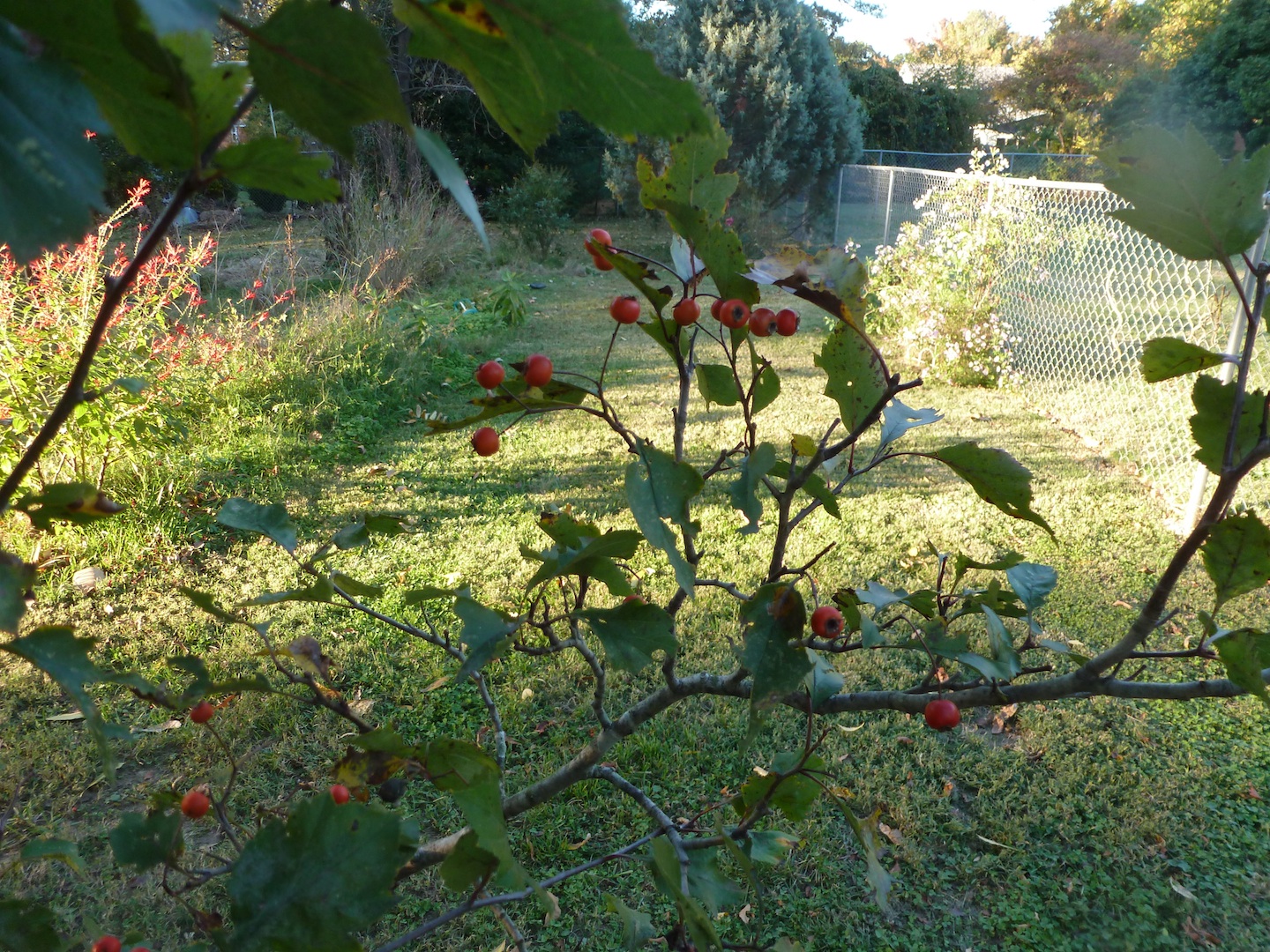
Hawthorne with Red Berries Waiting for Cedar Waxwings in the Spring

Hawthorne with Red Berries Waiting for Cedar Waxwings in the Spring

Pin Oak Starting to Change Color --- Most Leaves Won't Fall until Spring

Pin Oak Starting to Change Color — Most Leaves Won’t Fall until Spring


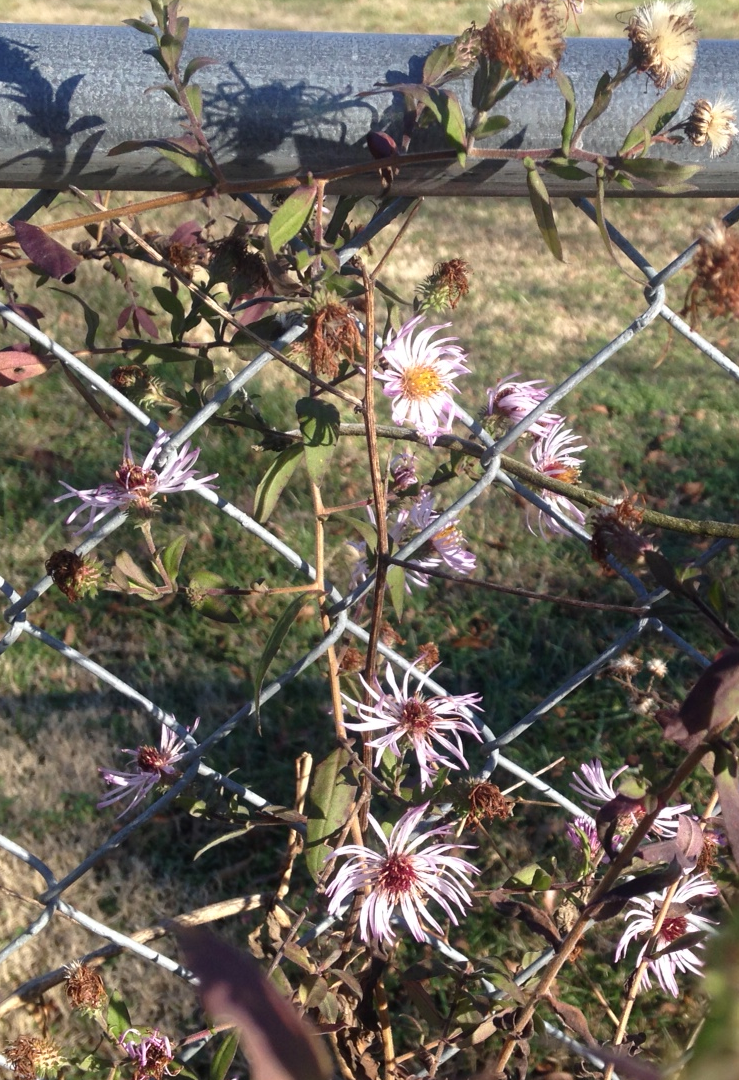
Couldn’t Resist Another Post on Asters

My favorite climbing aster picture.  Doesn’t this bumblebee look like it’s found the perfect fit?

Bumblebee on Climbing Aster -- Perfect Fit

Bumblebee on Climbing Aster — Perfect Fit

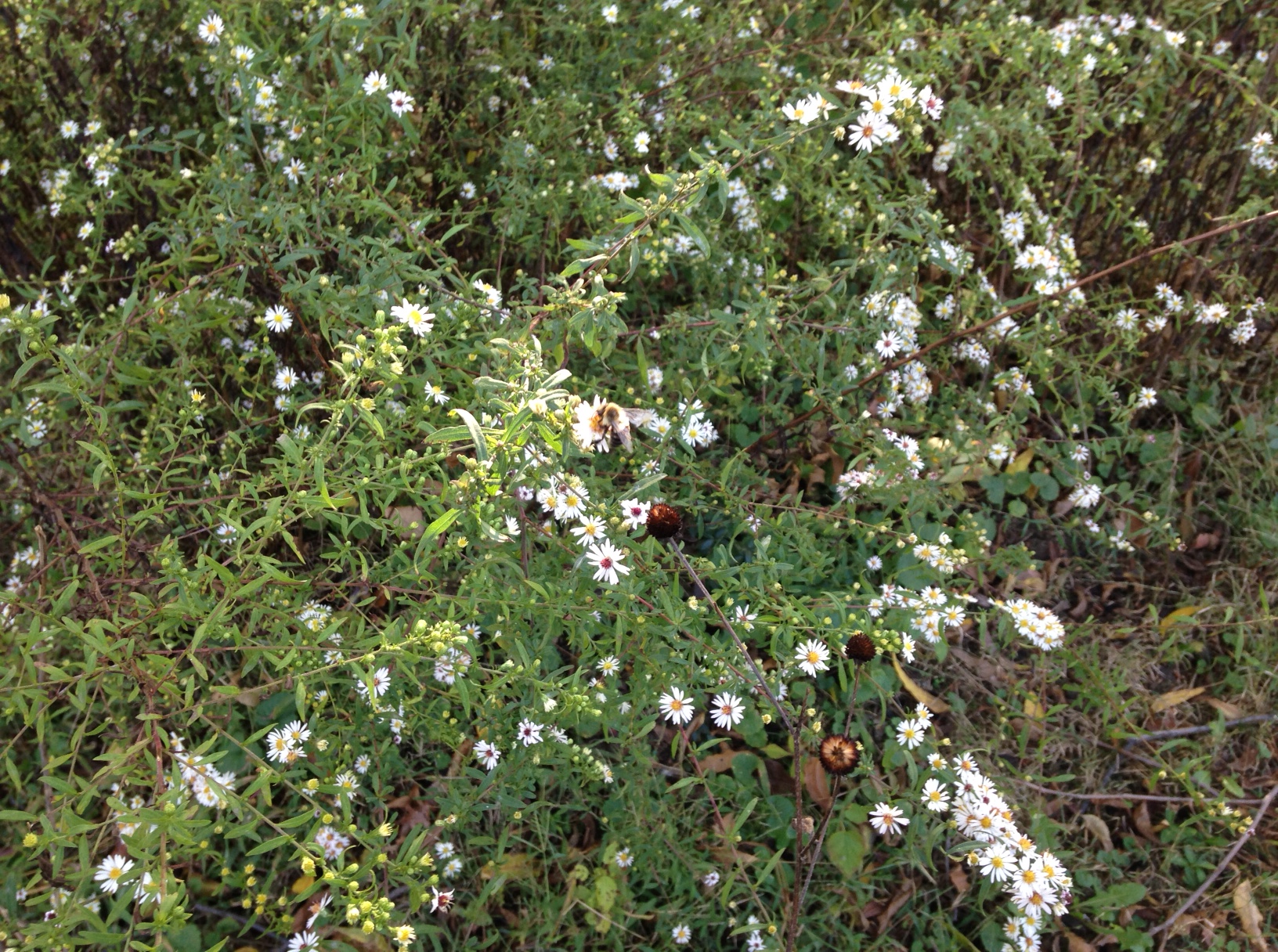
The Small White Asters are now in bloom all over my yard.  They are swarming with little bees but getting a photograph of these bees is virtually impossible. While searching this photograph for a visible bee …

Small White Aster before Enlargement

Small White Aster before Enlargement

… I found that when magnified enough, the picture began to look like a sort of tapestry.

Small White Aster Tapestry

Small White Aster Tapestry

I like this blurry picture better than the original.  I feel like it was lurking inside the bigger picture.

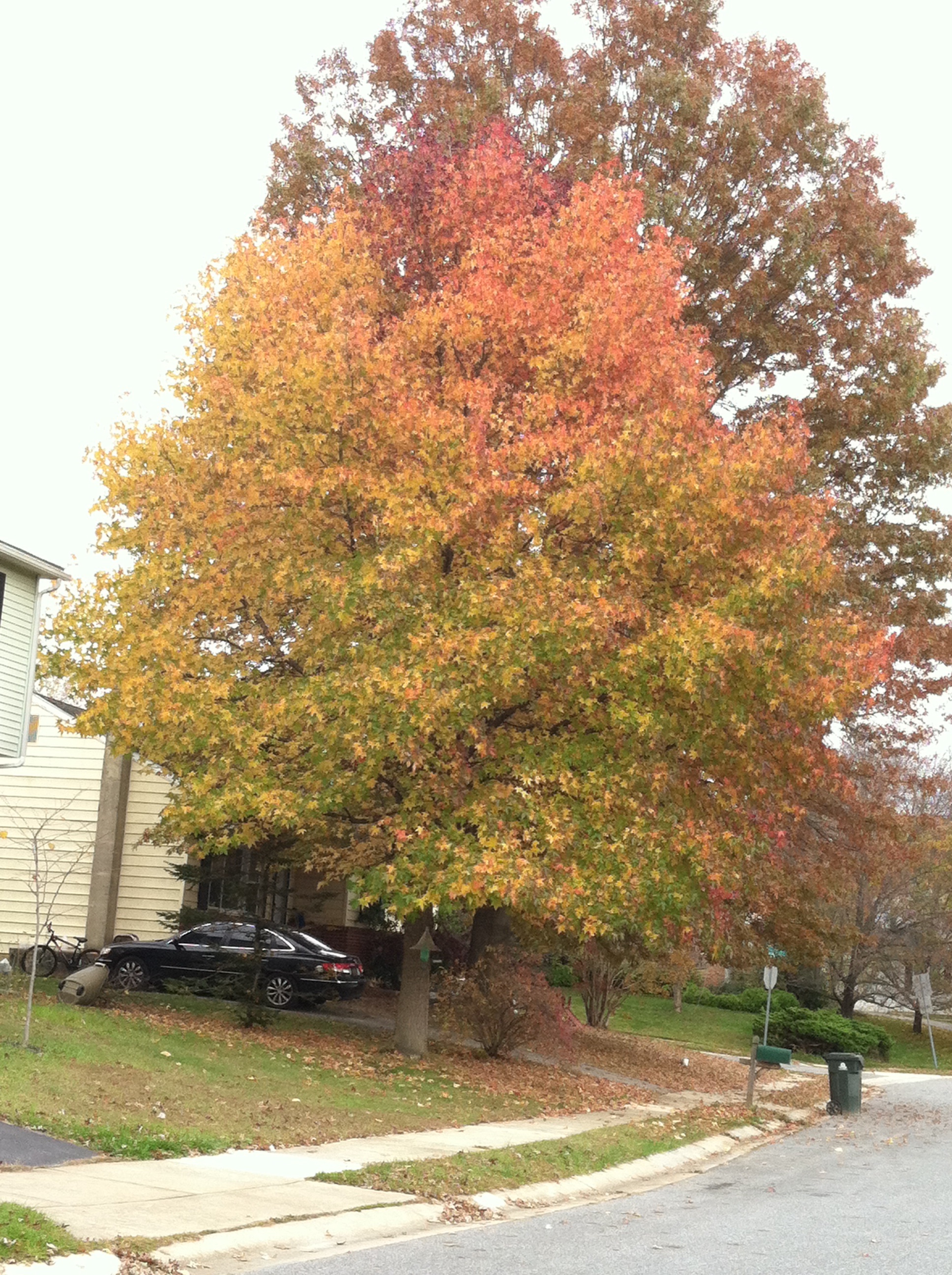
Why I Love My Sweetgum Tree!

image

This picture just about says it all!  The native sweetgum is often maligned because of its prickly seed pods, and they can be a nuisance when they fall in late winter/early spring, but to me the beauty of this tree is worth the two hours of raking. Plus, it is riddled with the horizontal lines of holes from yellow-bellied sapsuckers!  We planted this tree almost 35 years ago, in the spring of 1980, right after we moved in. The folks gave us a one-foot-tall seedling from their yard, and I remember Dad telling Sam, in his dry, understated way, “I’d chop it down now, if I were you!”.