A Gossamer Winged Beauty

Today I took a walk around my garden to see what I could photograph.  When I got to the goldenrod, I saw a butterfly.  Butterflies have been extremely scarce this summer so I immediately tried to get a picture of this one, though I didn’t know its identity.  When I looked at the photo on my computer, this is what I saw:

Olive Hairstreak on Goldenrod

Olive Hairstreak on Goldenrod

According to my Audubon Society Field Guide to North American Butterflies, this is an Olive Hairstreak in the category of “Gossamer Wings.”  It’s host plant is Eastern Red Cedar.  I am fortunate to have a couple of those trees in my yard. — Robin

Olive

Olive

Olive

Olive keeps us on the straight and narrow.  She lets us know when it is time to get up, when to eat, when to go for a walk, when to get treats, and when to go to bed. She keeps better time than Big Ben!  She is a Havanese , rescued from the local Humane Society Shelter.  — Wendy

Backyard pond

IMG_1305This is the small pond we put in several years ago.  Since we live in the desert, we wanted to provide a water source for birds and other critters.  The flowers around it are salvia (I think) which, as far as I know, are not native to Idaho.   My husband remembers, however, that we transferred the starter plants to our backyard from the mountains.  He has a better memory than I do.  Whatever their source, they are a great attraction for bees and butterflies.    Leslie

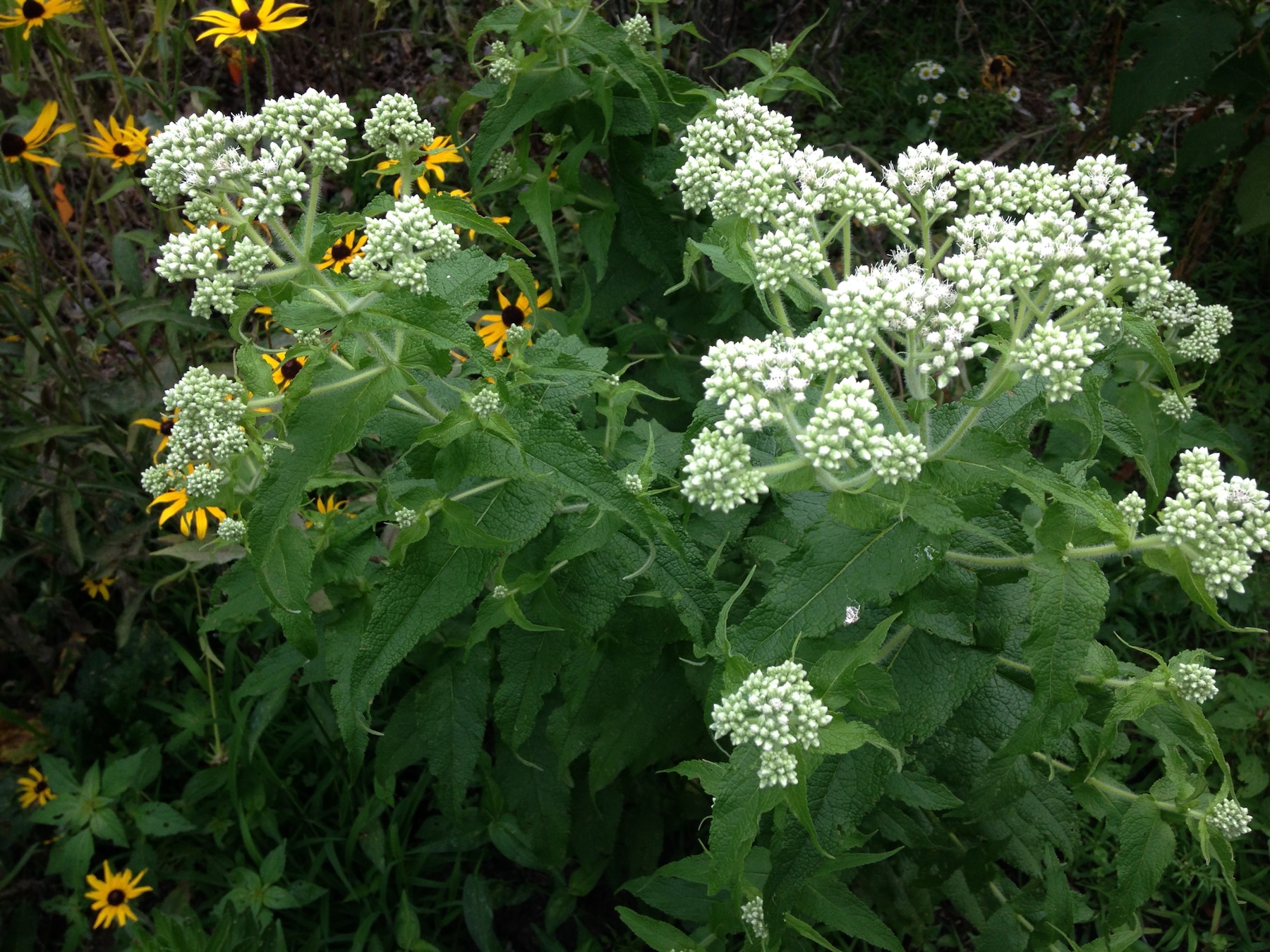
It’s Boneset Time in Virginia

At mid-July, much of my garden is going to seed already — particularly the Daisy Fleabane is mostly brown now.  The goldfinches are still all over it and for all I know the fleabane may be an important source of seed for them so I intend to leave it there.

On the other hand, the boneset is coming into bloom at this time.  I have it throughout my garden where it has self-seeded.

Boneset Coming into Bloom Mid-July

Boneset Coming into Bloom Mid-July

Yesterday I was very pleased to see a couple of butterflies flying through the garden and landing on the boneset.  I THINK they were Spicebush Swallowtails.  I’ve seen almost no butterflies at all this year so their appearance is very appreciated.  I knew they had to be around because I have Spicebush Swallowtail caterpillars on my spicebushes but had not seen any adults yet.

Spicebush Swallowtail on Bonset

Spicebush Swallowtail on Boneset

Sweat bees and pink coreopsis

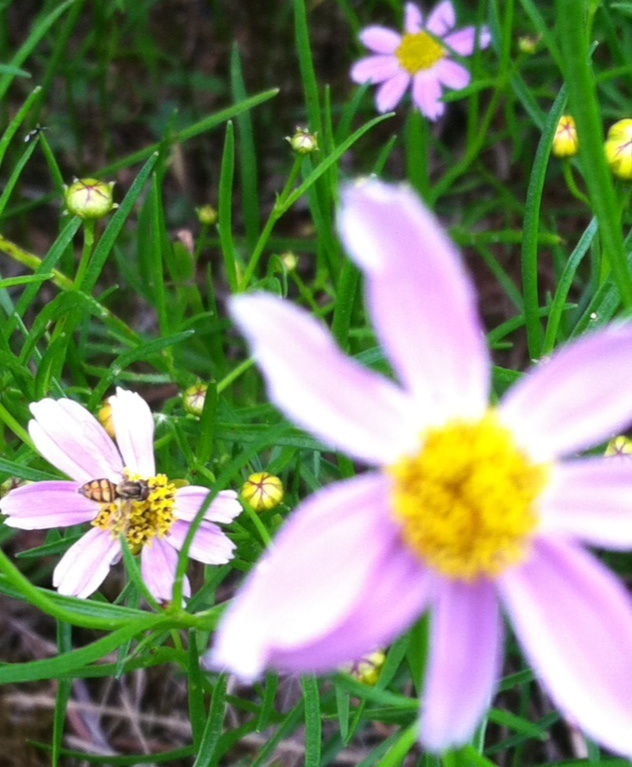
I planted some pink threaded coreopsis, another native perennial, on the west side of my house a couple years ago. It didn’t do very well last year, but this year it has taken off and actually spread, and now it is in full bloom! It was advertised as attractive to butterflies, but so far, all I have seen are numerous sweat bees, barely 3/8 inch long! These are the same bees I wrote about that have been pollinating our beans. In the first picture, I just wanted to show the coreopsis, but the second picture is greatly enlarged to show one of the tiny bees. I actually caught one at rest!

Pink threaded coreopsis "American Dream"

Pink threaded coreopsis “American Dream”

Tiny sweat bee on pink coreopsis--enlarged

Tiny sweat bee on pink coreopsis–enlarged

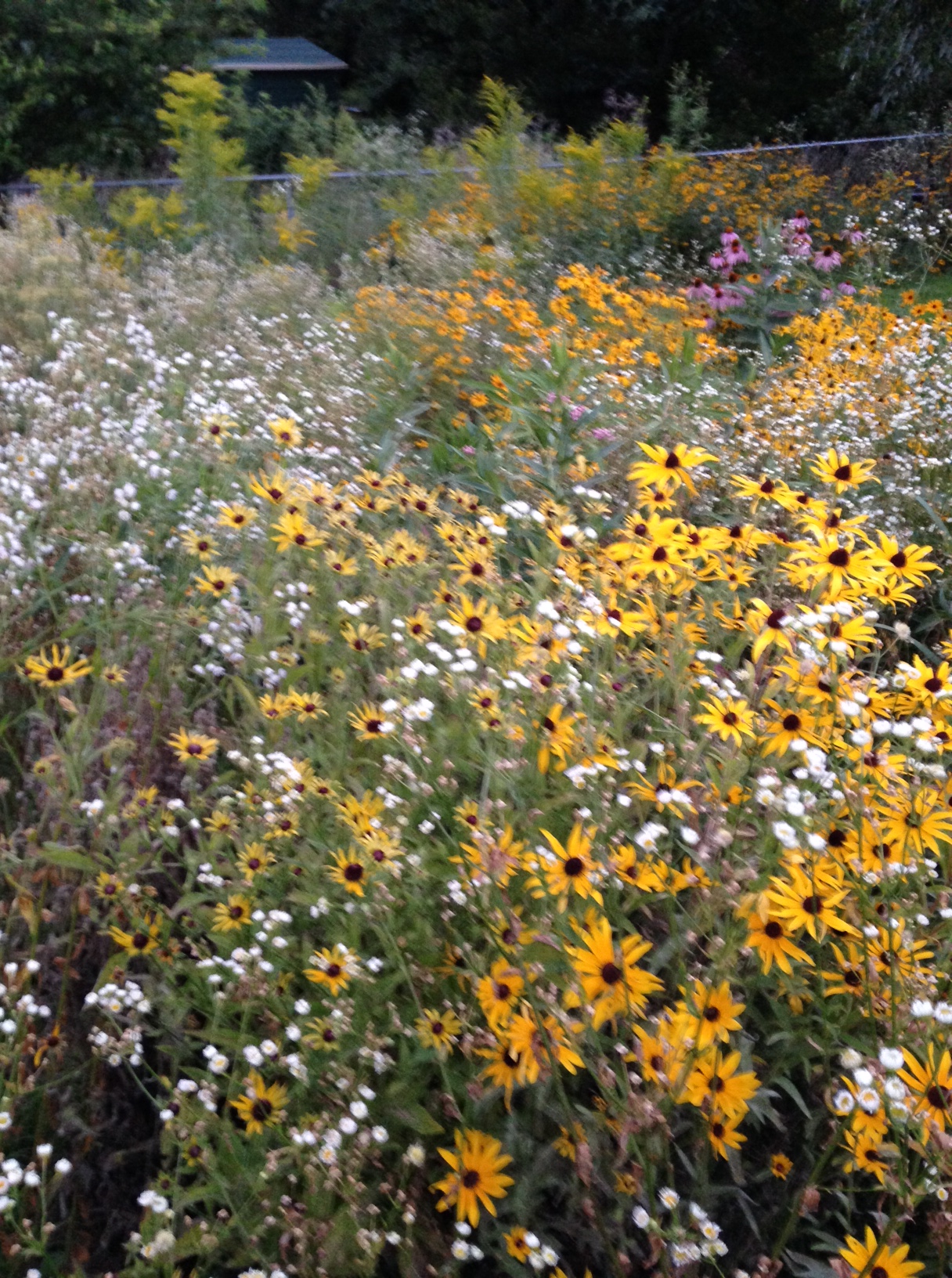
The Garden in Evening Light

I tried taking some photos after 8:30 PM in late June.  These pictures are somewhat out of focus but have an “unwordly” (impressionistic?) quality, with the whites and yellows seeming almost luminous. — Robin

The Garden in Late Evening Light

The Garden in Late Evening Light

Culver's Root Late Evening

Culver’s Root Late Evening


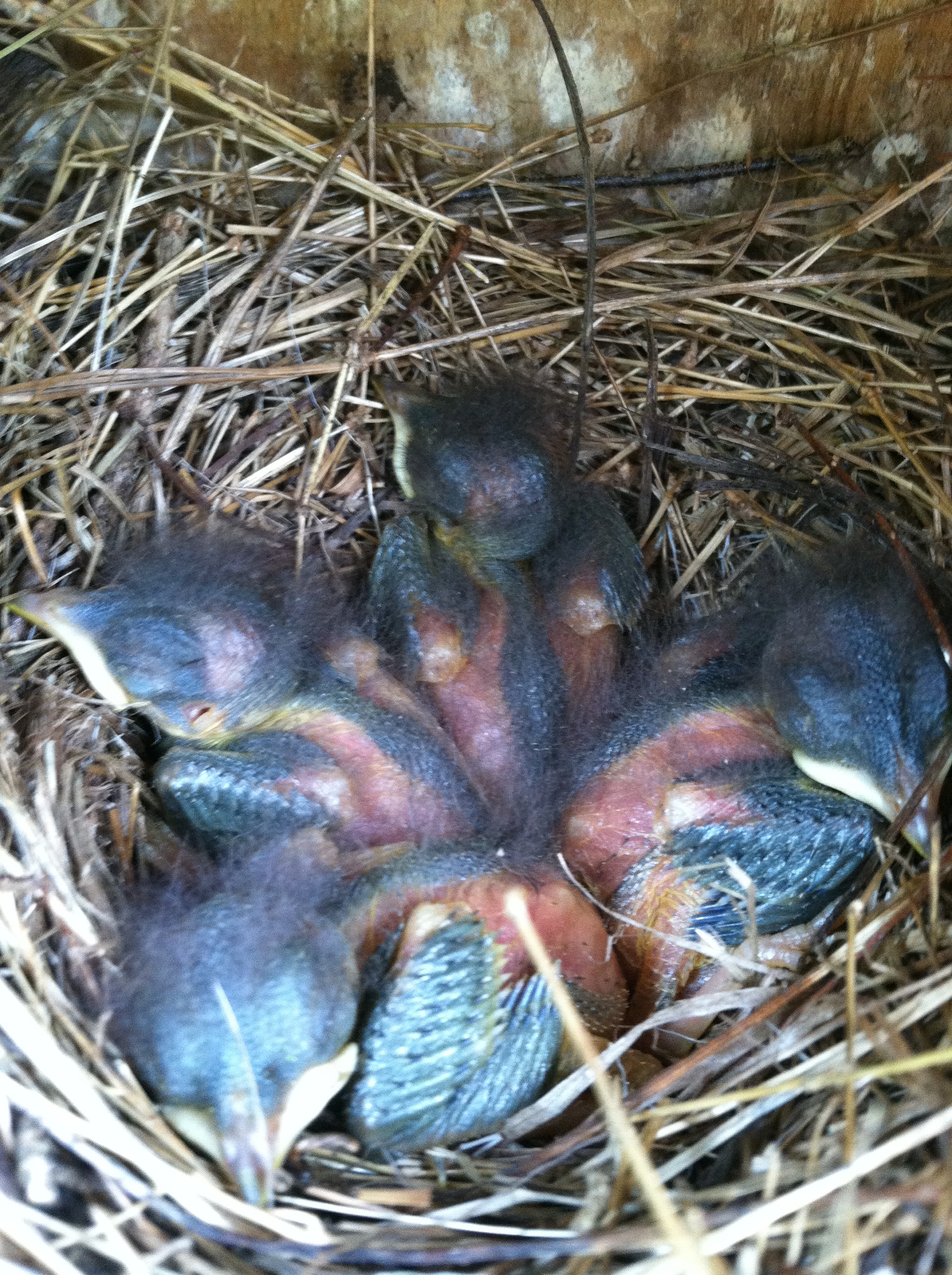
Bluebirds!

Bluebird nestlings, about one week old

Bluebird nestlings, about one week old

I monitor bluebird boxes at a nearby state park, and today I had three boxes with a total of thirteen nestlings, all about a week to ten days old. It must have been naptime this afternoon, because they were all sound asleep!

Camas

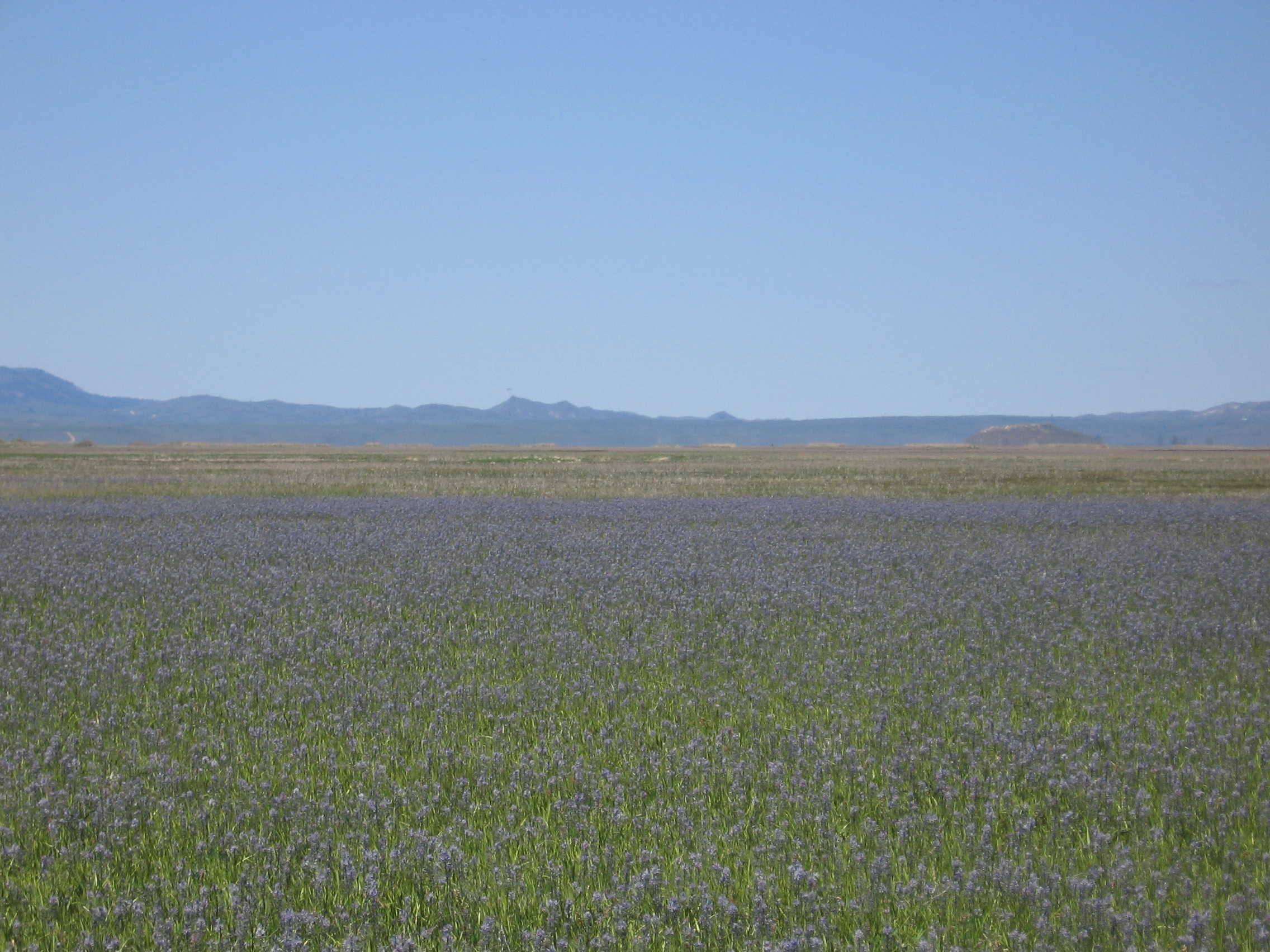
Camas is one of my favorite native plants of Idaho.  It is not only beautiful but its roots were a major food source for native people before white settlers arrived.  Here are two pictures.  One is from my yard where we have put a few camas plants.  They require a lot of water, so we are very careful with them.  The second picture is a field of camas on what is called the Camas Prairie.  My picture doesn’t really do justice to them.  From a distance, they look like a sea of blue.    Leslie

Camus in My Yard

Camas in My Yard

Camus -- Sea of Blue

Camas Prairie — “Sea of Blue”