Some Old Friends

Finally some old friends are showing up.

My Sweet Joe Pye Weed has put in an appearance:
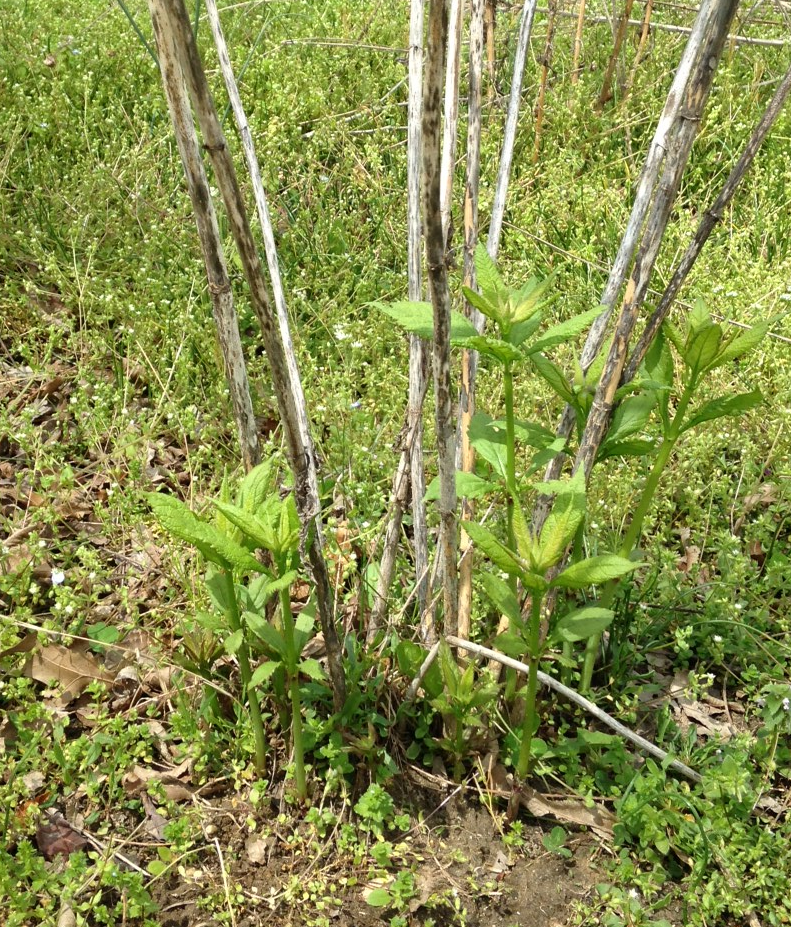
Sweet Joe Pye Weed Starting to Come Up

Sweet Joe Pye Weed Starting to Come Up

My common milkweed is suddenly popping up.  As I recall by the end of last year my original one plant had transmogrified into at least 8 plants. I wonder how many there will be this spring.

Common Milkweed Coming Up

Common Milkweed Coming Up

The Penstemon is putting in an appearance:
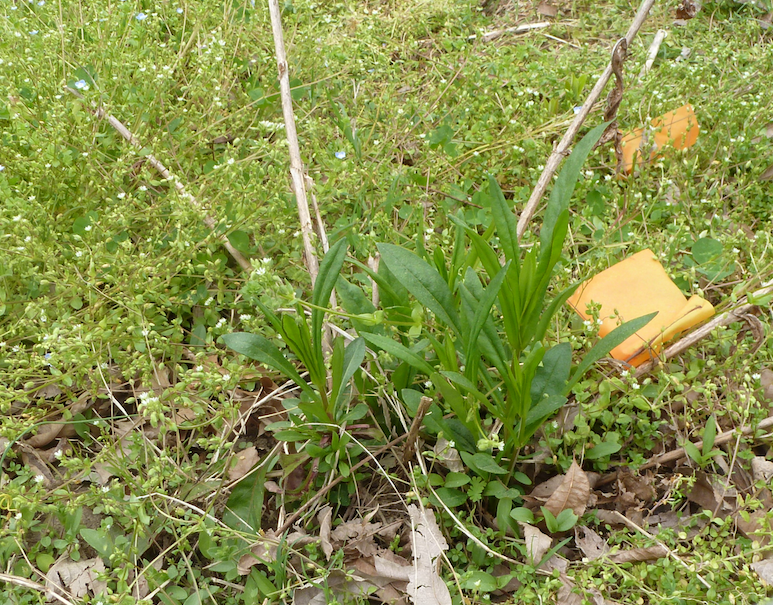
Penstemon Coming Up

Penstemon Coming Up

I have several plants that I think may be Butterfly Weed (Asclepias tuberosa).  I’m not positive as I think it is a little early for Butterfly Weed to be this far along.  But at this point I don’t know what else it might be.

Butterfly Weed Coming Up?

Butterfly Weed Coming Up?

This is the way my Climbing Aster (Aster carolinianus) looks from a distance.  Old dead wood, right?
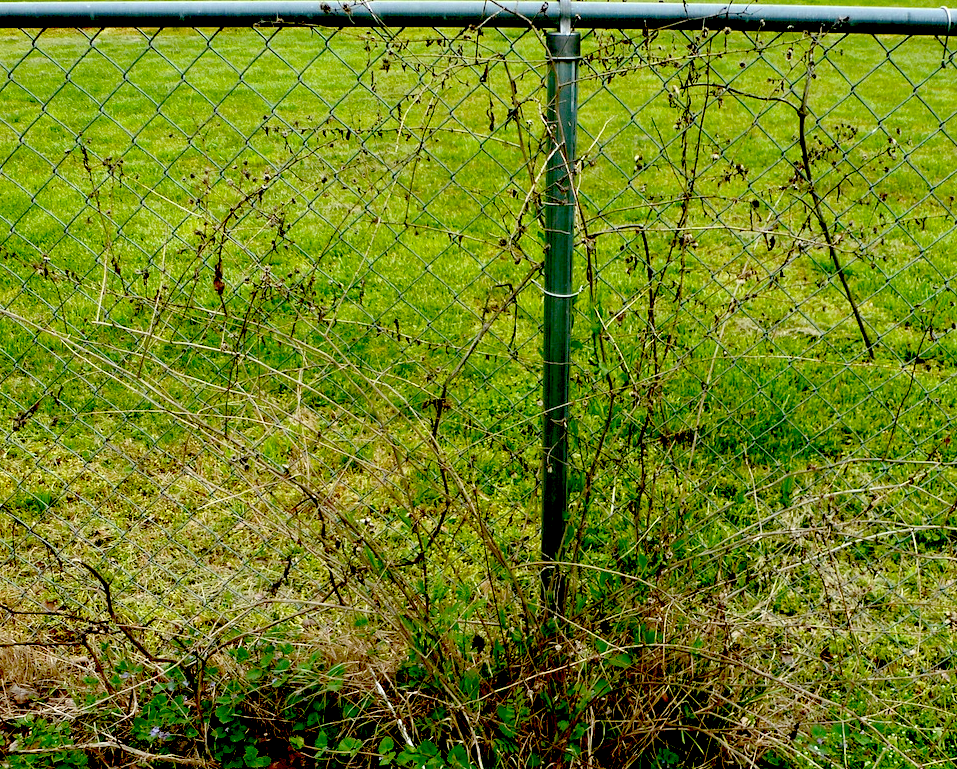
Climbing Aster from a Distance 04/19/15

Climbing Aster from a Distance 04/19/15

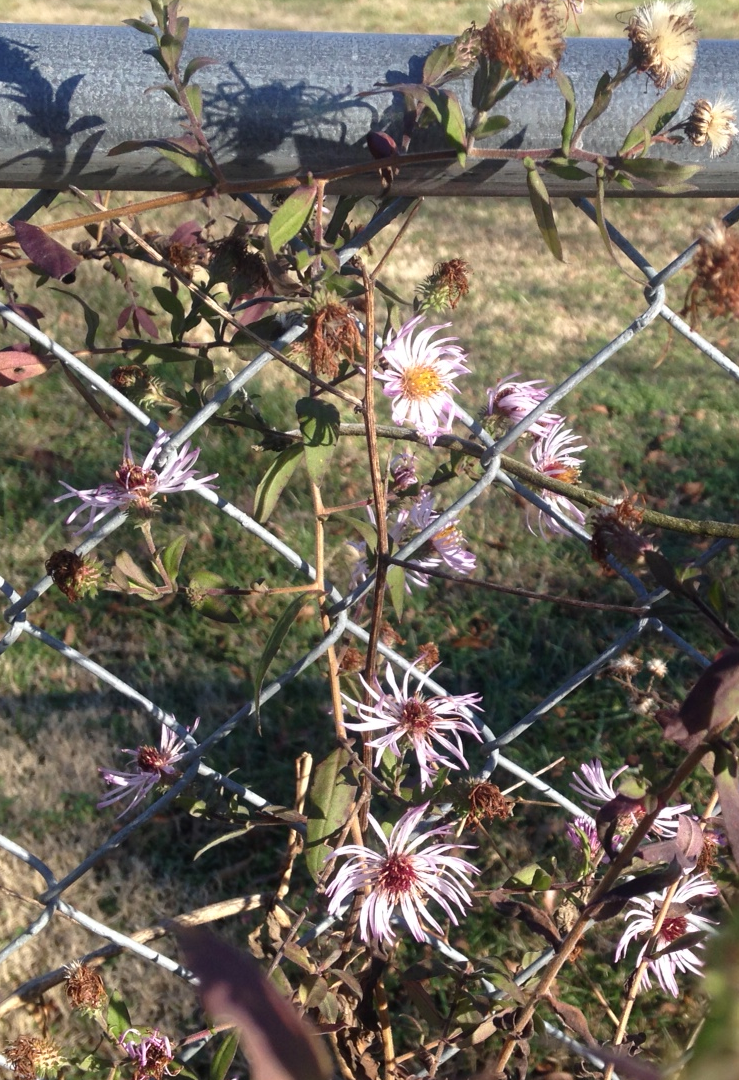
Last year I was “cleaning up” by cutting away this old “dead” stuff, when I realized there were green leaves growing out of it!  This year I know better.  Here’s a view closer up.  If you look closely you can see that there are green leaves growing out of the brown stems.
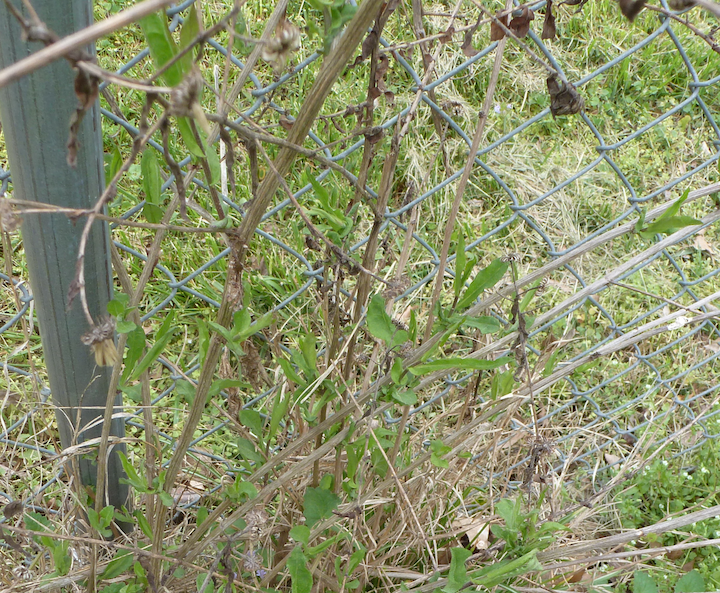
Climbing Aster Up Close

Climbing Aster Up Close

Finally, I don’t know that these would classify as “old friends” but the inch worms are back this year!  I keep discovering them crawling on the back of my neck after I’ve been out in the yard.  Sorry, they are too small for me to photograph.


Early spring in Delaware

As with a good part of the east coast, spring has been very slow to come this year.  I have been anxiously watching my yard for signs of survival after our harsh winter, and now I’m beginning to see some progress.  Here are some pictures I took on April 9, 2015.

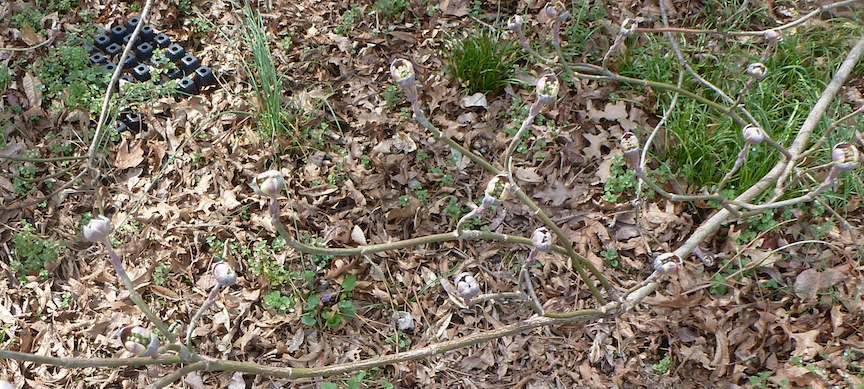
Serviceberry buds are getting close to opening

Serviceberry buds are getting close to opening

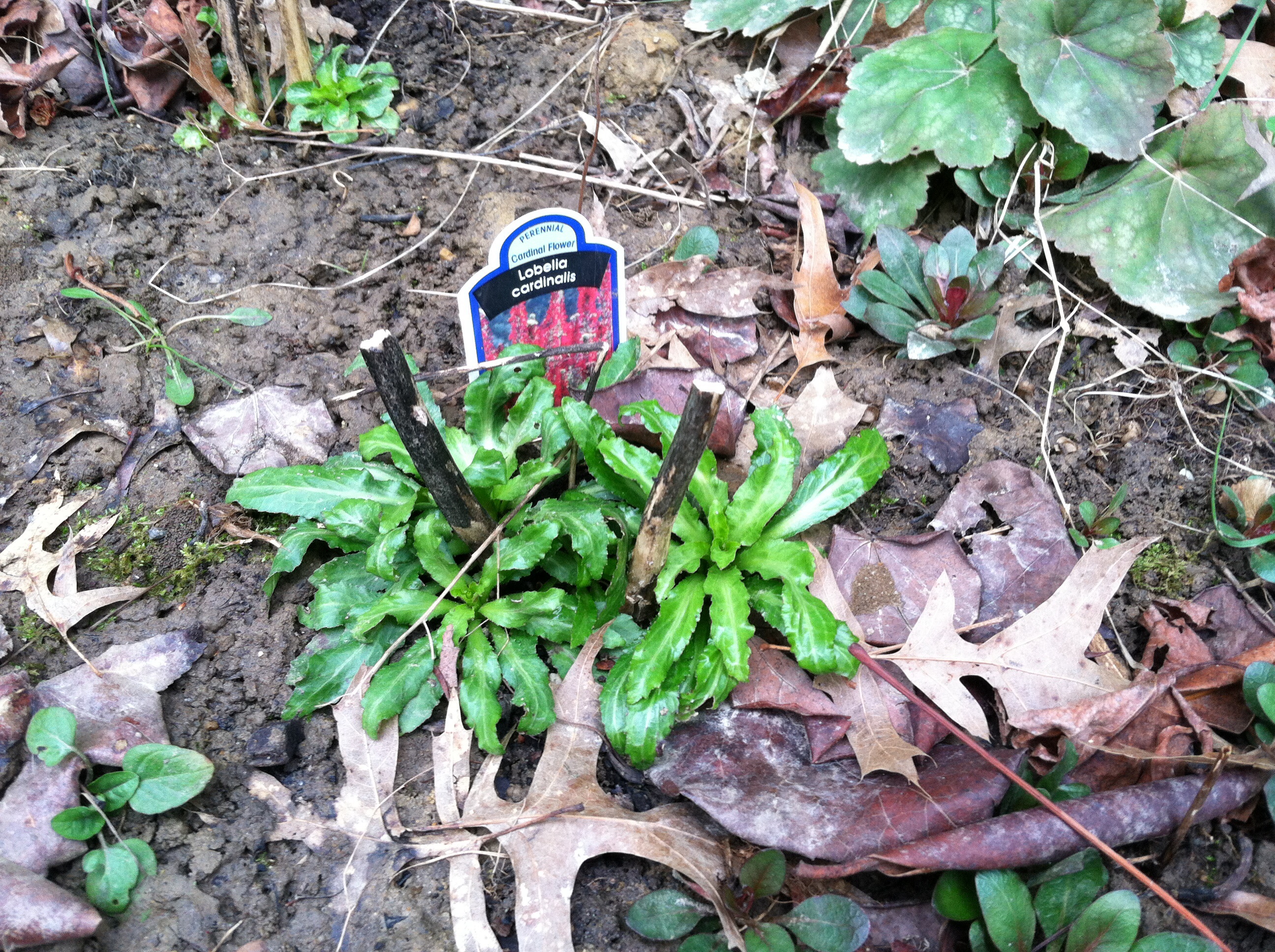
Cardinal flower and blue lobelia showing growth

Cardinal flower and blue lobelia showing growth

Blue lobelia

Blue lobelia

Greek valerian

Greek valerian

Dwarf goldenrod

Dwarf goldenrod

Bee balm coming back and spreading!

Bee balm coming back and spreading!

Native honeysuckle

Native honeysuckle

Hyssop

Hyssop

Native Flower Gardening in Virginia — My “New” Philosophy

I’ve decided I’m going to have a new native garden philosophy!  I’m going to give up on weeding!  Or at least I’m not going to try to dig up wire grass anymore.  To dig it up requires using a spading fork and this basically destroys my garden.  Here’s a photo of where I dug up wire grass last fall:

Where Wire Grass Dug Up

Where Wire Grass Has Been Dug Up

It’s not worth it.

I know of more than one native flower garden in nearby City parks that has been abandoned because the gardener couldn’t control the wire grass.

I’ve found that wire grass is relatively unsuccessful in the vicinity of my tall flowers such as Monarda fistulosa, sweet Joe Pye Weed, goldenrod and green-headed coneflower.

My new philosophy is going to be to plant as many tall-ish flowers as close together as possible and ignore the wire grass.  I’d like to say I’m aiming for a Flower-rich Meadow but this is too euphemistic!  I’m going to have to say I’m aiming for a Flower-rich Mess and if the bees like it, then I like it.

In the interests of truth-in-advertising, here’s a photo of what my flower-rich mess looks like right now.  (Not exactly flower-rich right now but hopefully there will be a big transformation over the next few months.)

Current State of Flower-rich Mess

Current State of Flower-rich Mess

Signs of Spring in Virginia

Here are some pictures of early springtime in Virginia.

Serviceberry Coming into Bloom Photographed 04/03/15

Serviceberry Coming into Bloom Photographed 04/03/15

Monarda fistulosa Photographed 03/15/15

Monarda fistulosa Coming Up Photographed 03/24/15

Redbud Flower Buds Photographed 03/22/15

Redbud Flower Buds Photographed 03/22/15

Spicebush  in Bloom Photographed 03/28/15

Spicebush in Bloom Photographed 03/28/15

Dogwood Flowers Opening Up

Dogwood Flowers Opening Up Photographed 04/03/15

Native Honeysuckle Leafing Out Photographed 03/24/15

Native Honeysuckle Leafing Out Photographed 03/24/15


The Weed Garden in the Fall

I thought I’d walk around my garden and take a good look at what it looks like now in late October.  I thought the spent flowers and plants might have their own kind of beauty (or not).  For this tour I’m including my whole yard, not just the official “garden.”

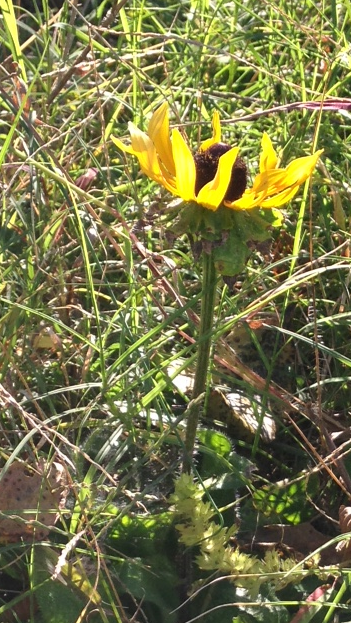
First there actually are a very few “spring” flowers still in bloom.  A couple of late black-eyed Susans and some daisy fleabane:

 Another late Black Eyed Susandaisy fleabane

But most plants in the garden are long past blooming.

The green-headed coneflower is long past its glory days.  But the green leaves at the bottom show it’s still alive and waiting for spring to come again.

Green-headed Coneflower

Green-headed Coneflower

The goldenrod has gone to seed.

Goldenrod Gone to Seed

Goldenrod Gone to Seed

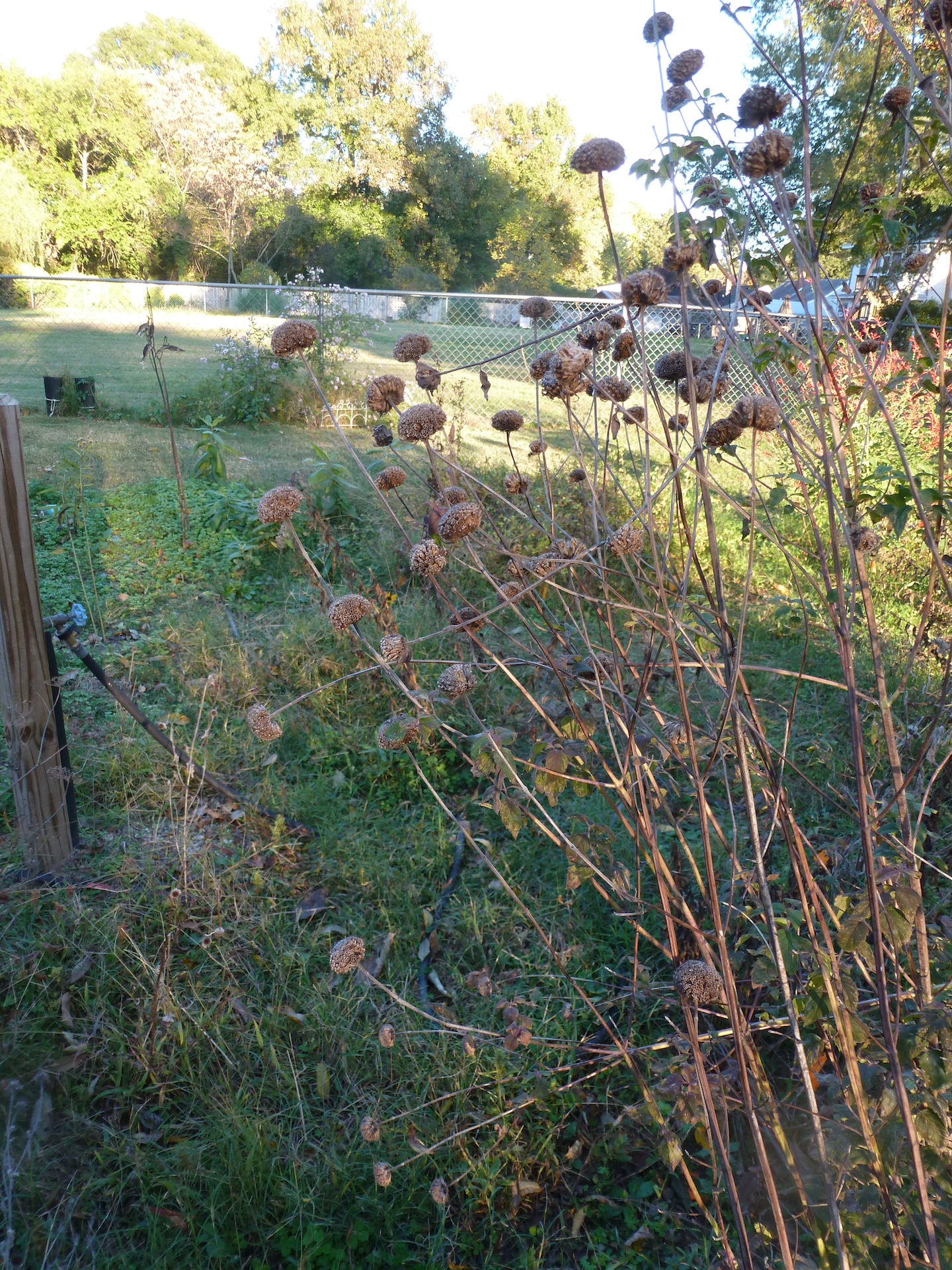
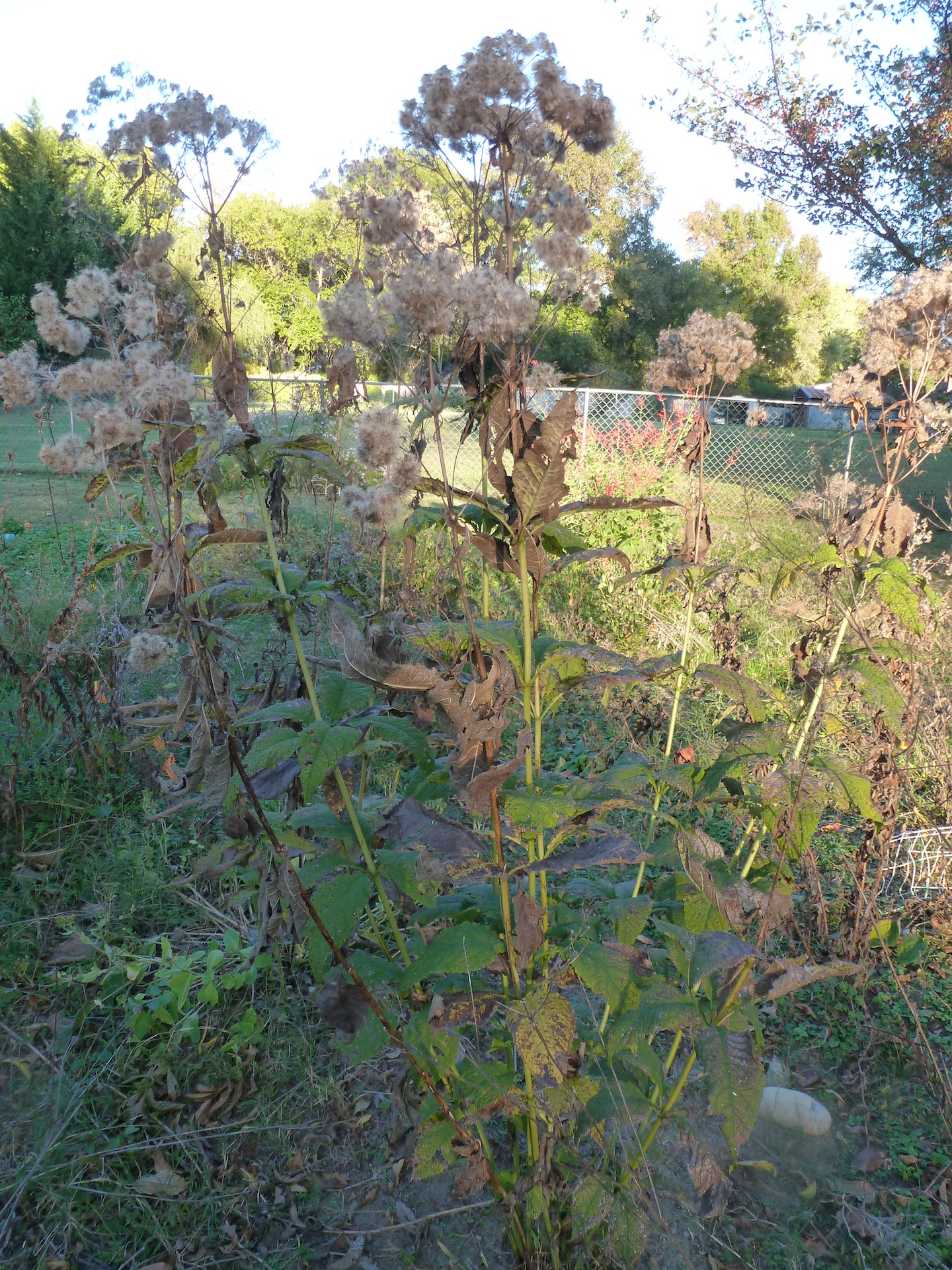
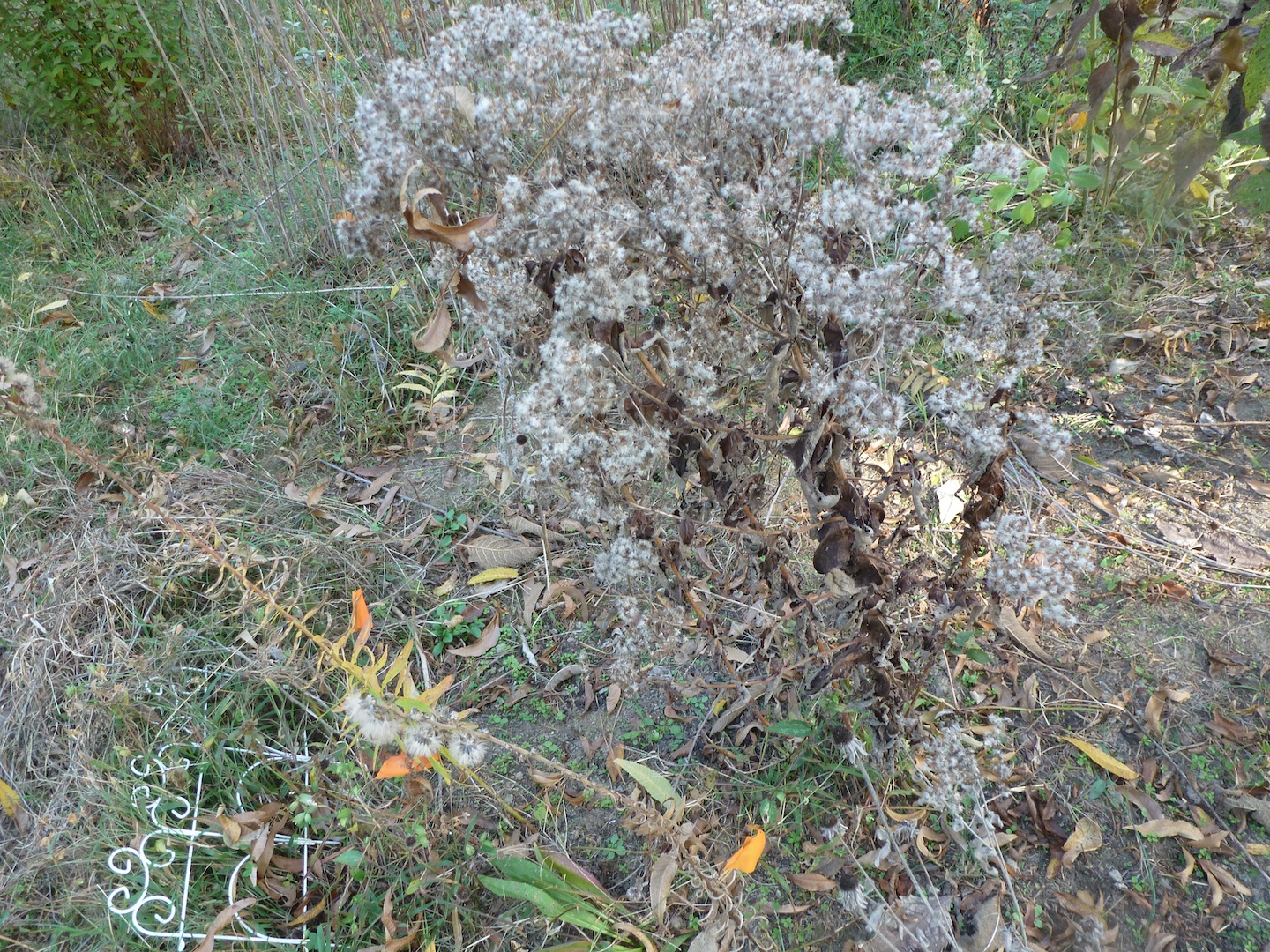
The Monarda fistulosa and sweet joe pye weed are long past blooming but still have some green leaves.

Monarda Fistulosa

Monarda Fistulosa

Sweet Joe Pye Weed

Sweet Joe Pye Weed

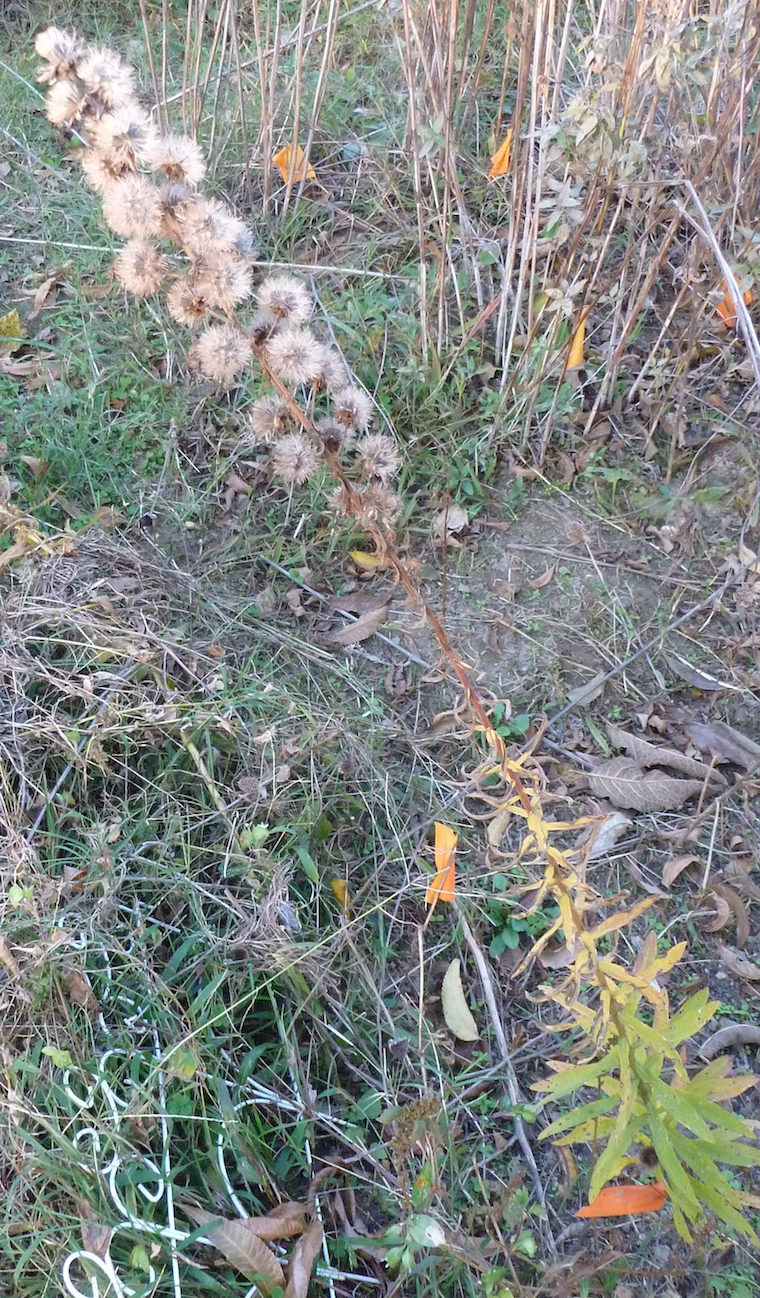
Here’s what the Liatris looks like now:

liatrisAnd here are the penstemon and the culver’s root:

Penstemon

Penstemon

Culver's Root

Culver’s Root

I’m afraid the boneset did not survive the summer’s drought — the plants  look too black and just plain dead to me, so I don’t know what will come back next year.  It did produce a lot of seed, as in this picture, so maybe it will be able to reseed itself.  I’m having to dig up so much wire grass, though — I’m afraid I’m eliminating reseeding.

Boneset Gone to Seed

Boneset Gone to Seed

My common milkweed did very well for itself.  My one plant transmogrified itself to at least 10 plants at last count.  Here are some of them:baby milkweedsFinally, the trees in the rest of my yard are all looking ready for upcoming winter.

Dogwood with Next Year's Flower Buds

Dogwood with Next Year’s Flower Buds

Red Bud with Pods

Redbud with Pods


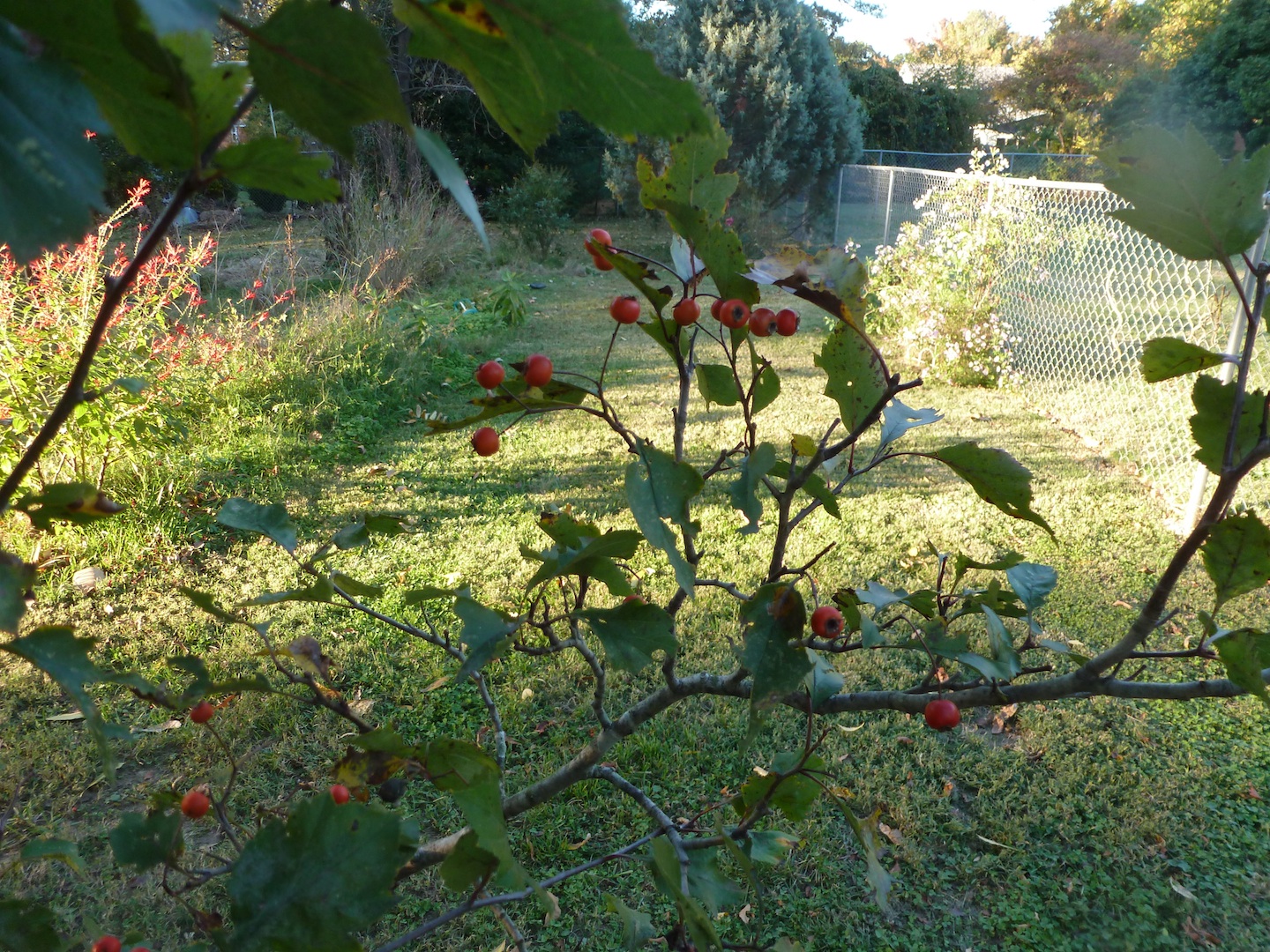
Hawthorne with Red Berries Waiting for Cedar Waxwings in the Spring

Hawthorne with Red Berries Waiting for Cedar Waxwings in the Spring

Pin Oak Starting to Change Color --- Most Leaves Won't Fall until Spring

Pin Oak Starting to Change Color — Most Leaves Won’t Fall until Spring


Couldn’t Resist Another Post on Asters

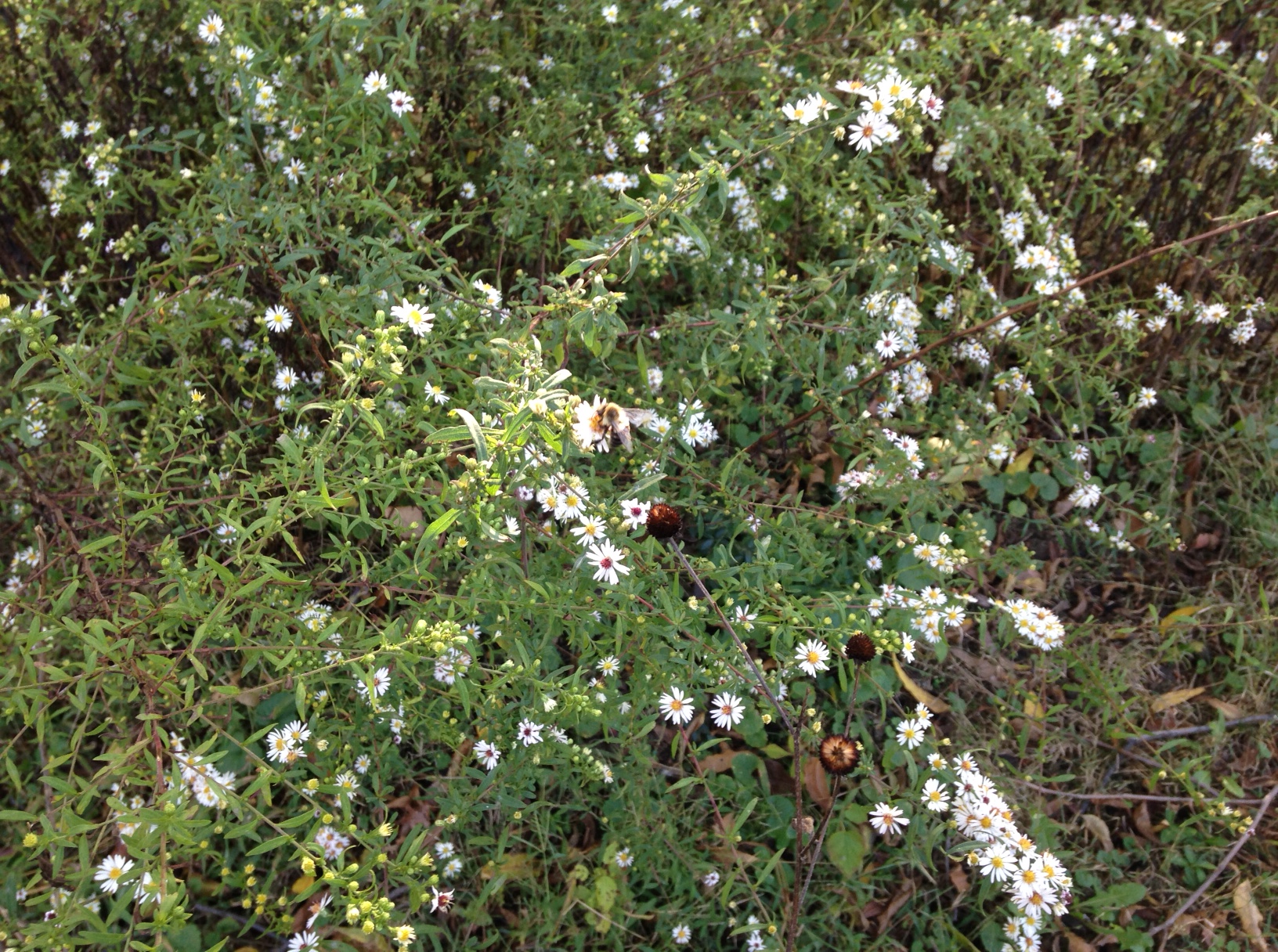
My favorite climbing aster picture.  Doesn’t this bumblebee look like it’s found the perfect fit?

Bumblebee on Climbing Aster -- Perfect Fit

Bumblebee on Climbing Aster — Perfect Fit

The Small White Asters are now in bloom all over my yard.  They are swarming with little bees but getting a photograph of these bees is virtually impossible. While searching this photograph for a visible bee …

Small White Aster before Enlargement

Small White Aster before Enlargement

… I found that when magnified enough, the picture began to look like a sort of tapestry.

Small White Aster Tapestry

Small White Aster Tapestry

I like this blurry picture better than the original.  I feel like it was lurking inside the bigger picture.

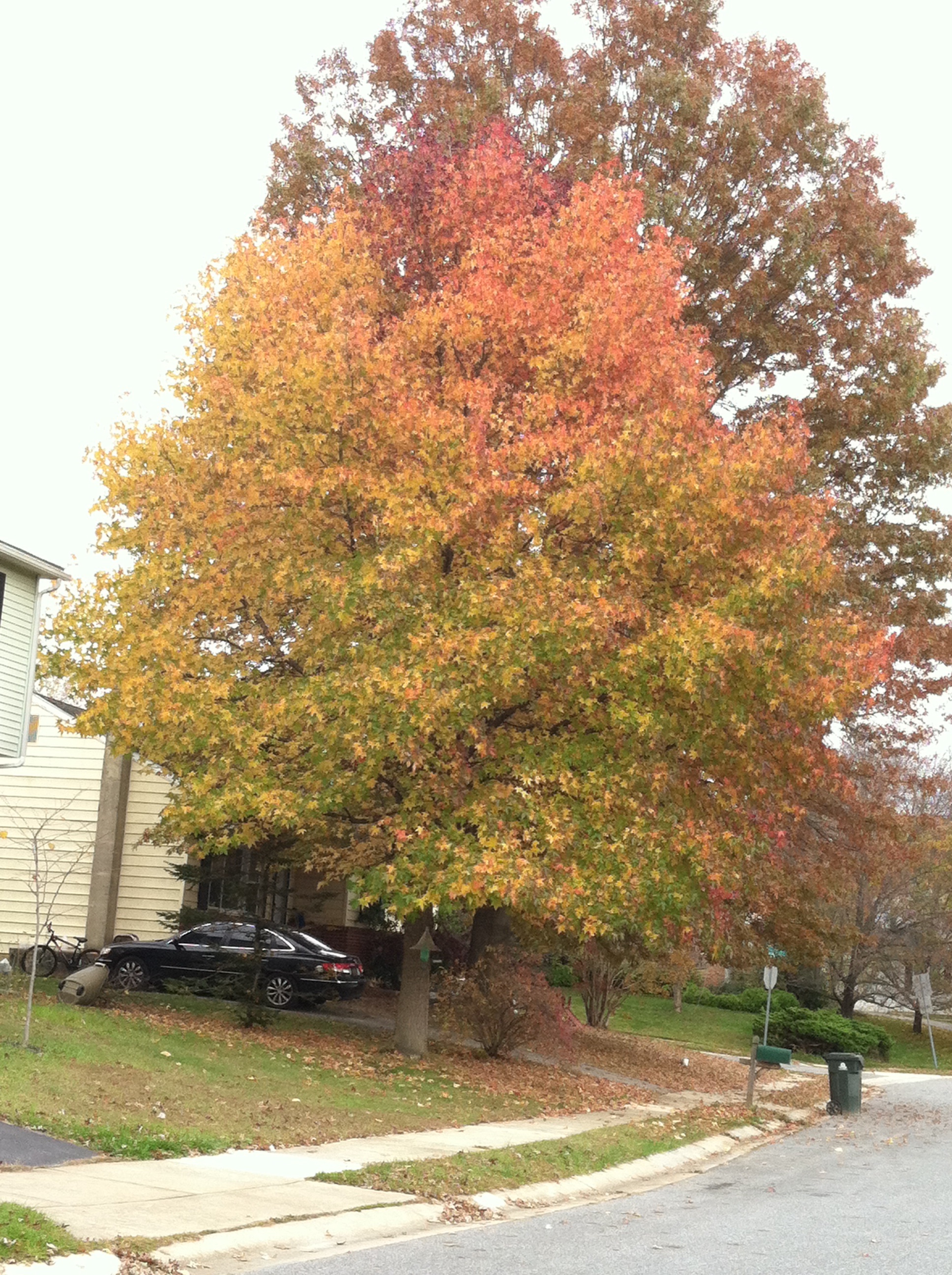
Why I Love My Sweetgum Tree!

image

This picture just about says it all!  The native sweetgum is often maligned because of its prickly seed pods, and they can be a nuisance when they fall in late winter/early spring, but to me the beauty of this tree is worth the two hours of raking. Plus, it is riddled with the horizontal lines of holes from yellow-bellied sapsuckers!  We planted this tree almost 35 years ago, in the spring of 1980, right after we moved in. The folks gave us a one-foot-tall seedling from their yard, and I remember Dad telling Sam, in his dry, understated way, “I’d chop it down now, if I were you!”.

TWO AT ONCE on My Butterfly Bush! Then Two More on the Southampton Elementary Butterfly Bush and Speaking of Butterfly Bushes…

On Saturday, I just happened to go outside in the middle of the afternoon and saw that there were TWO MONARCH BUTTERFLIES on my butterfly bush.  I must have spent a good 30 minutes trying to get a photograph showing both butterflies at once. This is what I ended up with and submitted with my sighting report to Journey North:
Two Monarchs on my Butterfly Bush

Two Monarchs on my Butterfly Bush

Then, I was at Southampton Elementary School in Richmond on Monday and saw two Monarch Butterflies on THEIR butterfly bush.  In this case we were in a hurry so I didn’t I have time to get both butterflies in one picture and you will have to take my word for it that there were two.

One of Two Monarch Butterflies on Butterfly Bush at Southampton Elementary

One of Two Monarch Butterflies on Butterfly Bush at Southampton Elementary

SPEAKING OF BUTTERFLY BUSHES … I wouldn’t give mine up for anything even though it’s a non-native.  The butterflies love it.  Maybe 9/10 of the butterflies I’ve identified in my yard have been on my butterfly bush.  (There were a couple of Painted Ladies flitting about on my butterfly bush while the Monarchs were there.  This year I’ve seen Painted Ladies only on my butterfly bush.)  Some people say they have had their butterfly bushes start to multiply, but mine never has even though I’ve had it for probably 15 years.  If it ever did start “to walk” I’d have to reconsider my opinion so I hope it doesn’t.  Except for the asters it’s the only thing in full bloom at this date when the Monarchs are still coming through.  Even the goldenrods are done blooming by now.