Spring in Idaho too

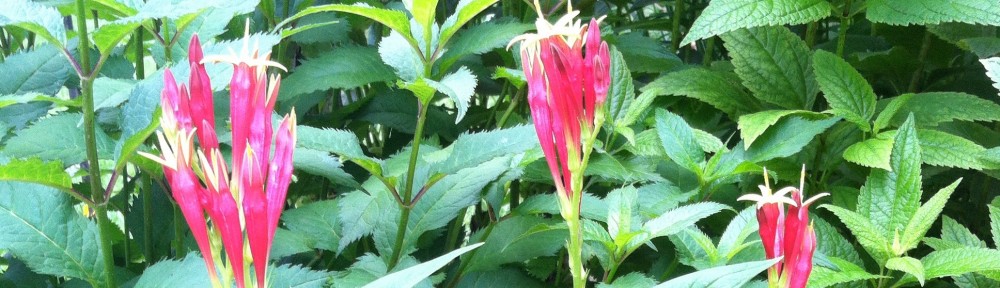
Spring has come in fits and starts this year, but here are a few pictures taken today.  The desert primrose and the syringa bush are one-year old native plants.  I don’t know what the bush with beautiful red flowers is, but we are pretty sure we did not plant it so it must be a gift from a bird passing through.  It is currently full of bees.  The chicks are almost two-week old Araucanas living in our patio room.  As you can see, they are just beginning to get their pin feathers.IMG_1311IMG_1305IMG_1310IMG_1314

The Ladies

IMG_1303

The introduction to our blog mentions that some of us have chickens, and that would be me.  I started keeping a small flock a few years ago after reading too many times about the horrible conditions of commercial poultry operations.  I figured the least I could do is provide a small number of chickens with a better life than that.  Mine have free range of the yard from mid-day until they decide to return to the roost at nightfall.  (Our three dogs use the yard in the morning.  Since two of them are bird dogs, we have never let the dogs and chickens mix.)  Pictured above are Dana (left) and Amy.  Dana is an Aracauna and gives us beautiful blue eggs.  Amy is a barnyard chicken and is our long-time best layer.  Her eggs are brown and have big dark yellow yolks.  In addition to eggs, they give us nice pooped-on straw for the compost pile, so I make sure they get their fill of lettuce from the vegetable garden.   Oddly enough, they do not like spinach.

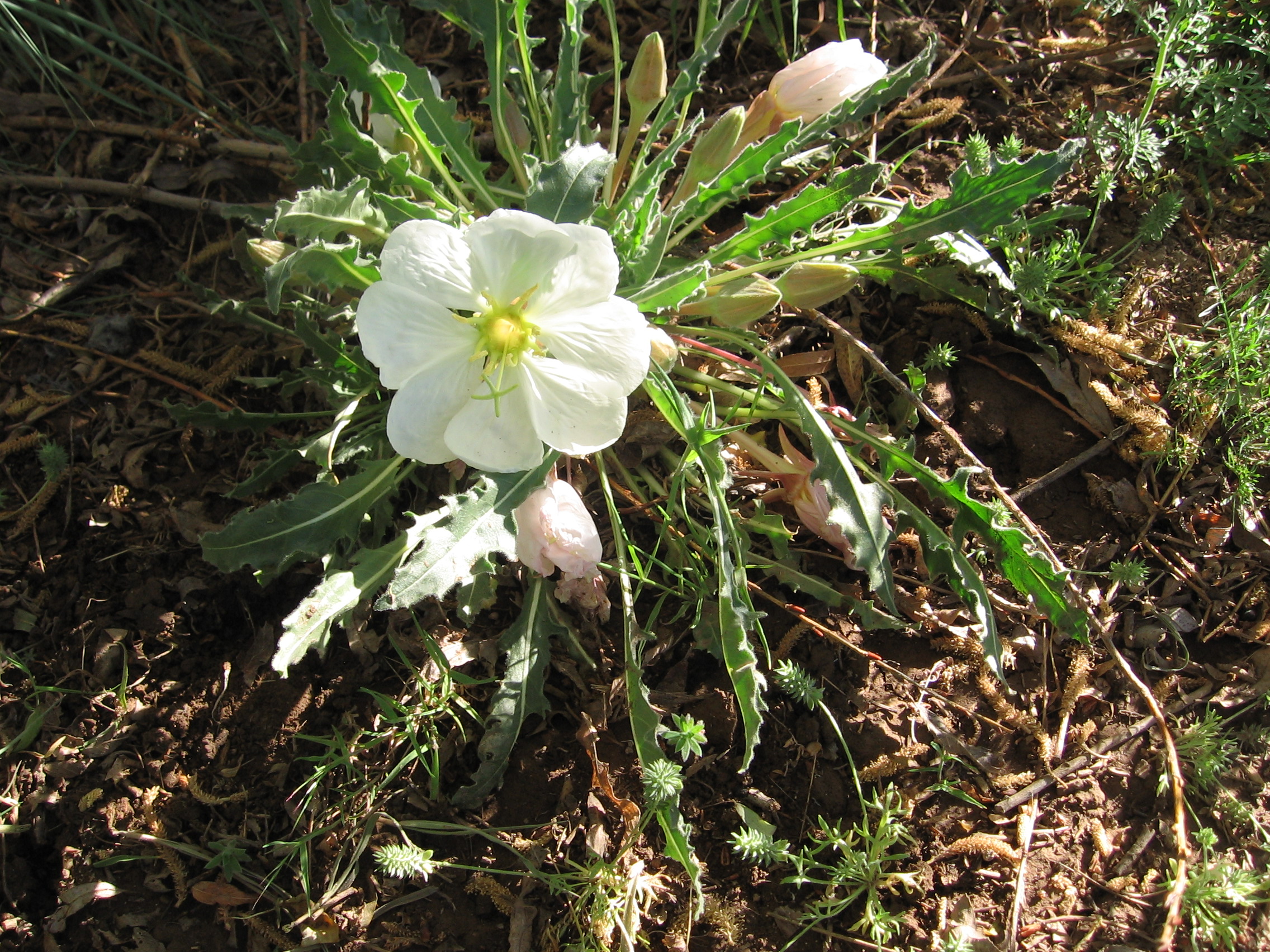
Evening primrose

IMG_1301

At the Idaho Native Plant Society sale, someone told me that most people don’t care for the evening primrose.  So, always rooting for the underdog, I bought four of them.  The leaves do lay on the ground in a weird way, and the blooms – which come out at night – last just one day, but I still think they are pretty.  Also to their credit, they don’t like much water.  The flowers on my plants are either white or a very pale pink.

Backyard pond

IMG_1305This is the small pond we put in several years ago.  Since we live in the desert, we wanted to provide a water source for birds and other critters.  The flowers around it are salvia (I think) which, as far as I know, are not native to Idaho.   My husband remembers, however, that we transferred the starter plants to our backyard from the mountains.  He has a better memory than I do.  Whatever their source, they are a great attraction for bees and butterflies.    Leslie

Camas

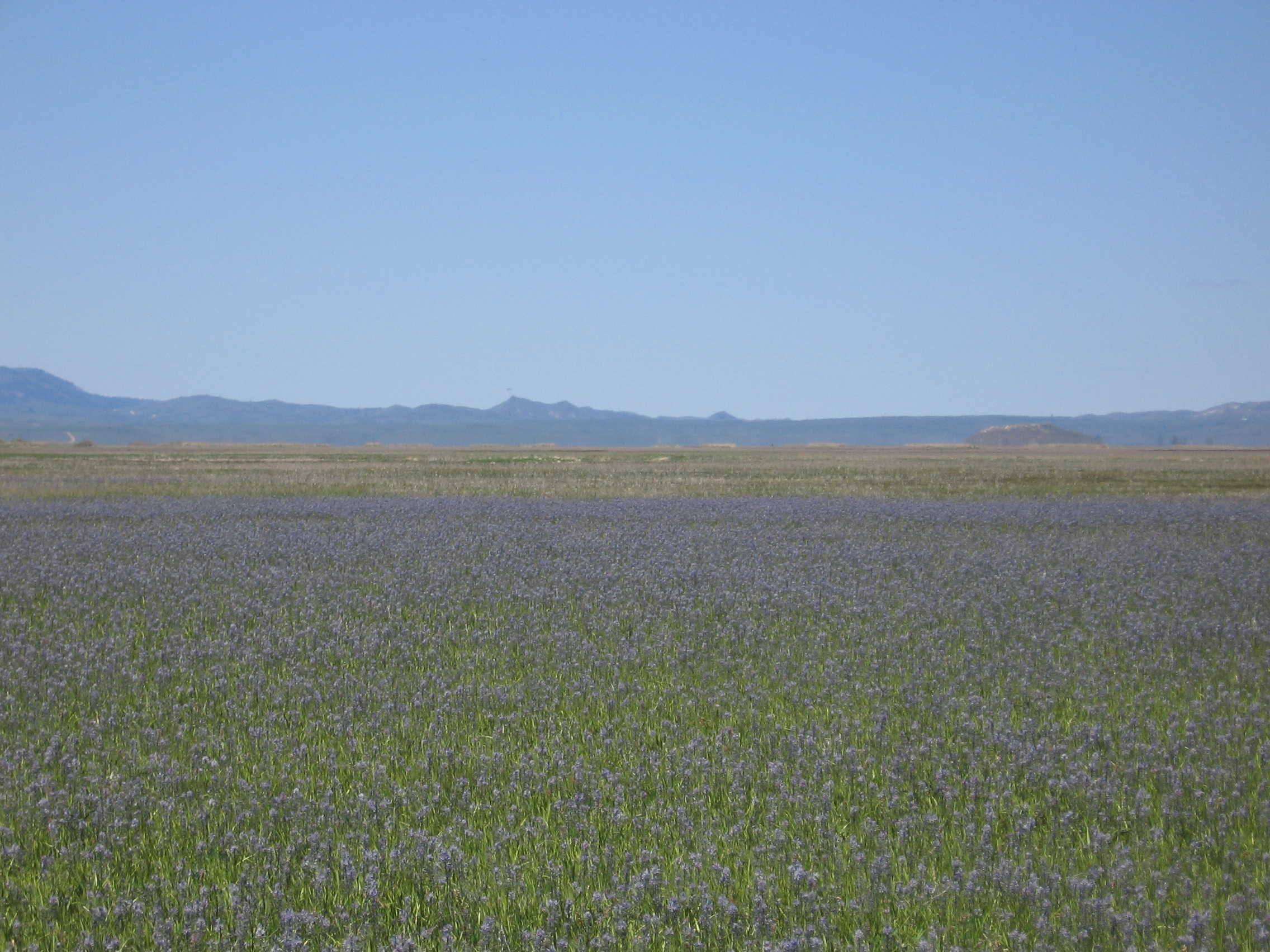
Camas is one of my favorite native plants of Idaho.  It is not only beautiful but its roots were a major food source for native people before white settlers arrived.  Here are two pictures.  One is from my yard where we have put a few camas plants.  They require a lot of water, so we are very careful with them.  The second picture is a field of camas on what is called the Camas Prairie.  My picture doesn’t really do justice to them.  From a distance, they look like a sea of blue.    Leslie

Camus in My Yard

Camas in My Yard

Camus -- Sea of Blue

Camas Prairie — “Sea of Blue”


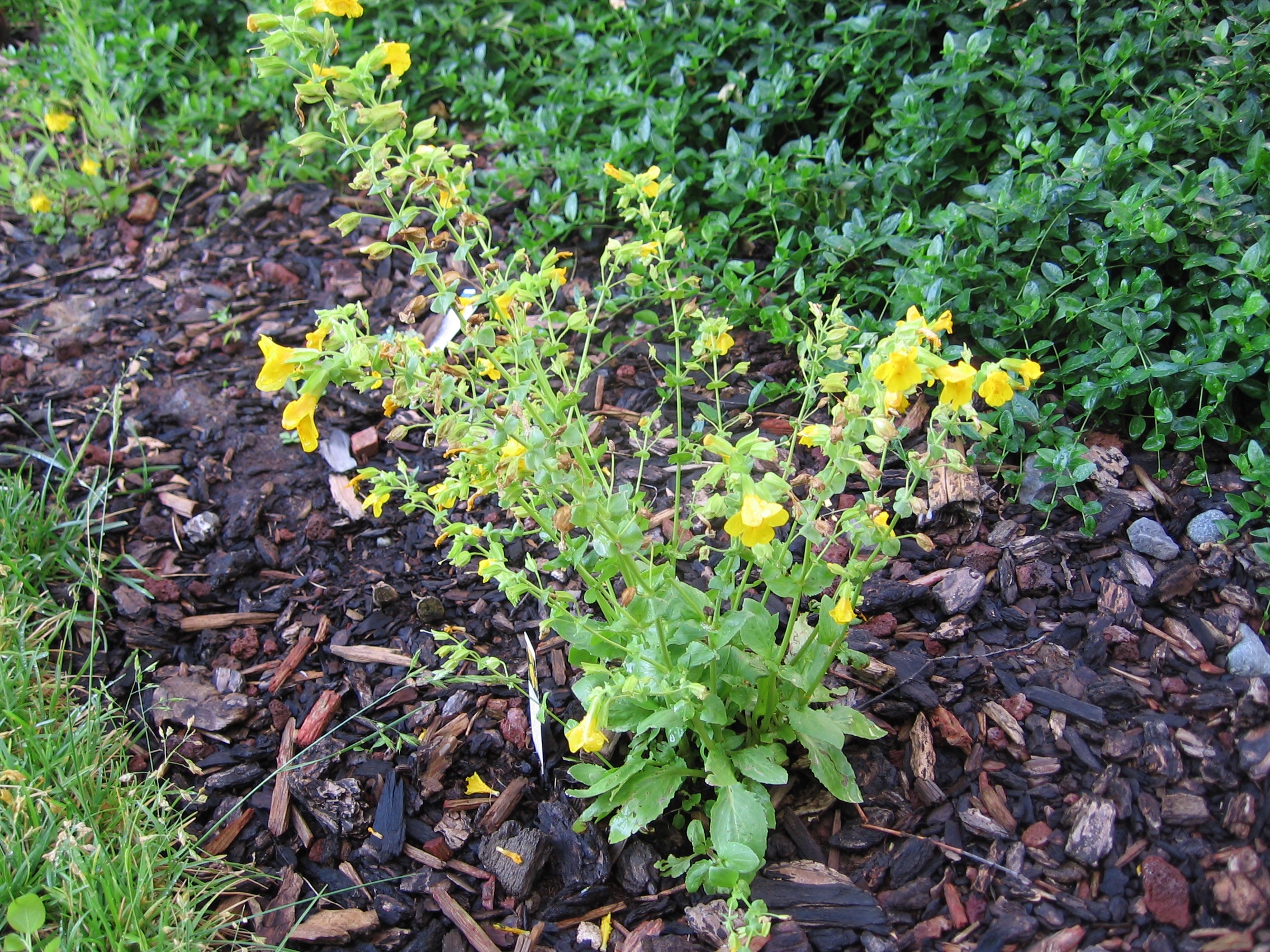
Yellow Monkey Flower in Idaho

This is a common wildflower that grows along the banks of streams and seeps in western North America.  Plants are supposed to grow to be one to three feet tall.  This one is in its first year.  It has bright yellow snap dragon-like flowers March through August.  LeslieIMG_1304