A Work in Progress

It was a long time in coming, but spring in Delaware is finally here and may change to summer very quickly. The trees are in full bloom as evidenced by the yellow-green “dust” that is covering every surface these days. I find myself prowling around the yard at least twice a day to see what has developed since the last time I looked–my neighbors probably think I’m pretty eccentric.

Unfortunately, my Little Joe-Pye up and died last August for some unknown reason, so I have replaced them with a couple new Sweet-scented Joe-Pye and some New York Ironweed.  I am looking forward to seeing how they turn out.  The hyssop I bought last fall is doing great so far, and the native honey suckle is about to bloom.  This is the plant I used to replace the horribly invasive native trumpet vine, which by the way, is still trying to put out a shoot here and there.

So here are some pictures I took recently to show the progression of my flowers. The spring ephemerals are busily blooming right now, and I will miss them when they are done!

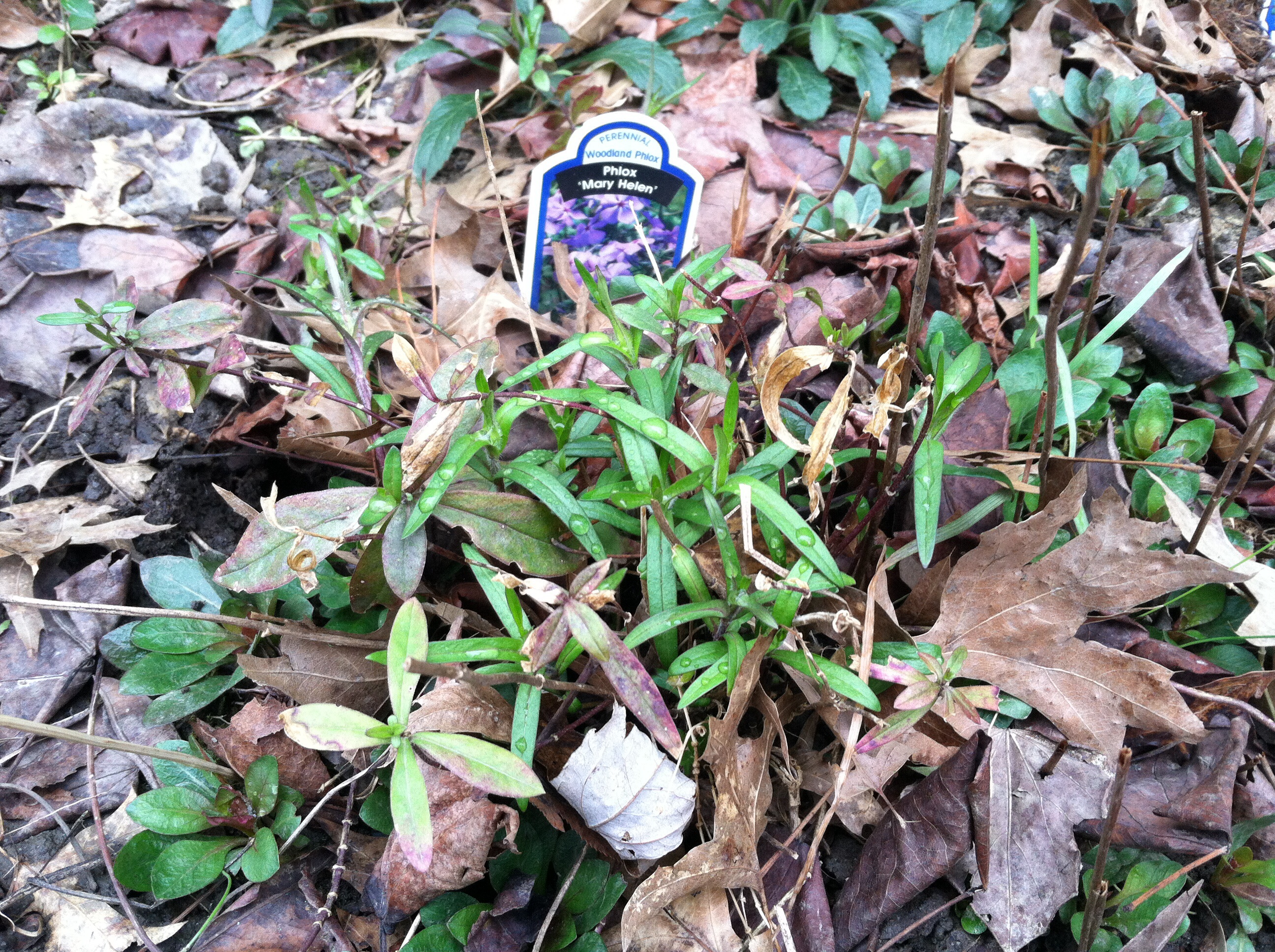
Woodland phlox

Woodland phlox

Foam flower tucked among the ferns

Foam flower tucked among the ferns

Wild geranium and Greek valerian

Wild geranium and Greek valerian

Jack-in-the-Pulpit--now I have two instead of one!

Jack-in-the-Pulpit–now I have two instead of one!

My shade garden with Virginia waterleaf, ferns, false Solomon Seal, and Green-and-Gold
My shade garden with Virginia waterleaf, ferns, false Solomon Seal, and Green-and-Gold
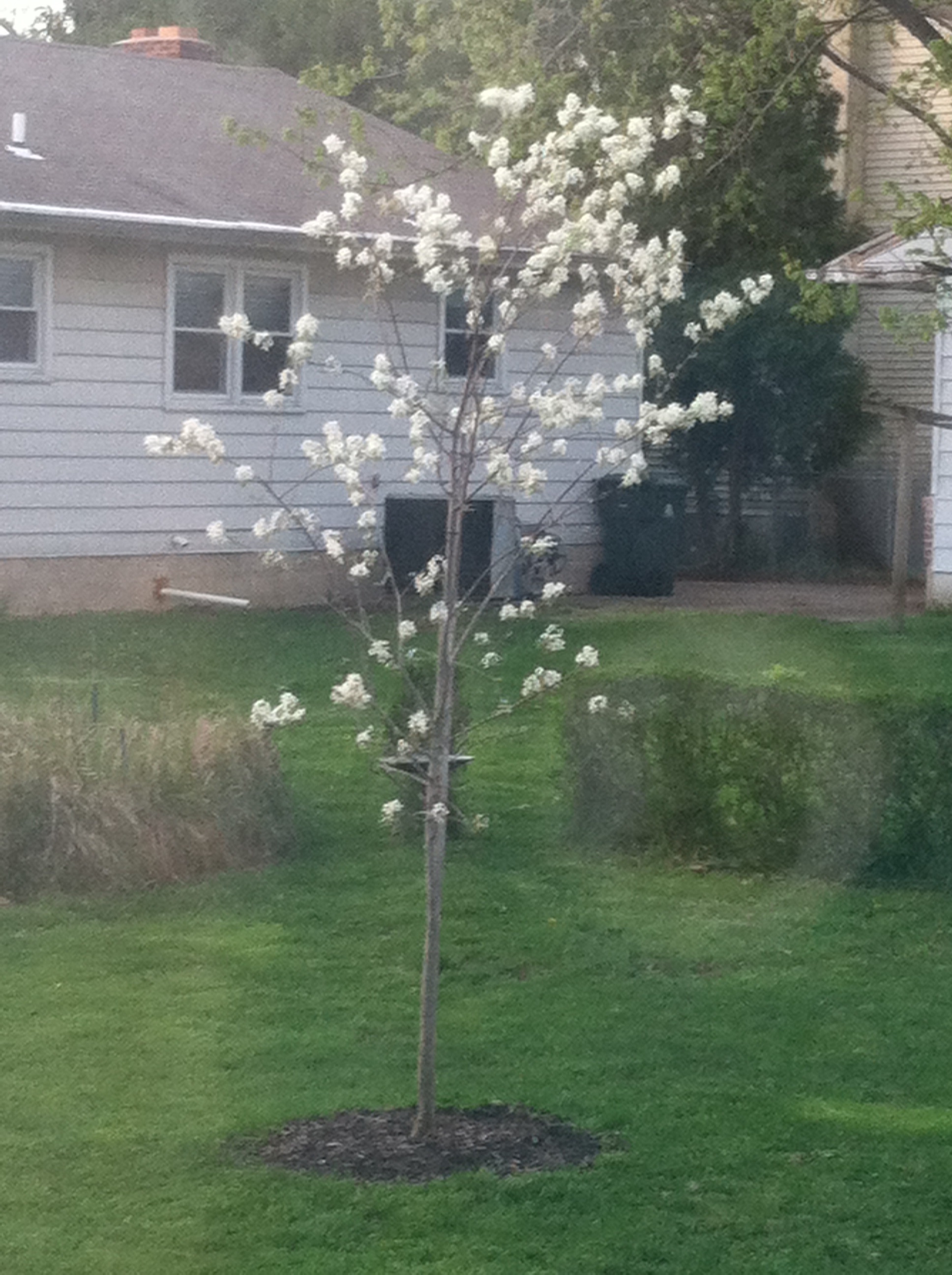
My serviceberry in all its glory!

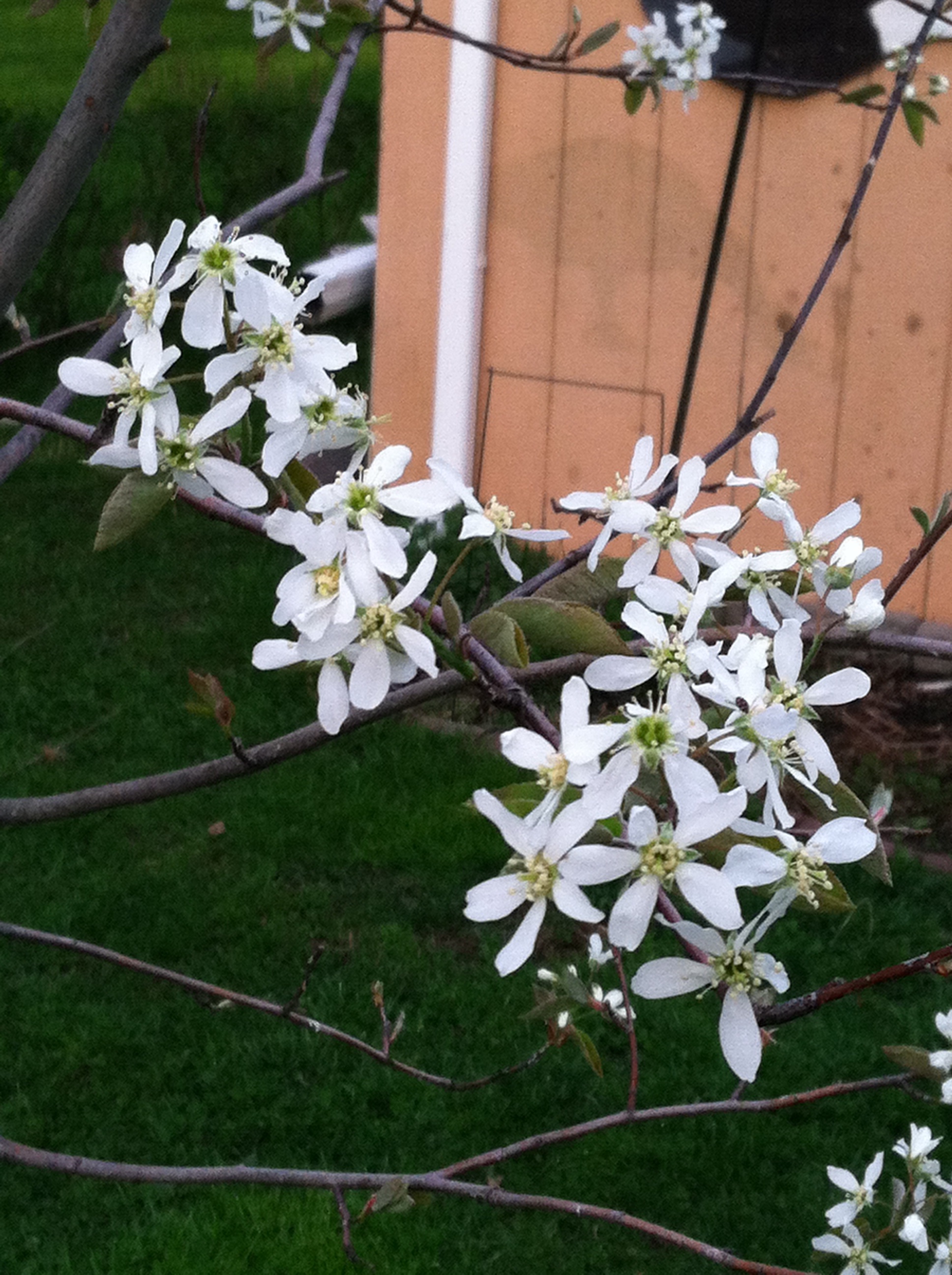
I got this serviceberry tree last year for a Mother’s Day gift, but by that time it had already bloomed and had set its fruit, so I never saw it in bloom.  Then last August, something decided to devour its leaves, and I feared it would not survive ( see My Serviceberry Saga).  I have been anxiously watching the buds on this tree since January, and finally this past Sunday, it bloomed! Here are a couple pictures I took to commemorate the occasion:

imageimage

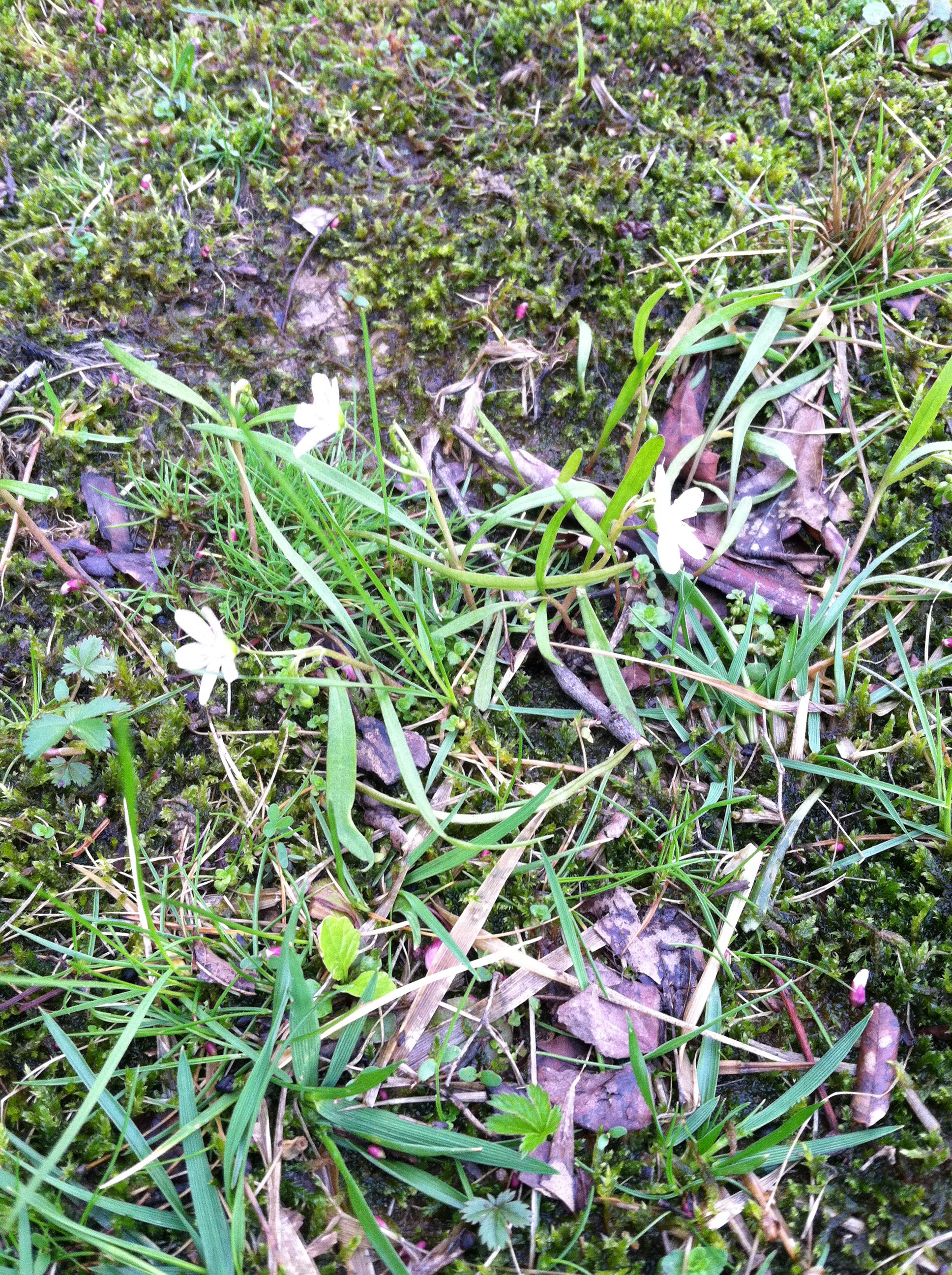
I also happened to be walking along the extremely wet side of my house after torrential rains the night before, and there was a spring beauty blooming in the grass!  I was amazed and delighted, because I had planted a few last spring that a friend had given me, but then took them out because they had Japanese stilt grass mixed in and I definitely didn’t want that.  It never occurred to me that one might have survived sans stilt grass. So here is a picture of my one and only spring beauty:

image

Early spring in Delaware

As with a good part of the east coast, spring has been very slow to come this year.  I have been anxiously watching my yard for signs of survival after our harsh winter, and now I’m beginning to see some progress.  Here are some pictures I took on April 9, 2015.

Serviceberry buds are getting close to opening

Serviceberry buds are getting close to opening

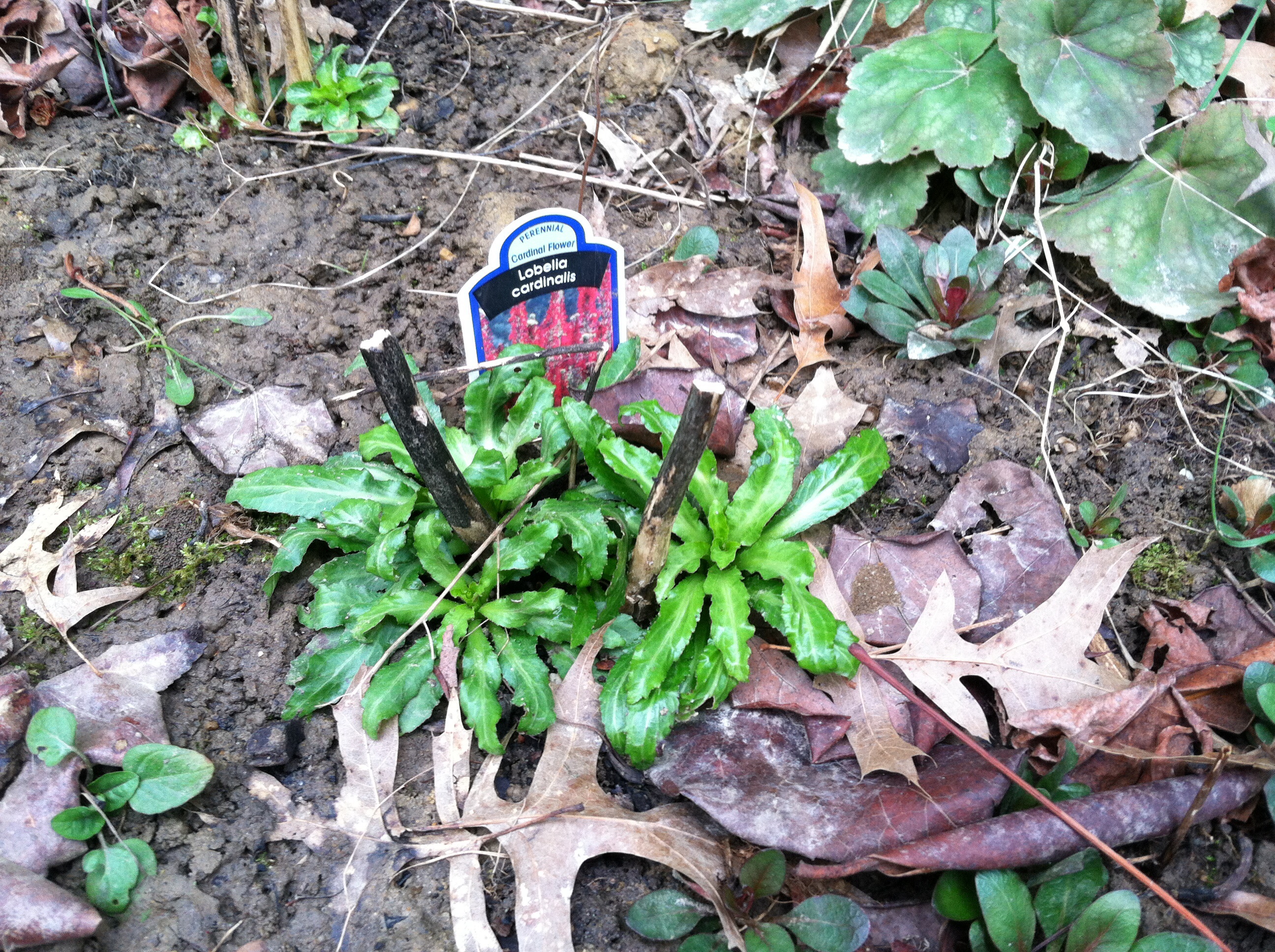
Cardinal flower and blue lobelia showing growth

Cardinal flower and blue lobelia showing growth

Blue lobelia

Blue lobelia

Greek valerian

Greek valerian

Dwarf goldenrod

Dwarf goldenrod

Bee balm coming back and spreading!

Bee balm coming back and spreading!

Native honeysuckle

Native honeysuckle

Hyssop

Hyssop

Why I Love My Sweetgum Tree!

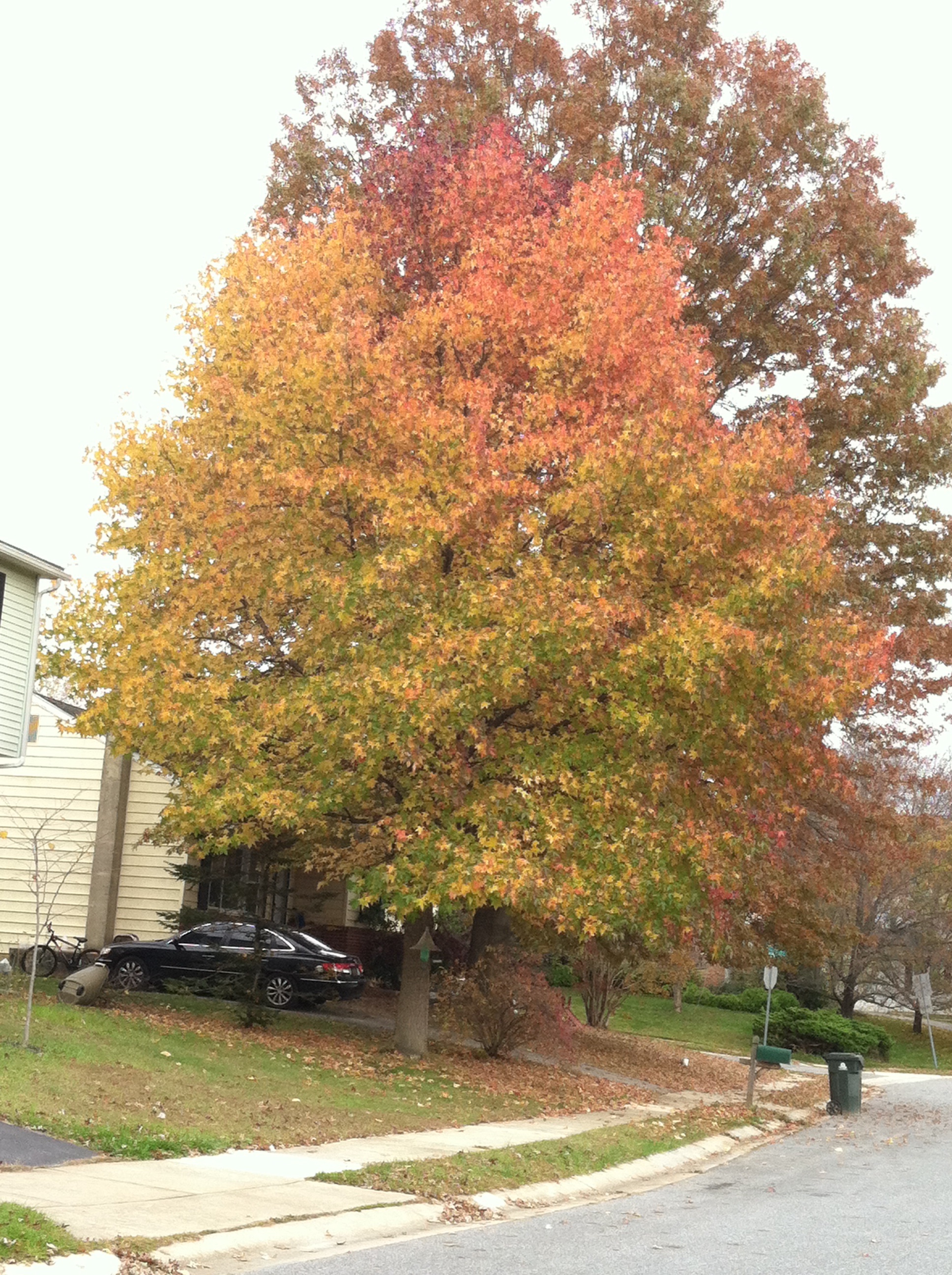
image

This picture just about says it all!  The native sweetgum is often maligned because of its prickly seed pods, and they can be a nuisance when they fall in late winter/early spring, but to me the beauty of this tree is worth the two hours of raking. Plus, it is riddled with the horizontal lines of holes from yellow-bellied sapsuckers!  We planted this tree almost 35 years ago, in the spring of 1980, right after we moved in. The folks gave us a one-foot-tall seedling from their yard, and I remember Dad telling Sam, in his dry, understated way, “I’d chop it down now, if I were you!”.

Some Beautiful Quotes I Found

It was a rainy day today, but I spent the afternoon at the Delaware Nature Society’s Ashland Nature Center. Here are some lovely quotes I found there that seemed so appropriate for us:

“When we try to pick out anything by itself, we find it hitched to everything else in the universe.” John Muir

“Look deep into nature, and then you will understand everything better.” Albert Einstein

“A weed is a plant whose virtue is not yet known.” Ralph Waldo Emerson

“One touch of nature makes the whole world kin.” William Shakespeare

And finally, this almost brought tears to my eyes:
“And the day came when the risk to remain tight in a bud was more painful than the risk it took to blossom.” Anais Nin

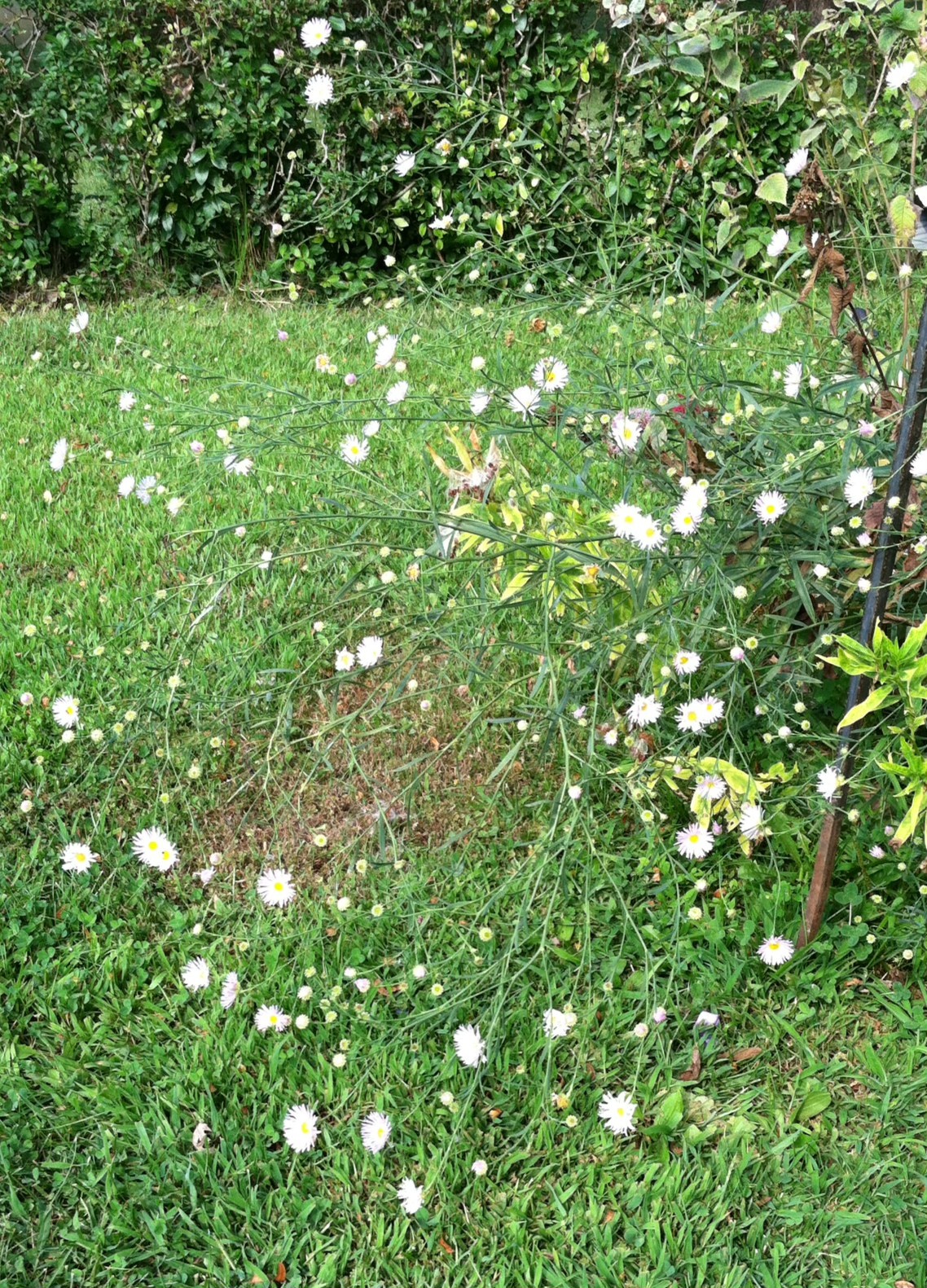
This native aster is very common in the woods around here.  I transplanted this one from the wooded yard of a friend, and amazingly, it took!

This native wood aster is very common in the woods around here. I transplanted this one from the wooded yard of a friend, and amazingly, it took!

It’s OK to Be a Late-Bloomer

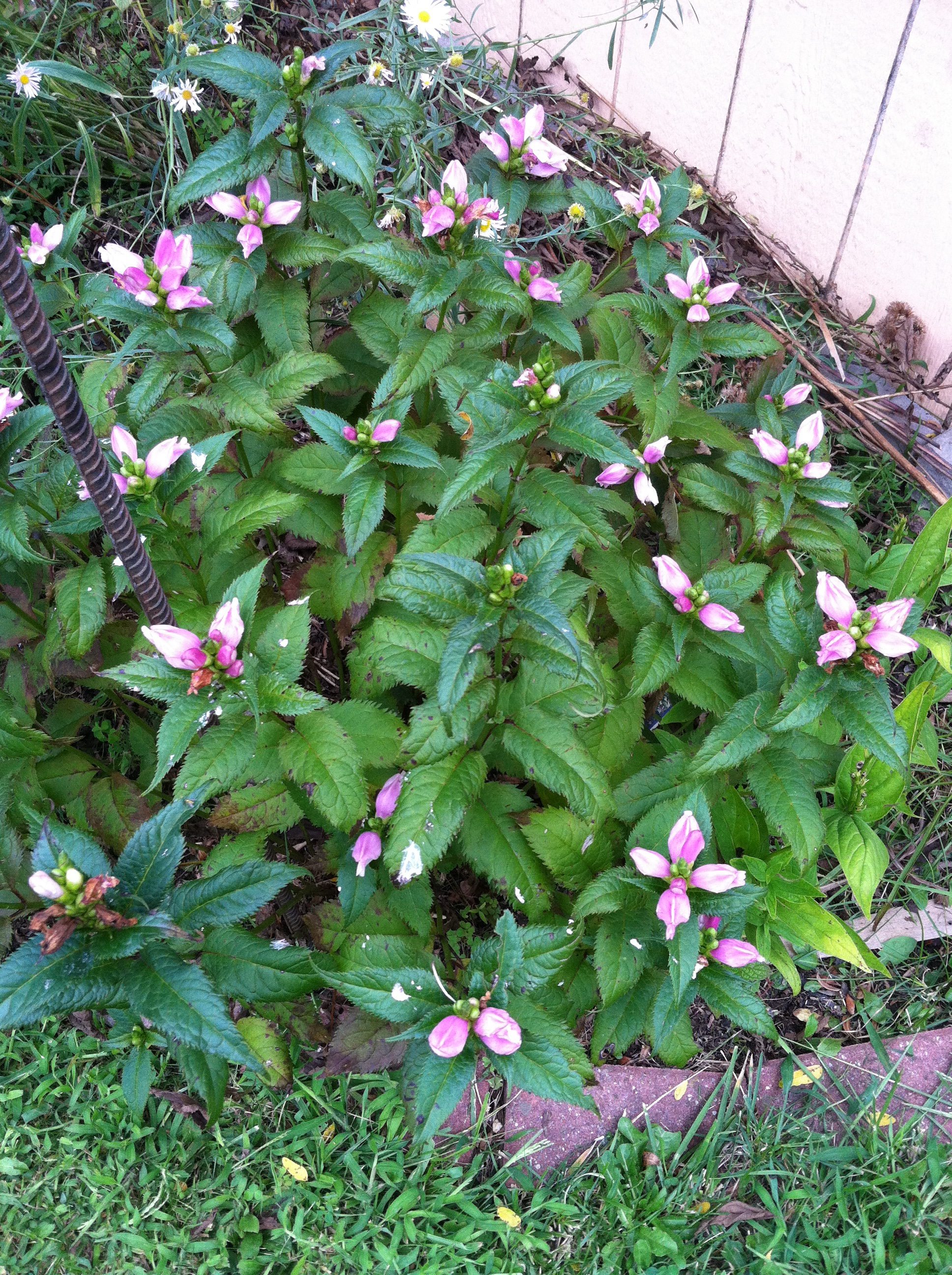
image

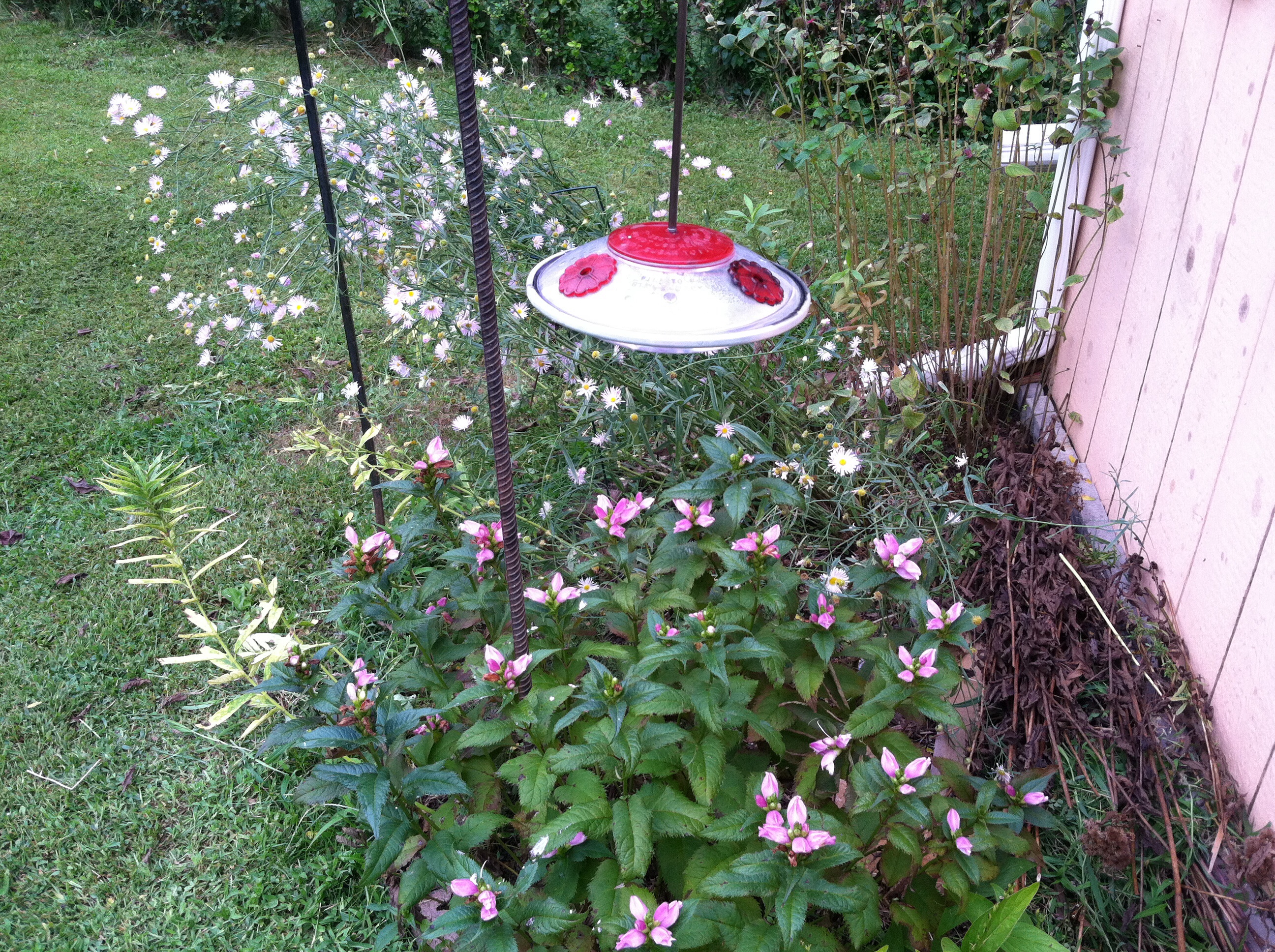
This is Pink Turtlehead, otherwise known as Chelone lyonii ‘Hot Lips’.  I really like this flower because it blooms in August and September after all the showy summer flowers are done and it’s supposed to be a larval host for the Baltimore Checkerspot butterfly.  Not that I have ever seen a Baltimore Checkerspot in my yard, but you never know when one might come calling!  The second picture shows it alongside my Boltonia Asteroides, which is still going strong. image

Jack-in-the-Pulpit Update

image

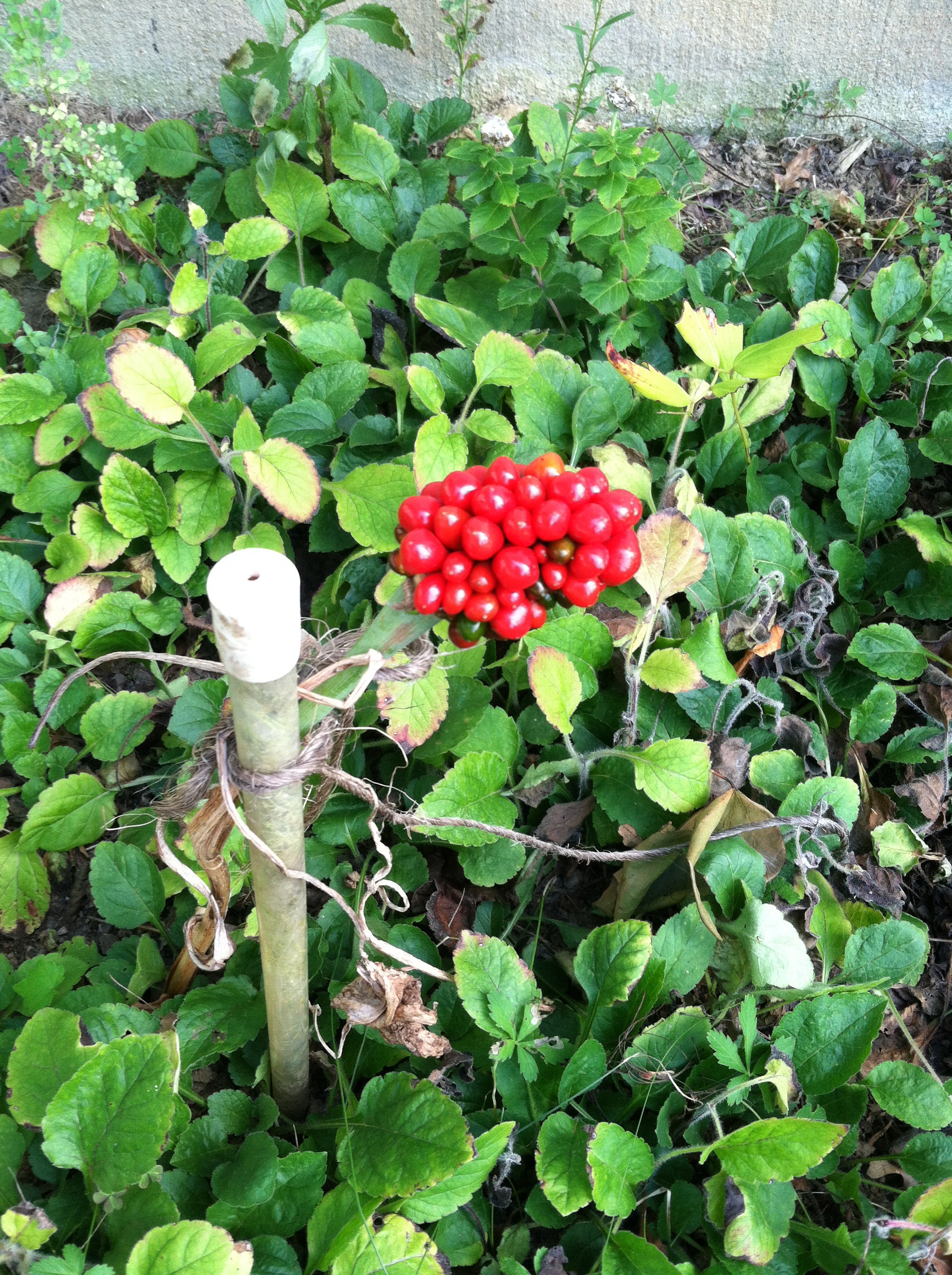
In a previous post this spring, I included a picture of a Jack-in-the-Pulpit with some berries that I hoped would ripen this summer.  Here they are!  The leaves have died away, but the berries continued to ripen–aren’t they a gorgeous red? In reading about this flower, I discovered that a plant is either male or female and can change sex from year to year, depending on growing conditions the previous summer.  This was a female flower.  Also, the females have two sets of leaves while the males have only one, an easy way to tell the sexes apart. If it is a hard summer and the corm is unable to store much energy, the plant will come back in the spring as a male.  Then if that male plant has a really good summer, it can come back as a female the next year.  All Jack-in-the-Pulpits start out as males for the first year or two to allow the corm to grow. Interesting, huh?

Mid-August in Delaware

My yard is so quiet now except for the clatter of the cicadas and the tiny twitter of the ruby-throated hummingbirds as they visit my feeders to tank up before their migration south.  The bluebird family visits less and less frequently to indulge in my mealworms, and I noticed today that Mr. and Mrs. BB’s feathers are starting to look a little bedraggled. I hope they’ll be back next year!

On a more cheerful note, some of my late-summer flowers are blooming!  Besides my hoary skullcap, the cardinal flowers (lobelia cardinalis) are a bright crimson, and my blue lobelia (lobelia siphilitica) is very popular with the bumblebees.

The cardinal flowers and blue lobelia are favorites of the bees

The cardinal flowers and blue lobelia are favorites of the bees. Look closely and you might see a bee on the blue lobelia!

Blue lobelia up close.  I think there's a bee in there!

Blue lobelia up close.

A new flower I tried this year, nodding onion, has decided to bloom after it sat all summer doing nothing and I had about given up on it!

Nodding onion.  It's hard to get a good picture because it keeps nodding!

Nodding onion. It’s hard to get a good picture because it keeps nodding!

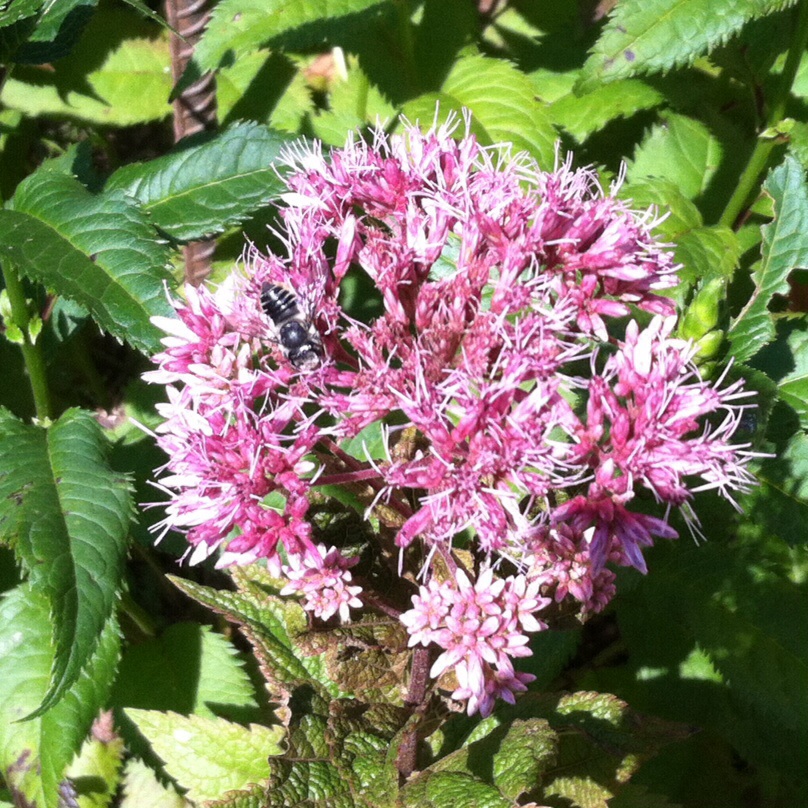
The bees are still all over the few remaining blossoms of my joe pye, which is pretty much finished for the year after a hot, dry spell.

Joe pye with bee.  This patch was a-buzz all summer.

Joe pye with bee. This patch was a-buzz all summer!

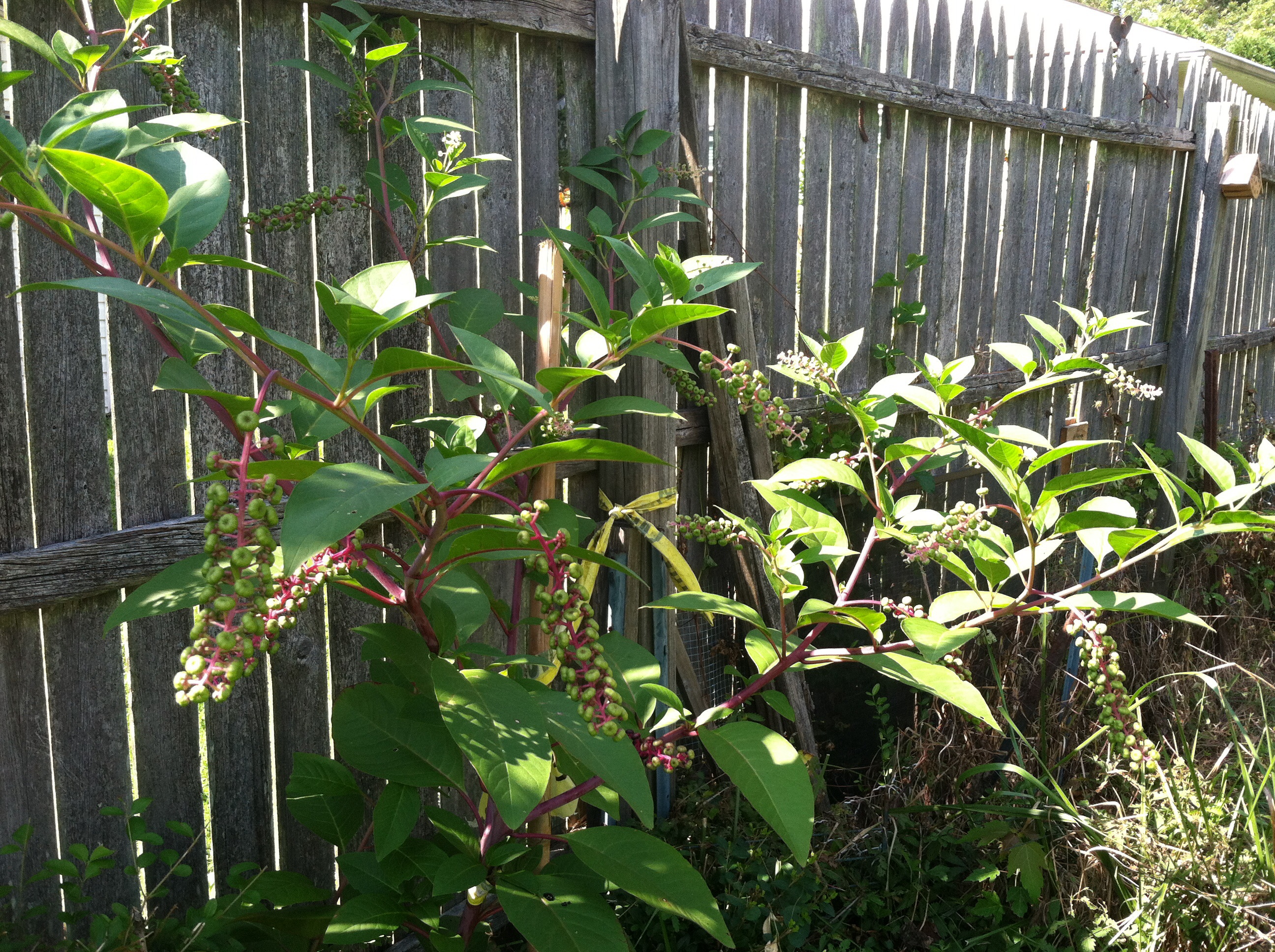
My pokeberry "tree".  Birds LOVE pokeberries, and I have been nurturing this one all summer. They're finally starting to ripen.

My pokeberry “tree”. Birds LOVE pokeberries, and I have been nurturing this one all summer. They’re finally starting to ripen.

I’m still waiting, somewhat impatiently, for my three varieties of goldenrod to bloom, but they just aren’t quite there yet.  A few more late-bloomers have yet to put on their show, and I’m really looking forward to seeing them–more later!

My Serviceberry Saga

I have wanted a serviceberry tree for several years, and finally we bought one this past April and had it planted professionally by the nursery. It was near the end of blossoming when we got it, but produced a lot of very tasty berries later on which the birds enjoyed immensely.
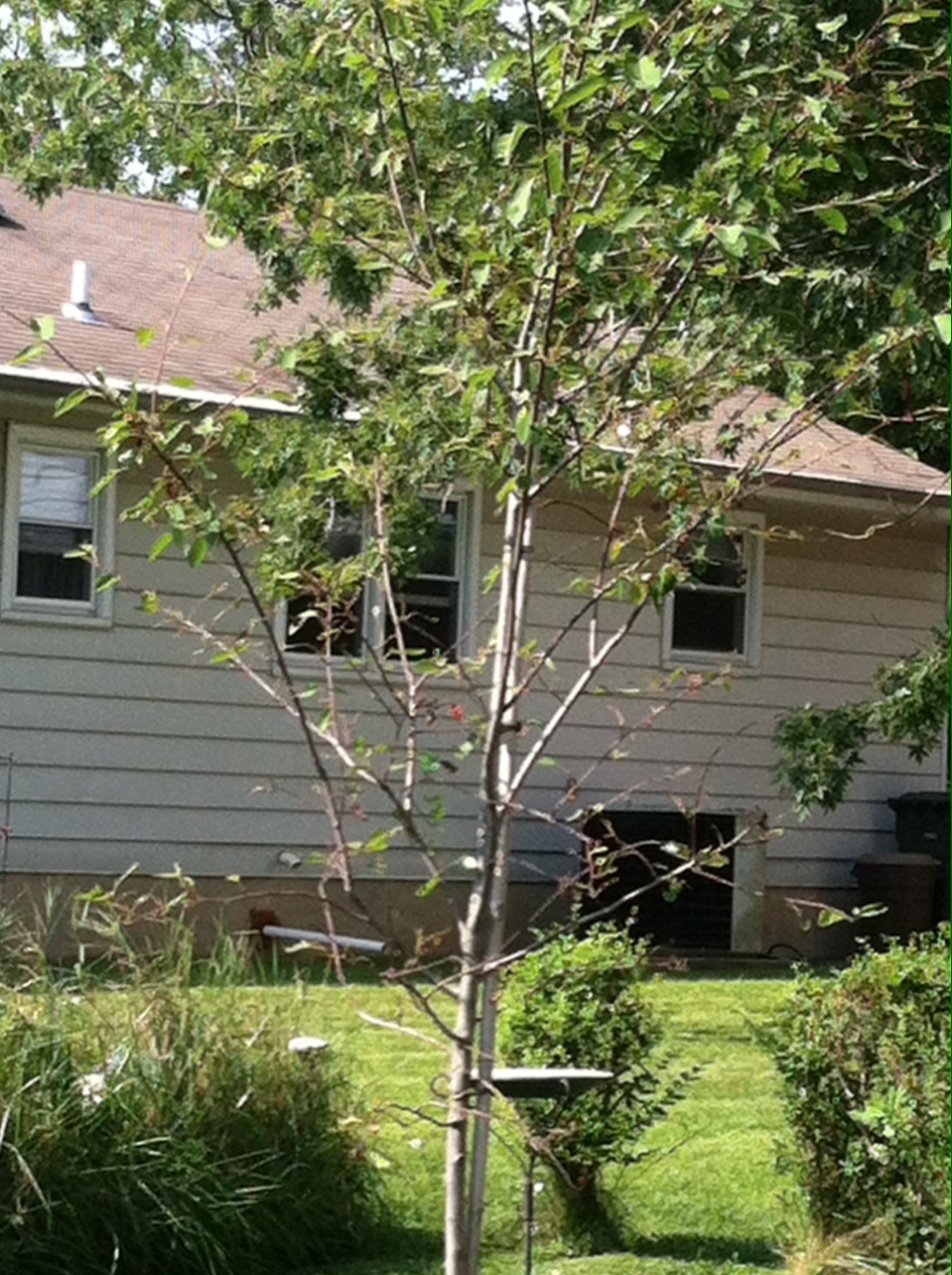
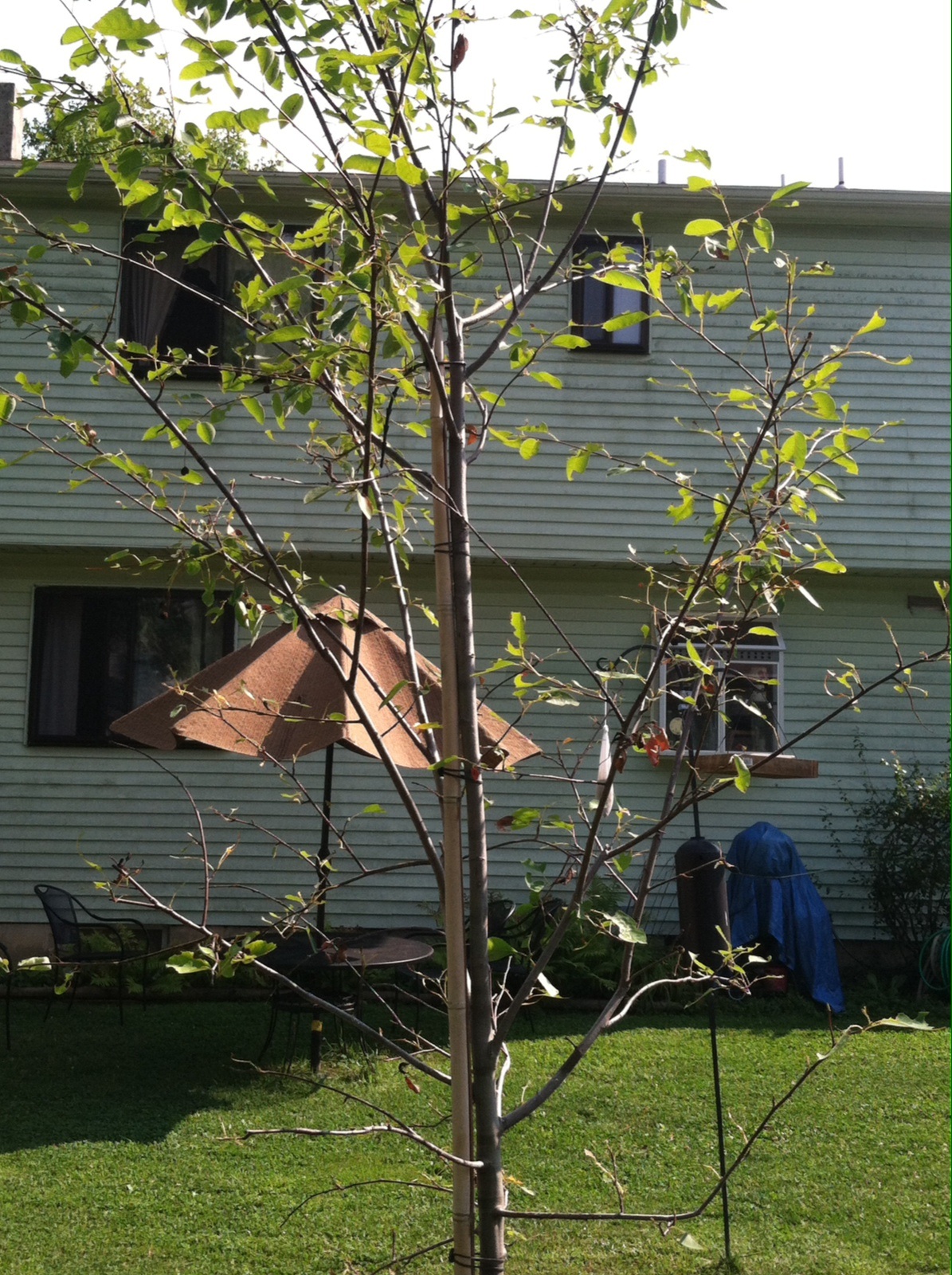
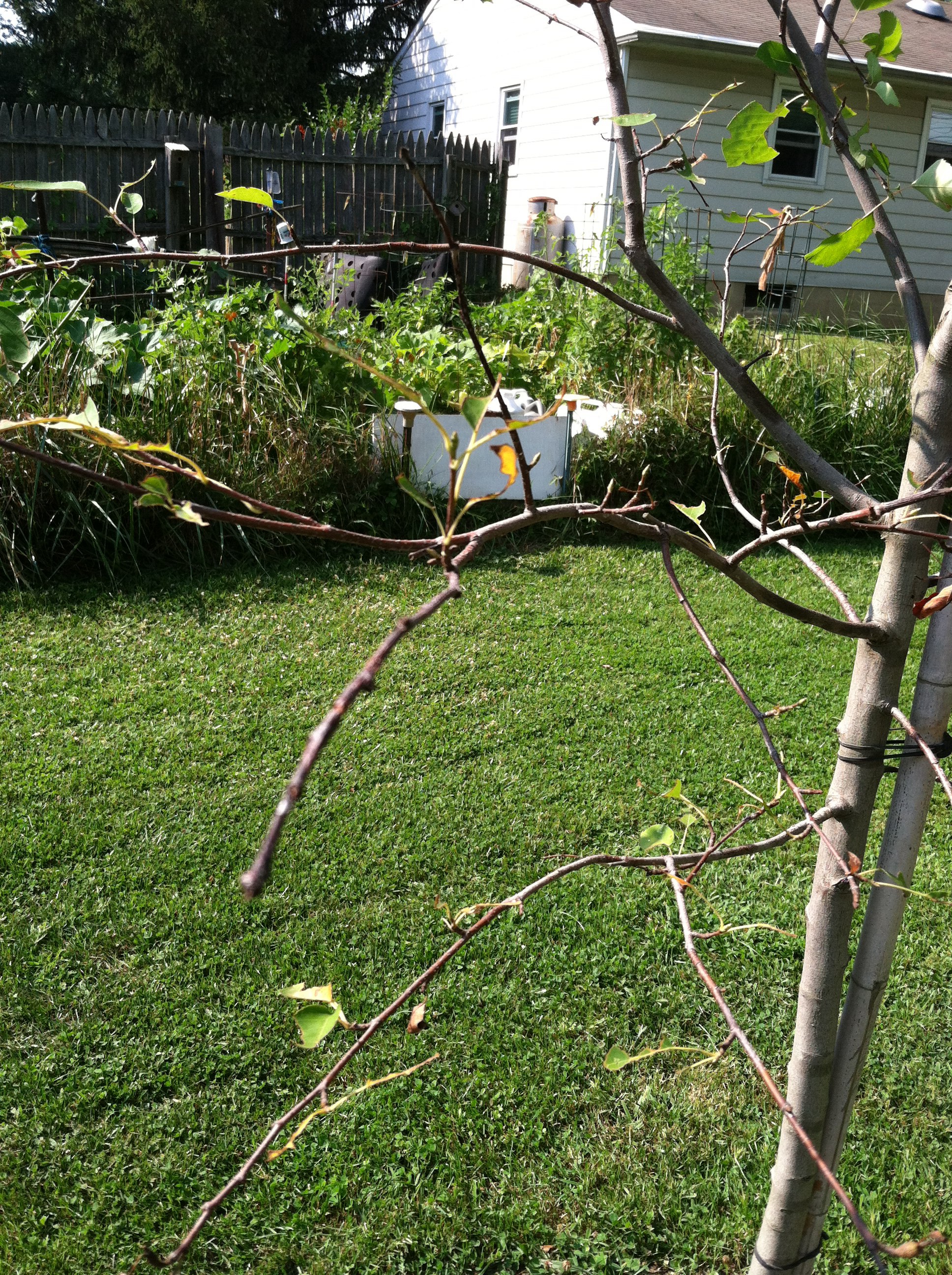
About three weeks ago, I noticed that something was eating the leaves at an alarming rate. The person at the nursery looked at my pictures and thought it might be some kind of caterpillar, though I hadn’t seen anything on the tree at all. She suggested we spray the tree with Neem oil, a topical, organic pesticide. So with some reservations, we sprayed the tree twice, one week apart, but without any effect. Today, the pest expert at the nursery called us and said he thinks it might be a leaf roller wasp, a native wasp that cuts out semi-circles and then rolls her larvae up in them, along with some pollen, to pupate. A larger tree isn’t affected very much by the leaf damage, but it can be significant in a smaller tree like ours. The expert isn’t entirely sure of his diagnosis, so I will be showing him more pictures, and in the meantime we will just hope for the best.

My serviceberry tree is showing some significant damage

My serviceberry tree is showing some significant damage

It's even more defoliated now!

It’s even more defoliated now!

A close-up of the half-moon cuts in the leaves

A close-up of the half-moon cuts in the leaves

Bare twigs with only the central leaf veins remaining!

Bare twigs with only the central leaf veins remaining!